Many businesses never reopen after a major flood, so every minute matters when water enters your facility. You need commercial water extraction services that remove standing water fast, limit structural damage, and reduce mold risk. The right team uses pumps, vacuums, and moisture checks to restore safe conditions, but not every response is equal, and the next steps can determine whether your operations recover cleanly or face lasting disruption.
Key Takeaways
- Commercial water extraction quickly removes standing water to limit structural damage and business downtime.
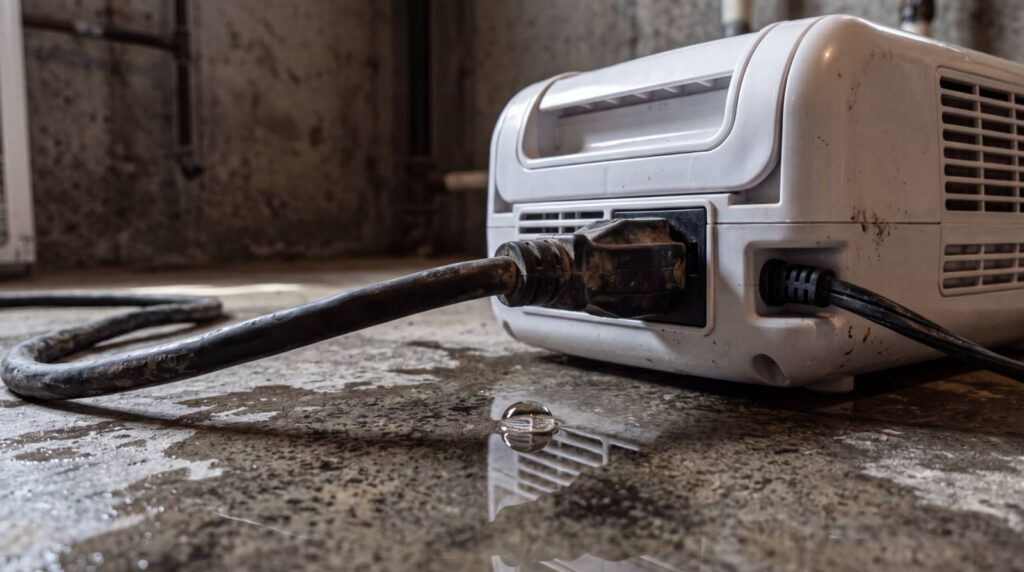
- Immediate service is needed for damp carpets, swollen baseboards, musty odors, and water near electrical equipment.
- The process includes site assessment, utility safety checks, targeted pumping, vacuuming, and documentation of affected areas.
- After extraction, rapid drying with air movers and dehumidifiers helps prevent mold, corrosion, and hidden moisture damage.
- Coordination, moisture monitoring, and final safety checks ensure the property is clean, dry, and ready to reopen.
What Commercial Water Extraction Includes
Commercial water extraction includes the rapid removal of standing water from business properties after leaks, burst pipes, or flooding.
You rely on commercial water extraction services to assess affected areas, set extraction equipment, and remove water from floors, carpets, and structural cavities.
Technicians use pumps, vacuums, and moisture meters to target pooled water and hidden saturation. They also document conditions, isolate affected zones, and coordinate with your team so operations stay organized.
You get a controlled process that limits disruption and prepares the space for drying and cleanup.
When you choose a qualified provider, you join a network of businesses that value prompt response, technical precision, and professional support after water intrusion.
Why Fast Water Removal Protects Your Business
Fast water removal limits moisture intrusion, which helps reduce structural damage to floors, walls, and support materials.
When you act quickly, you also lower the risk of secondary issues like mold and corrosion.
That faster response helps you restore operations sooner and get your business back online.
Reduces Structural Damage
When water sits in a building, it quickly starts weakening materials and spreading damage beyond the initial leak or flood. You need rapid extraction to limit that progression.
Water seeps into drywall, insulation, flooring, and framing, then swells, warps, and breaks down these components. It also reaches seams, fasteners, and subfloors, where hidden moisture can reduce load-bearing integrity.
Fast removal helps you protect finishes and keep the structure stable, so your team can trust the space. By pulling moisture out before it migrates deeper, you lower the risk of cracking, sagging, and rot.
That means you’re not just drying surfaces; you’re preserving the building’s core structure and keeping your business in a stronger position together.
Speeds Business Recovery
Rapid water removal does more than protect materials; it helps your business get back online sooner.
When you act fast, you cut downtime, limit contamination, and keep your team working with less disruption. You also reduce the chance that moisture spreads into hidden cavities and slows repairs.
Commercial water extraction services give you the speed and control you need after a leak or flood, so you can stay connected to your customers and crew.
- Remove standing water quickly
- Stabilize affected work areas
- Support faster drying and cleanup
- Resume operations with confidence
With the right response, you protect schedules, preserve productivity, and help your business rejoin the flow of daily operations sooner.
Signs You Need Water Extraction Now
How do you know water extraction can’t wait? You see standing water, damp carpets, swollen baseboards, or water creeping under equipment and shelving.
Your team may notice a musty odor, rising humidity, or discoloration on walls and ceilings. If your facility’s flooring feels soft, tiles lift, or metal fixtures show rust, moisture is already damaging the structure.
Electrical outlets, servers, inventory, and documents also face immediate risk when water keeps spreading. Even a slow leak can disrupt operations and create unsafe conditions for staff and customers.
When these signs appear, you need a commercial response now. Acting quickly helps you protect assets, reduce downtime, and keep your business in the group of properties that recover cleanly and confidently.
How Water Extraction Works on the Job
Once water is found, the extraction process starts with a site assessment to identify the source, affected materials, and safety risks. You’ll work with a team that maps the wet zone, isolates impacted areas, and confirms what can stay or must be removed.
That keeps your operation aligned and helps your staff feel supported through a controlled recovery process.
- Stop active intrusion and secure utilities.
- Remove standing water from floors and cavities.
- Monitor moisture in structural materials.
- Document conditions for restoration planning.
You’ll then see the team verify dryness levels and track progress against target readings.
This step reduces delays, limits secondary damage, and helps your business return to normal faster with confidence.
Tools Used to Remove Water Fast
High-capacity pumps, wet vacuums, and portable extractors move water out of your facility quickly, while air movers and dehumidifiers help control lingering moisture after the initial removal.
You’ll usually see submersible pumps handle deep standing water, while truck-mounted extractors pull larger volumes through hoses with strong suction.
For tight spaces, crew members use compact wet vacs and weighted extraction heads to lift water from carpet, tile, and hard-to-reach edges.
Moisture meters guide tool selection, so you get the right equipment for the job, not guesswork.
When your team acts fast with the proper tools, you reduce downtime, protect materials, and keep your operations on track with the support of a trained recovery crew.
Drying Steps After Water Removal
After standing water is removed, you need to dry the affected areas quickly to stop moisture from spreading into walls, subfloors, insulation, and structural materials.
You should position air movers to create crossflow, then run dehumidifiers to pull vapor from the air. Open access points so wet cavities can breathe, and monitor moisture with meters until readings stabilize.
You’ll work best when your crew follows a set sequence and checks each zone often.
- Map wet areas and isolate them.
- Set airflow to move across surfaces.
- Dehumidify to maintain dry conditions.
- Verify progress with moisture readings.
This process helps you keep operations aligned, reduce downtime, and restore a clean, controlled environment your team can trust.
Risks That Follow Business Flooding
Even after standing water is removed and drying begins, business flooding can still create serious risks that affect safety, operations, and property.
You may face hidden moisture in walls, flooring, and insulation, which can support microbial growth and weaken materials.
Electrical systems can stay compromised, creating shock and fire hazards if you restore power too soon.
Contaminated water can leave behind residues that affect air quality, inventory, and equipment performance.
Structural components may warp, swell, or lose load-bearing strength, which can interrupt operations and increase repair costs.
If you stay alert to these risks, you protect your team and keep recovery on track.
Quick evaluation and ongoing monitoring help you reduce downtime, preserve assets, and return to business with confidence.
How to Choose a Water Extraction Team
When you choose a water extraction team, you should prioritize response time because every minute affects damage progression and recovery.
You should also verify their equipment expertise, including the capacity and type of extraction and drying systems they use. A qualified team can mobilize quickly and match the tools to your facility’s specific conditions.
Response Time
Response time is one of the most important factors when you choose a water extraction team, because every minute of delay can increase damage and slow recovery.
You need a provider that answers quickly, dispatches crews promptly, and arrives when they say they will. Fast action helps you protect inventory, limit downtime, and keep your team moving together through a stressful event.
- Confirm 24/7 availability
- Ask for estimated arrival times
- Verify local service coverage
- Look for clear emergency communication
When you compare options, focus on teams that track calls, give updates, and treat urgency as standard practice.
You’ll build confidence knowing your business isn’t waiting while water keeps spreading.
Equipment Expertise
Equipment expertise matters because the right water extraction team uses the proper pumps, vacuums, dehumidifiers, and moisture monitoring tools to remove water efficiently and verify that affected areas are truly dry.
You should expect technicians to match equipment to floor type, saturation level, and access constraints, then adjust settings as conditions change. That precision reduces downtime, protects assets, and limits hidden damage.
Ask whether the team maintains industrial-grade tools, trains staff on calibration and safety, and documents moisture readings throughout the job.
When you choose a crew with proven technical skill, you’re joining a standard of disciplined recovery. You’ll get clear communication, faster stabilization, and a smoother path back to normal operations, with fewer surprises and stronger confidence in the result.
What Affects Water Extraction Costs?
Water extraction costs usually depend on how much water is present, how far it has spread, and how quickly you need service. You’ll also see changes based on building size, access limits, and the equipment your crew must deploy.
When you work with a team that understands commercial response, you can expect pricing to reflect the real scope, not guesswork.
- Standing water depth
- Affected square footage
- Drying and monitoring needs
- After-hours or emergency dispatch
If water reached multiple rooms, costs rise because technicians must move more material and verify removal across each zone. Moisture in carpets, walls, or subflooring can add labor and machine time.
Clear communication helps you stay aligned with your provider and avoid surprises.
When It’s Safe to Reopen
Before you reopen, confirm the site is dry, clean, and safe for normal use. You should verify that moisture readings in floors, walls, and hidden cavities match acceptable levels, not just surface dryness.
Check for structural damage, warped materials, and slipping hazards before staff or customers return. Make sure electrical systems, HVAC components, and data equipment have been inspected and cleared by qualified technicians.
You’ll also want to confirm that sanitation is complete, since standing water can leave contaminants behind. Document every test result so your team can reopen with confidence and shared accountability.
When you coordinate with your restoration provider, you protect operations, reduce liability, and support a smooth return to business. That final check helps everyone feel ready, safe, and part of the recovery.
Frequently Asked Questions
Do I Need to Contact My Insurance Before Extraction Begins?
Yes, you should contact your insurance provider before extraction begins if possible. You’ll protect your claim, document damage properly, and confirm coverage. If water’s actively spreading, start extraction immediately and notify them right away.
Can Water Extraction Happen After Business Hours?
Yes—you can schedule it after business hours, because floods rarely respect your closing time. You’ll get faster removal, less disruption, and cleaner restart conditions. Many teams work overnight to keep your staff included, informed, and ready.
How Long Does a Commercial Extraction Service Usually Take?
It usually takes a few hours, though you’ll need longer for heavy flooding or hidden moisture. You’ll get faster results when you clear access, document damage, and let technicians use high-capacity pumps and vacuums.
Will Water Extraction Interrupt My Employees and Customers?
Yes, it can, but you’ll often keep it minimal. Like a well-run relay, you’ll coordinate access, isolate affected areas, and use targeted equipment so your employees and customers stay comfortable and included throughout.
Can Extraction Save Documents and Electronics?
Yes, you can often save documents and electronics if you act quickly. You’ll reduce saturation, limit corrosion, and speed drying. Your team can protect records, recover data, and restore equipment before damage becomes permanent.
Wrap-Up
When water enters your business, it’s like a storm slipping through the front door and setting up camp in every corner. You need fast extraction to push it out before it weakens floors, breeds mold, and stalls operations. With the right team and equipment, you can clear the flood, inspect the damage, and reopen with confidence. Don’t wait for hidden moisture to spread; act quickly, restore stability, and protect your recovery.