
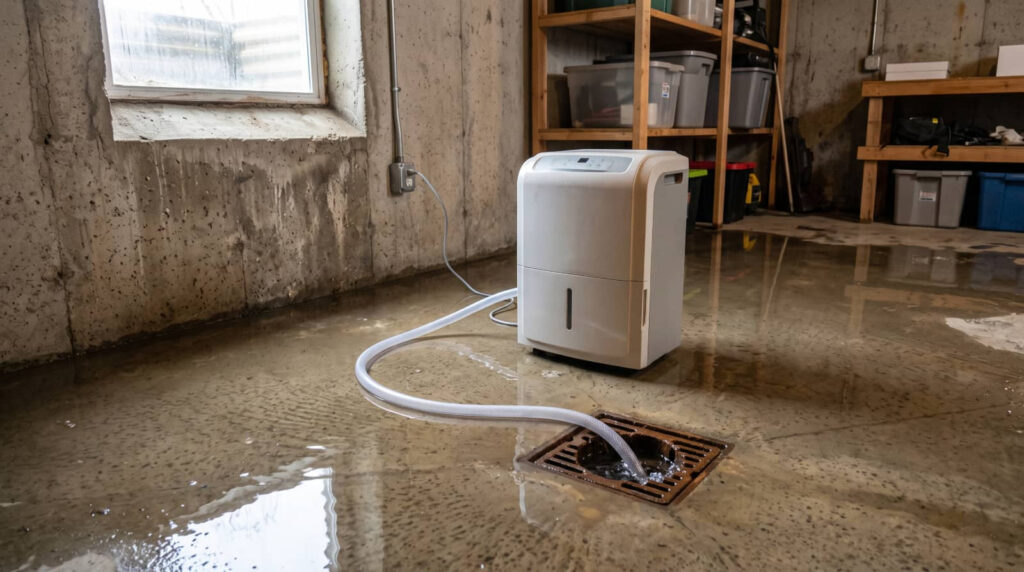
When an appliance leaks in a commercial property, you need to stop the source, shut off power if necessary, and begin removing water right away. Water Extraction After Appliance Leak should focus on clearing standing water from floors, edges, cabinets, and tight spaces before it spreads further. Don’t overlook baseboards or hidden pockets of moisture, because trapped water can quickly increase the damage and leave you with a much larger cleanup than expected.
Key Takeaways
- Shut off the appliance or home water supply immediately to stop further leaking.
- Remove standing water quickly using towels, a wet/dry vacuum, or a pump.
- Dry cabinets, baseboards, and hidden areas with airflow and a dehumidifier.
- Check for hidden moisture using musty odors, soft flooring, swollen trim, or cool damp spots.
- Call a professional if moisture persists or damage is widespread to prevent mold and structural issues.
What to Do Right After an Appliance Leak?
Right after an appliance leak, you should stop the water source if you can, unplug the appliance if it’s safe to do so, and begin water extraction immediately. You’ll protect floors, cabinets, and subflooring when you act fast.
Use towels, a wet/dry vacuum, or a pump to remove standing water, then move damp items out of the area. Open nearby doors and windows for airflow if conditions allow.
Check hidden spaces under toe kicks and behind appliances, because moisture spreads quickly. Document the damage for your records.
For water extraction after an appliance leak, steady, early cleanup helps limit swelling, staining, and secondary deterioration. You’re not handling this alone; quick, methodical action gives your home the best chance at recovery.
How to Stop the Leak and Stay Safe
First, shut off the appliance’s water supply at the nearest valve to stop additional leakage.
Then disconnect its power at the breaker or unplug it if you can do so without contact with standing water.
Keep your footing dry and stable, and avoid both slip and shock hazards while you work.
Shut Off Water Supply
If water is still flowing, shut off the appliance’s supply valve immediately to stop the leak and limit damage. Turn the handle clockwise until it stops, and don’t force a stuck valve.
If the valve won’t close, use the home’s main water shutoff so you can isolate the source quickly. Keep a towel or shallow pan nearby to catch residual drips while you work.
Check the floor, cabinet base, and hose connections for active spraying or seepage. If you’re in a shared building, let a neighbor or building manager know so the area stays safe.
After the flow stops, confirm the leak has slowed before you start water extraction. Acting fast helps protect your space, your equipment, and everyone who uses it.
Disconnect Appliance Power
Unplug the appliance or switch off its dedicated circuit breaker before you touch standing water, wet flooring, or metal parts.
Confirm the unit is de-energized by checking that displays, lights, and motors are off. If the cord is reachable, pull the plug by the body, not the cable. If the outlet is hidden behind the appliance, use the breaker instead of moving the unit while it’s live.
Label the breaker if your panel supports it, so your team can restore service correctly later. Keep the power off until you’ve stopped the leak and removed moisture around the appliance. That simple step protects you and helps your cleanup stay controlled, fast, and coordinated.
If you’re working with others, tell them the circuit is off before anyone resumes appliance checks or water extraction.
Avoid Slip And Shock
With the appliance powered down, keep everyone away from pooled water and wet flooring so no one slips or contacts energized parts.
Put on rubber-soled boots and gloves, then mark the area with towels, cones, or tape. If water is near outlets, switches, or a cord, don’t step in it; shut off the breaker before you move closer.
Stop the source by closing the supply valve, then check hoses, fittings, and drain lines for visible failure. If you can reach the leak without crossing wet ground, tighten a loose connection or isolate the appliance.
Keep a dry path for cleanup tools and stay in touch with anyone helping you. Your crew’s safety comes first, and careful control now prevents shock, falls, and wider damage.
How Water Extraction Prevents Bigger Damage
Rapid water extraction stops moisture from spreading into flooring, baseboards, and cabinets, which helps limit structural damage after an appliance leak.
You protect subfloors, drywall edges, and trim when you act before water wicks into hidden cavities. Fast extraction also lowers humidity near the source, so materials don’t stay damp long enough for swelling, warping, or adhesive failure to start.
You reduce the chance of corrosion on fasteners and metal fixtures, and you keep insulation from holding water against framing. That means you’re not just cleaning up; you’re preserving the parts of your home that hold everything together.
When you work quickly and methodically, you give your space a better shot at staying stable, dry, and ready for the next step.
Remove Standing Water From Floors Fast
Start by removing standing water from the floor as soon as you find the leak. Shut off the appliance, then use towels, a wet vacuum, or a pump to lift water quickly before it spreads.
Work from the outer edge toward the center so you don’t push water into seams or under flooring. Keep your path clear and move in steady passes for full contact. Empty your tools often so suction stays strong.
If you’re working with a crew, divide the area into sections so everyone knows where to pull water next. Fast extraction lowers slip risk and limits floor saturation. You’re protecting the space and keeping your recovery team aligned.
When the surface looks dry, check for missed puddles and repeat the process if needed.
Dry Cabinets, Baseboards, and Hidden Spaces
After the floor is clear, pull moisture from cabinets, baseboards, and hidden voids before it wicks deeper into wood and drywall.
Open cabinet doors, remove contents, and use a focused air mover to push dry air across interior panels. Lift toe kicks, if accessible, so you can reach trapped pockets behind the base.
Run a dehumidifier nearby to lower ambient humidity and speed evaporation. Along baseboards, wipe seams, then direct airflow along the bottom edge to clear water from joints and trim.
Check under appliances, behind drawers, and inside wall cavities only where access panels exist.
Keep the area clear so you and your crew can work efficiently, stay organized, and protect the space you’re restoring together.
Signs Moisture Is Still Trapped Inside
If moisture is still trapped, you’ll usually see cool, damp spots, lingering musty odor, or cabinetry and trim that feel soft or swell at the edges.
You may also notice darkened seams, peeling finish, or paint that bubbles after drying.
Press lightly on flooring near the leak; a spongy feel often means water remains below the surface.
Check joints, toe kicks, and wall bases for repeated condensation or fresh staining.
Listen for creaks that sound different in affected areas, since swollen materials move unevenly.
If you smell mildew again after ventilation, hidden moisture is likely still present.
Stay alert to these signs so you can protect your space and keep your home on track together.
When to Call a Water Extraction Pro
If you see visible structural damage, such as warped flooring, swollen cabinets, or sagging drywall, you should call a water extraction pro right away.
You should also get help if moisture signs keep returning after your cleanup, because trapped water can spread damage behind surfaces.
A pro can assess hidden saturation and use controlled extraction to limit further loss.
Visible Structural Damage
When you see visible structural damage, call a water extraction pro right away, because warped flooring, swollen cabinets, or sagging materials can signal deeper water intrusion. You should treat these changes as a structural warning, not a cosmetic issue.
Inspect baseboards, subfloor edges, cabinet frames, and ceiling lines for bowing, separation, or collapse. If surfaces feel uneven or no longer align, the leak may have compromised supports behind them.
A pro can assess loss, remove affected materials, and start extraction before damage spreads. Acting fast helps you protect your home’s integrity and keeps you in control during cleanup.
In a leak event, trust the signs your space gives you and respond with the same urgency your home needs.
Persistent Moisture Signs
Persistent moisture around an appliance leak often means water has spread beyond the surface, so you should call a water extraction pro as soon as damp spots keep returning.
You may notice cool floors, swollen trim, or a musty odor after drying. If towels, fans, and basic mopping don’t keep the area dry, moisture is trapped in subfloors, cabinets, or wall cavities.
A pro can measure hidden saturation, remove standing water, and start controlled drying before mold or structural damage grows.
Trust your senses and act fast; your home needs a coordinated response, and you’re not handling this alone.
Early extraction protects flooring, limits repair costs, and helps your space return to normal sooner.
How to Prevent Future Appliance Leaks
To help prevent future appliance leaks, inspect hoses, seals, and connections regularly, and replace worn parts before they fail.
You should keep a maintenance schedule for washers, dishwashers, refrigerators, and water heaters so your team at home stays ahead of hidden problems.
Tighten fittings to manufacturer torque, but don’t overtighten and damage threads. Check drain pans, shutoff valves, and supply lines for corrosion, kinks, or mineral buildup.
Install leak sensors near high-risk appliances and test them monthly. Clean filters and clear drain paths to reduce backflow.
If you notice vibration, pooling, or a musty odor, act immediately and isolate the appliance.
These habits help your household stay protected, prepared, and confident.
Frequently Asked Questions
Can Appliance Leak Water Damage Affect Nearby Electrical Outlets?
Yes, appliance leak water damage can affect nearby electrical outlets. You should shut off power, avoid contact, and call a licensed electrician fast. Moisture can corrode wiring, trip breakers, and create shock risks.
How Long Does Mold Take to Grow After an Appliance Leak?
Mold can start growing within 24 to 48 hours after a leak, so you’ve got a narrow window. Dry surfaces fast, remove damp materials, and inspect hidden spaces before the damage spreads.
Does Homeowners Insurance Cover Water Extraction From Appliance Leaks?
Usually, yes—if you’ve got sudden, accidental appliance leakage, your policy may cover water extraction. You should review your deductible, exclusions, and coverage limits, then document damage and contact your insurer right away.
Can Hardwood Floors Be Saved After Prolonged Appliance Leak Damage?
You can save hardwood floors sometimes, but prolonged leak damage usually warps boards and subfloors. Inspect moisture, lift affected planks, dry fast, and test stability. If cupping persists, you’ll likely need replacement.
Should I Replace an Appliance After It Causes a Major Leak?
Yes, you should replace it if the leak came from a failed hose, pump, or seal. You’ll avoid repeat damage, and you’ll protect your home. Have a technician inspect it before reinstalling.
Recap
When you act fast, you stop the leak, extract the water, and protect the structure. You dry the floors, dry the cabinets, and dry the hidden spaces before moisture spreads. You check for trapped dampness, monitor for lingering odor, and call a pro when the damage runs deep. By moving quickly and working methodically, you reduce repair costs, limit mold growth, and restore your space sooner.