If your business fire happens on the same day your backup system fails, you know how fast small losses can stack up. You need commercial fire cleanup services that assess safety risks, start fast, and remove soot, smoke, and water damage before they spread. The right team can also restore equipment, inventory, and documents, helping you stabilize operations and uncover the steps that protect your business next.
Key Takeaways
- Rapid fire damage assessment identifies structural risks, smoke residue, water intrusion, and hidden hazards before cleanup begins.
- Immediate cleanup secures the site, removes debris, mitigates odors, and helps protect HVAC systems and electronics from secondary damage.
- Soot, smoke, and water are removed using HEPA vacuuming, controlled cleaning, air scrubbers, thermal fogging, and moisture monitoring.
- Equipment, inventory, and critical documents are stabilized, cleaned, deodorized, dried, and digitized to support business continuity.
- Prevention planning, employee training, insurance coordination, and continuity updates strengthen long-term recovery and fire safety.
Assess Fire Damage and Safety Risks First
Before any cleanup begins, a qualified team should assess the fire damage and identify safety risks so you can protect people, property, and operations.
You’ll need a careful evaluation of structural damage, smoke residue, soot spread, water intrusion, and hidden hazards such as weakened materials or electrical concerns.
Commercial fire cleanup services use this inspection to guide safe decisions and reduce the chance of further loss.
When you understand what’s stable and what isn’t, you can coordinate your next steps with confidence and keep your team informed.
This first assessment also helps you prioritize affected areas, document conditions, and avoid unnecessary disruption.
With the right experts beside you, you’re not facing recovery alone.
Start Commercial Fire Cleanup Fast
You should start commercial fire cleanup fast with a rapid damage assessment so you can identify affected areas, structural concerns, and salvageable materials.
Once the site is verified as safe, you can move immediately into cleanup to remove soot, smoke residue, and water damage before they spread.
Quick action helps you limit downtime, protect equipment, and restore operations with less disruption.
Rapid Damage Assessment
When a fire disrupts your business, a rapid damage assessment helps identify the extent of structural, smoke, soot, and water damage so cleanup can start without delay. You’ll know what’s affected, what’s stable, and where hidden hazards may exist.
That clarity helps your team feel supported and keeps recovery moving with confidence. Professionals inspect building materials, equipment, inventory, and HVAC pathways to document contamination and moisture migration.
- Pinpoint damage zones fast
- Prioritize safety and code concerns
- Guide a focused restoration plan
With accurate findings, you can coordinate commercial fire cleanup services that fit your site’s needs and protect your operations. This process gives you a clear path forward and a trusted response team beside you.
Immediate Cleanup Response
Even after a fire is contained, immediate cleanup response helps stop further damage and get recovery moving fast.
You need trained crews on site quickly to secure the area, remove wet debris, and begin soot and smoke residue extraction before corrosion spreads. They’ll board openings, control odors, and stabilize equipment so your operations can restart sooner.
Fast action also protects HVAC systems, electronics, and structural materials from secondary loss.
When you call for commercial fire cleanup right away, you join a team that knows how to coordinate with your insurer, document conditions, and prioritize critical spaces.
That support helps you stay organized, reduce downtime, and move forward with confidence.
The sooner cleanup begins, the more you preserve and the faster your business can recover together.
Remove Soot, Smoke, and Water Damage
You’ll need to remove soot quickly with the right methods, since residue can etch surfaces and spread contamination.
Professional smoke cleanup targets odors, stains, and airborne particles so your facility stays safe and usable.
Water damage from suppression efforts also needs prompt extraction and drying to prevent mold, corrosion, and further loss.
Soot Removal Methods
After a fire, fast soot removal protects your property from lingering smoke odor, staining, and corrosive residue that can keep damaging surfaces long after the flames are out.
You need a targeted method, because different soot types bond differently to metal, glass, fabric, and painted walls. Technicians first assess the residue, then choose dry-cleaning sponges, HEPA vacuuming, or controlled chemical wipes to lift particles without spreading them.
- HEPA vacuuming removes loose soot safely.
- Dry sponges capture fine residue on delicate finishes.
- Specialty cleaners break down oily deposits on durable surfaces.
When you work with trained professionals, you’re not just cleaning; you’re restoring confidence in your space.
Careful soot removal helps your team return to a safer, cleaner environment with less downtime and fewer long-term repairs.
Smoke And Water Cleanup
When fire crews leave, 3 urgent problems often remain: soot, smoke odor, and water damage from suppression efforts. You need fast cleanup to protect your building, inventory, and people.
Technicians remove residue from walls, ceilings, HVAC components, and equipment using HEPA vacuuming, dry cleaning, and approved wet methods. They also extract standing water, dry hidden cavities, and monitor moisture to prevent mold growth.
Then they treat smoke particles with air scrubbers, hydroxyl or ozone remediation when appropriate, and thermal fogging to neutralize odor at the source. You stay informed through each step, so your team can plan with confidence.
With coordinated smoke and water cleanup, you can restore safe conditions, reduce downtime, and get back to serving customers sooner.
Restore Equipment, Inventory, and Documents
Restoration teams can salvage more than the building itself by cleaning and recovering equipment, inventory, and documents affected by smoke, soot, heat, or water.
You don’t have to assume loss means replacement; skilled technicians assess each item, stabilize damage, and use controlled cleaning methods to protect what still works. This process helps you keep operations intact and stay connected to your team and customers.
Equipment: Motors, electronics, and tools can often be cleaned, dried, and tested.
Inventory: Packaged goods and stock may be sorted, deodorized, and preserved.
Documents: Critical records can be dried, digitized, and secured for continuity.
What Commercial Fire Cleanup Includes?
Commercial fire cleanup can include a coordinated mix of assessment, debris removal, soot and smoke residue cleaning, odor control, water extraction, and structural stabilization to help your business get back to safe operation as quickly as possible.
You’ll usually see technicians document damage, isolate affected areas, and remove unsafe materials with controlled methods. They’ll clean hard surfaces, treat porous contents, and address airborne particles that can linger in your space.
If firefighting water remains, they’ll extract it and help dry the structure to limit secondary damage. They may also deodorize HVAC pathways and verify that salvageable areas are ready for the next recovery step.
When you understand these tasks, you can move forward with confidence, knowing your team isn’t facing the aftermath alone.
Choose the Right Fire Cleanup Company
How do you choose the right fire cleanup company for your business? You want a team that responds quickly, communicates clearly, and understands commercial recovery.
Look for proven experience with smoke, soot, and structural cleaning, plus proper equipment and trained technicians. A company that works well with your staff helps you feel supported, not sidelined.
Verify licensing, insurance, and commercial fire restoration experience.
Ask about inspection methods, cleanup scope, and reporting.
Confirm availability, response times, and coordination with your operations.
You should also expect transparent estimates and respectful service. The right partner protects your workflow, reduces confusion, and helps your team move forward together with confidence.
Protect Your Business From Future Fires
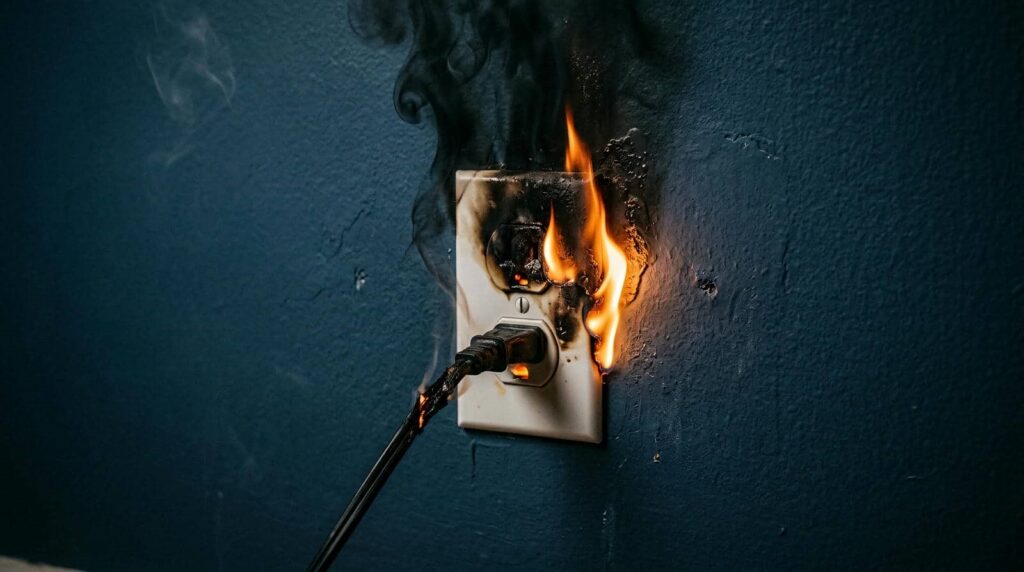
Once cleanup is complete, you can reduce the chance of another fire by tightening prevention measures across your facility. Inspect wiring, outlets, panels, and equipment for heat damage, and replace anything compromised.
Schedule routine HVAC, hood, and dryer vent cleaning to limit fuel buildup. Test alarms, sprinklers, extinguishers, and emergency lighting on a documented schedule so your team knows the system works.
Train employees to report hazards fast, keep exits clear, and store combustibles properly. Review your insurance and business continuity plans, then update them after every incident or inspection.
When you build these habits together, you protect your people, inventory, and operations. You’re not handling this alone—your cleanup and safety partners can help your business stay resilient, prepared, and ready.
Frequently Asked Questions
How Long Does Commercial Fire Cleanup Usually Take?
Commercial fire cleanup usually takes anywhere from a few days to several weeks, depending on damage severity, smoke, soot, water, and repairs. You’ll get faster results when you respond quickly and use trained professionals.
Can Cleanup Teams Work After Business Hours?
Yes, you can often have cleanup teams work after business hours, so you’ll keep operations moving. They’ll coordinate access, contain hazards, and perform restoration quietly and efficiently, helping you feel supported and included.
Are Contents Stored Off-Site During Restoration?
Yes, you can store contents off-site, like sending valuables to a safe harbor while your workspace heals. You’ll protect inventory, documents, and equipment, and we’ll inventory, pack, transport, and secure them during restoration.
Will Insurance Cover All Fire Cleanup Costs?
Not always; you’ll usually get coverage for covered fire damage, but deductibles, exclusions, and policy limits can leave gaps. You should document losses, review your policy, and work with your adjuster to maximize reimbursement.
Can Fire-Damaged Equipment Be Fully Repaired?
It depends: you can sometimes fully repair fire-damaged equipment, but heat, smoke, and corrosion may leave hidden failures. You’ll need a thorough inspection—“a stitch in time saves nine”—to know what’s truly salvageable.
Summary
After a fire, you need to act fast to protect your business. For example, a retail store that starts commercial fire cleanup within hours can often save inventory, reduce odor, and reopen sooner than one that waits days. You should assess safety risks, remove soot and water, and restore equipment right away. The right cleanup team helps you recover quickly, limit losses, and build stronger fire-prevention plans for the future.