
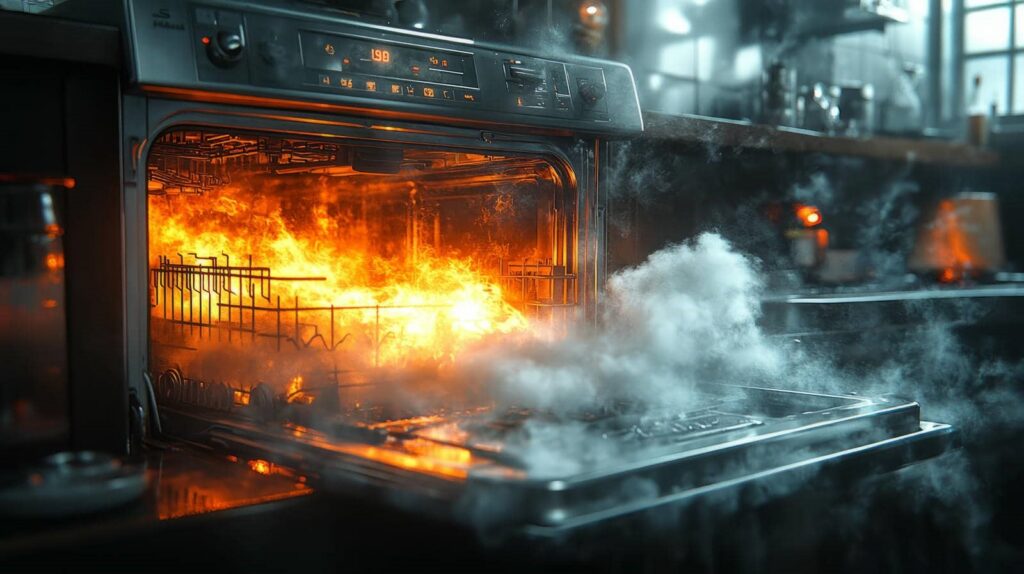
After a fire, your walls and interior surfaces may look only lightly marked, but soot can hide deeper damage and odors that linger. You’ll want to clear the room, protect clean areas, and remove loose residue with the right fire cleanup tools before you scrub anything. The method matters, because one wrong pass can set stains or spread contamination—and the next step can make the difference.
Key Takeaways
- Remove loose soot first with a HEPA vacuum and soft brush to prevent spreading residue.
- Use dry soot sponges and mild detergent on small sections, testing surfaces before full cleaning.
- Wear gloves, eye protection, and a respirator, and keep HVAC off to avoid circulating soot and odors.
- Clean porous materials and hidden areas thoroughly, since drywall, trim, insulation, and vents trap smoke odor.
- Call fire restoration professionals for heavy damage, deep odor removal, and safe cleanup of hidden contamination.
Understand How Soot Damages Walls
Soot can quickly bond to wall surfaces after a fire, leaving behind visible staining, oily residue, and lingering contamination.
You’ll notice that acidic particles can etch paint, dull finishes, and trap odors in porous materials.
In fire cleanup for soot damaged walls, you need to understand that heat, smoke chemistry, and surface texture all affect how deeply residue settles.
If you act promptly, you can limit discoloration and reduce the chance of permanent damage.
Soft drywall, painted plaster, and wallpaper each react differently, so your cleanup approach has to match the surface.
You’re not dealing with simple dirt; you’re managing fine carbon, tar, and toxic byproducts that can spread if handled poorly.
With the right method, you can restore a safer, cleaner space that feels like home again.
Clear the Room Before Cleanup
Before you start cleaning, you need to clear the room so you can work safely and keep soot from spreading. Remove furniture, rugs, curtains, electronics, and décor if you can move them without smearing residue.
Group items outside the affected area and cover clean surfaces with plastic or clean sheeting. Open windows if conditions allow, and shut off HVAC vents so dust doesn’t circulate through your home.
Place trash bags, cleaning supplies, and a step ladder where you can reach them without crossing cleaned areas. Wear gloves and a respirator, and wash your hands after handling contaminated items.
If you’re working with family or neighbors, assign clear tasks so everyone stays coordinated and protected.
Remove Soot From Walls Safely
Once the room is clear, you can start lifting soot from the walls without driving it deeper into the surface. Wear gloves, eye protection, and a respirator rated for fine particulates.
Vacuum loose soot first with a HEPA unit and a soft brush attachment, keeping the nozzle slightly away from the wall. Then wipe from the top down using a dry soot sponge, turning to a clean face as it darkens.
If residue remains, use a mild detergent solution on a microfiber cloth, not a soaking sponge. Test one small area first to confirm the finish won’t smear.
Work in short sections and replace dirty cloths often. You’re building a cleaner, safer space for everyone in the room, one careful pass at a time.
Eliminate Smoke Odors After Cleanup
To eliminate smoke odors after cleanup, you need to remove the odor source from porous materials, residues, and hidden surfaces.
You can then use air scrubbing methods, such as HEPA filtration and activated carbon, to capture airborne particles and volatile compounds.
When you address both the contamination and the air, you’ll restore a cleaner, safer indoor environment.
Odor Source Removal
Even after soot is removed from walls, smoke odors can remain if contaminated materials still hold residues. You need to identify every odor source, including porous trim, insulation, carpet padding, and damaged drywall, because trapped smoke compounds continue to off-gas.
Remove and discard items that can’t be fully cleaned, and seal or replace surfaces that have absorbed contamination. Clean hard surfaces with the right detergent and rinse thoroughly so no film remains.
Check hidden cavities, cabinet interiors, and baseboards, since residual soot there can keep the smell active. When you address the source directly, you protect your space and help your home feel familiar again.
This approach reduces lingering odor at its origin and supports a safer, more comfortable return for everyone.
Air Scrubbing Methods
Air scrubbing helps remove lingering smoke particles and volatile compounds that odor sources can still release after cleanup.
You use a HEPA air scrubber to capture fine soot, then add activated carbon filtration to adsorb odor-causing gases.
Place the unit in the affected zone, seal adjacent rooms when possible, and run continuous circulation to reduce airborne contaminants.
You should match the machine’s airflow to room size so you don’t under-treat the space or stir settled debris.
Replace filters on schedule, because loaded media can’t perform well.
If you’re recovering from fire damage, this step helps your home feel safe, clean, and yours again.
Combined with source removal and surface cleaning, air scrubbing supports a fresher indoor environment and speeds your return to normal life.
Clean Interior Surfaces and Fixtures
Start by cleaning interior surfaces and fixtures with methods that remove soot without spreading it. You’ll work from clean zones toward heavier deposits, using dry microfiber cloths, HEPA-safe vacuums, and mild detergent on nonporous surfaces.
Keep your strokes light and controlled so residue lifts instead of smears. Wipe switches, trim, shelving, and fixtures in sections, rinsing tools often to avoid redepositing particles.
You’re not doing this alone; careful sequencing helps restore order and makes each room feel manageable again.
- A lamp base with matte soot fading to clean metal.
- A door handle brightening under a folded microfiber cloth.
- A shelf edge revealing a crisp line between residue and restored finish.
Know When to Seal or Repaint Walls
Once the surfaces are clean, assess whether the soot has left behind a stain or odor that cleaning alone can’t remove.
If the wall still looks shadowed, feels tacky, or carries a smoky smell, you’ll usually need to seal it before repainting. Use a stain-blocking primer designed for smoke residue; it locks in discoloration and helps your finish coat bond evenly.
On porous drywall, unsealed soot can bleed through fresh paint and weaken the result. If the surface is sound and fully neutralized, repainting may be enough after primer.
Apply thin, even coats and allow each layer to cure as directed. You’re restoring more than color here—you’re rebuilding a clean, comfortable space that feels like yours again.
Call a Fire Damage Cleanup Pro
When soot damage is widespread, you should call a fire damage cleanup pro to assess hidden residue behind finishes, in cavities, and in HVAC pathways.
They’ll use professional cleanup methods that remove contamination without spreading it, which helps protect wall surfaces and indoor air quality.
You’ll also reduce the risk of lingering smoke odors by addressing the source, not just the visible staining.
Assess Hidden Soot Damage
How do you know if soot has spread beyond the visible stain? You inspect with purpose, because hidden residue can travel into seams, trim, and porous materials.
If you notice a sharp smoke odor, dull film on nearby surfaces, or discoloration that keeps returning, you’re likely seeing only part of the problem. A fire damage cleanup pro can help you confirm the full extent and guide your next step with confidence.
Picture gray dust along baseboards, tucked behind a sofa.
Picture dark specks inside vent grilles and window tracks.
Picture a faint halo around doorframes and ceiling corners.
You don’t have to guess alone. Careful assessment gives you clear answers, protects your space, and helps your home feel settled again.
Use Professional Cleanup Methods
If soot has spread into seams, porous materials, or hidden cavities, professional cleanup methods can stop the damage from setting in further.
You’ll benefit from technicians who assess residue type, surface sensitivity, and contamination depth before they clean. They use HEPA vacuuming, dry sponges, detergent solutions, and controlled wiping to lift particles without driving them deeper.
For fragile drywall, painted trim, and textured finishes, they’ll choose methods that protect the substrate while removing staining. They also isolate work areas, monitor debris, and follow a sequence that limits cross-contamination.
You don’t have to guess at what’s safe or effective; a trained crew brings the right tools, chemistry, and process. That means your space gets cleaner, safer, and ready for the next restoration step.
Prevent Lingering Smoke Odors
Even after visible soot is removed, smoke residues can keep releasing odors into drywall, trim, insulation, and HVAC components.
You need targeted deodorization, not just surface wiping, because odor molecules cling to porous materials and recirculate through your home. A fire damage cleanup pro can test affected areas, clean hidden cavities, and apply thermal fogging, hydroxyl treatment, or sealing primers where needed.
That helps protect your spaces and lets you feel comfortable again.
- A blackened return vent pushing stale smoke through clean rooms
- Warm attic insulation holding a faint, sharp odor
- Freshly painted trim sealing in the last smoky trace
Frequently Asked Questions
How Soon Should Soot Damage Be Cleaned After a Fire?
You should clean soot damage immediately, ideally within 24 to 48 hours, because residues can etch surfaces and spread contamination. You’ll protect your walls, reduce odors, and avoid deeper restoration costs later.
Can Soot Stains Permanently Discolor Painted Walls?
Yes, soot stains can permanently discolor painted walls if you leave them untreated. You should clean them quickly, use proper methods, and protect your finish; prompt action helps you preserve color and feel included in recovery.
Are HEPA Vacuums Better Than Regular Vacuums for Soot?
Yes, you’ll usually want a HEPA vacuum; it’s the knight’s net, trapping fine soot instead of recirculating it. You’ll clean more safely, reduce residue, and protect your space’s air quality.
How Do I Protect HVAC Vents During Cleanup?
You should cover vents with plastic sheeting and painter’s tape, shut off the HVAC system, and seal returns. You’ll keep soot from circulating, protect filters, and maintain safe airflow while you clean.
Can Soot Cleanup Affect Indoor Air Quality Long-Term?
Yes—if you leave soot behind, your air can stay contaminated; if you clean it thoroughly, it improves. You can reduce long-term exposure by using proper containment, HEPA filtration, and sealed disposal methods during cleanup.
Recap
After fire cleanup, you should act fast because soot can etch and stain surfaces within hours, making later removal much harder. You’ll get the best results by vacuuming first, using dry sponges on residue, then washing with a mild detergent solution. House fires can leave hidden smoke damage in walls or ductwork, so don’t ignore an odor. If stains keep returning, you should seal, repaint, or call a pro.