
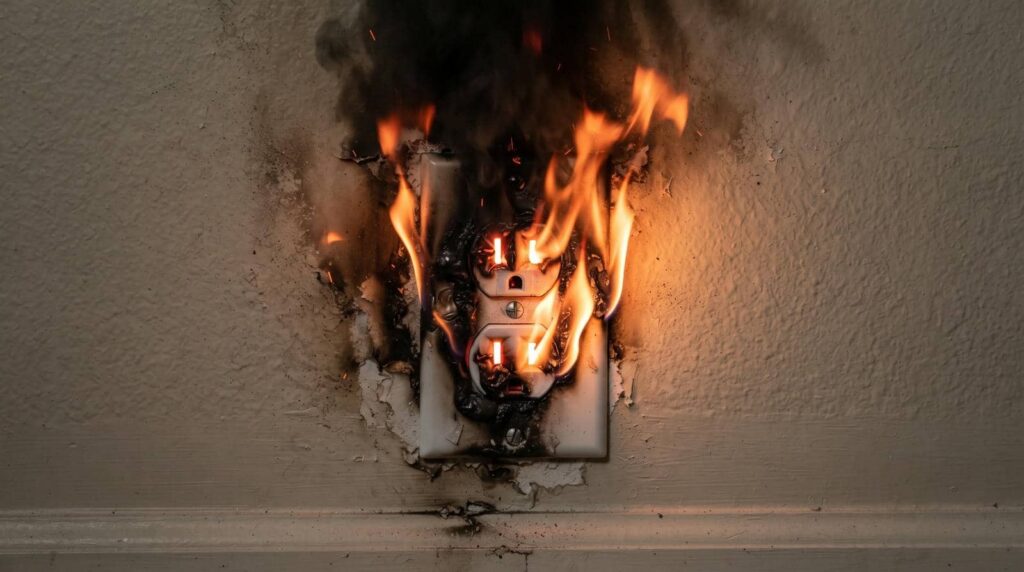
Smoke still hangs in the air, and the room feels frozen in the moment after the fire. Before fire damage restoration starts, you need to check for hazards, call your insurer, and secure the property so nothing gets worse. If it’s safe, protect lightly damaged items, document everything, and limit smoke and soot spread. The steps you take now can shape how smoothly recovery goes—and one mistake can complicate the rest.
Key Takeaways
- Ensure the property is safe before entering, checking for hazards like sagging ceilings, exposed wiring, and broken glass.
- Contact your fire damage insurer immediately and record the claim number and communication details.
- Secure the property by locking openings, boarding broken areas, and marking unsafe zones.
- Salvage lightly damaged items only if safe, then move them to a clean, dry space.
- Photograph and inventory all damage before cleanup, including item descriptions, values, and room-by-room records.
Assess Fire Damage Safely
Before you enter the property, make sure it’s safe to do so, because fire damage can create hidden hazards beyond what you can see.
Stand outside first and look for sagging ceilings, broken glass, exposed wiring, and unstable walls. If you smell gas, hear hissing, or see active smoke, leave and call emergency services.
Wear sturdy shoes, gloves, and a mask to reduce exposure to soot and ash. Photograph visible damage only if you can do it safely, so you can document what to do before fire damage restoration.
Keep children and pets away, and avoid turning on lights, appliances, or water until you’ve checked for damage. Move slowly, trust your instincts, and remember that you’re protecting your home and your crew.
Contact Your Fire Damage Insurer
Once you’ve confirmed the property is safe enough to approach, contact your fire damage insurer right away to start the claims process. Share your policy number, the date of loss, and a brief summary of what happened.
Ask how they want photos, receipts, and inspection reports submitted so you can keep everything organized. You’ll feel more in control when you know what’s covered and what documentation they need. Stay calm and factual; clear communication helps your claim move faster.
- Record the claim number
- Save every email and voicemail
- Note adjuster names and dates
- Ask about temporary living coverage
If you’re unsure, request a claims checklist. Your insurer can guide you through the next steps, and you’re not handling this alone.
Secure the Property Before Restoration
If it’s safe to do so, secure the property right away to prevent further damage and unauthorized entry. Lock all usable doors and windows, then board or tarp openings that can’t close properly.
Shut off utilities only if you know it’s safe and the fire department has cleared you. Set up temporary barriers, cones, or tape to mark unsafe areas and keep neighbors, workers, and curious visitors out.
If you can, stay nearby or arrange trusted oversight until restoration begins. Document any visible breaches with quick photos for your records.
This isn’t about handling everything alone; it’s about protecting your home and helping your restoration team start smoothly. A secured site supports faster work, fewer risks, and a safer return for everyone on your team.
Save Lightly Damaged Items
Salvage lightly damaged items as soon as you can, but only after you’ve confirmed the area is safe to enter. Move with care, because heat, soot, and moisture can keep damaging belongings after the flames are out.
You can help protect your space by gathering intact items and placing them in a clean, dry room where air can circulate. Work methodically, and don’t overload boxes or bags.
- Set aside dry clothing, books, and linens.
- Wipe loose soot from hard surfaces gently.
- Separate items with strong odors or dampness.
- Keep salvageable pieces away from debris.
If you stay organized, you’ll make the cleanup easier for everyone involved and keep your home’s recovery moving forward with confidence.
Document Fire Damage for Your Claim
Before cleanup starts, you should photograph all affected areas from multiple angles to create a clear visual record for your claim.
Record each damaged belonging with a brief description, estimated value, and any visible serial numbers or identifying marks.
This documentation helps support your insurance claim and makes the restoration process more organized.
Photograph All Affected Areas
Once it’s safe to enter, photograph every affected area before any cleanup or repairs begin so you have a clear record for your insurance claim. Use your phone or camera, and capture wide shots first, then close-ups of soot, water lines, warped materials, and structural damage.
Keep the room in frame so adjusters can see where each problem sits. Turn on the date stamp if available, and back up files right away. You’re not doing this alone; careful documentation helps your whole recovery team work from the same facts.
- Snap each wall, ceiling, and floor
- Photograph entry points and windows
- Include damaged trim, vents, and fixtures
- Save images in a labeled folder
Record Damaged Belongings
Start a room-by-room inventory of every damaged belonging so you can support your insurance claim with clear, organized evidence.
List each item, its location, brand, model, and approximate age. Note visible fire, smoke, soot, and water damage, and include purchase receipts, manuals, or appraisals when you have them.
If you can’t safely handle an item, leave it in place and record it from a distance. Use the same naming system for photos and notes so adjusters can match everything quickly.
Back up your records in the cloud and on a second device. This process helps you stay in control, protect your household’s value, and feel less alone as you work through recovery with your restoration team and insurer.
Reduce Smoke And Soot Damage
Act quickly to limit smoke and soot damage, because these residues can stain surfaces, corrode materials, and embed odors if they stay in place.
You can help protect your space by gently removing loose soot with a dry, chemical sponge and wiping nonporous surfaces with a lightly damp microfiber cloth. Keep your movements soft so you don’t grind particles deeper.
- Open windows only if outdoor air is cleaner.
- Turn off HVAC to prevent spread.
- Cover clean items with clean sheets.
- Rinse metal fixtures before corrosion starts.
If a surface feels fragile, leave it alone and let specialists handle it.
You’re not alone in this—small, careful steps now can make restoration smoother and help your property recover with less lasting damage.
Prepare For Fire Damage Restoration
Before fire damage restoration begins, secure the site, document visible damage, and protect any items that can be safely moved.
Shut off utilities if responders approve, then ventilate the space to limit lingering smoke and moisture.
Keep family members, pets, and coworkers out of damaged rooms so crews can work safely.
Sort salvageable belongings into clear groups, such as items to clean, items to store, and items to discard.
Share photos, inventories, and insurance details with your restoration team so they can plan the next steps quickly.
If you belong to a larger household or business, assign one contact person to answer questions and coordinate access.
These actions help you stay organized, reduce delays, and support a smoother recovery for everyone involved.
Frequently Asked Questions
When Can I Safely Re-Enter a Fire-Damaged Property?
You can re-enter only after fire officials or your restoration pro clear the structure, utilities, and air quality. Don’t enter if you smell gas, see sagging damage, or find wet, unstable debris.
How Soon Should I Contact My Insurance Company After a Fire?
Contact your insurance company immediately, ideally while you’re still arranging safety checks; that timing helps you preserve evidence, document losses, and start claims smoothly. You’ll feel supported, and your recovery can move forward faster.
Should I Clean Soot From Walls Before Restoration Begins?
No, you shouldn’t clean soot from walls before restoration begins. You can smear acidic residue, set stains, and worsen damage. If it’s safe, dry-dust lightly, then wait for professionals to assess and restore properly.
Can I Stay in My Home During Fire Damage Cleanup?
You usually shouldn’t stay in your home during cleanup if there’s smoke, soot, structural damage, or utilities issues. You’ll stay safer elsewhere while crews assess hazards, ventilate rooms, and begin restoration work.
What Paperwork Should I Gather Before Restoration Starts?
Gather your insurance policy, claim number, photos, receipts, property records, and police or fire reports first. These documents guide your claim like a compass, keeping you grounded, informed, and welcomed through restoration steps.
Review
Before restoration starts, you can protect your safety, your claim, and your belongings by acting quickly and methodically. One useful statistic: smoke and soot can begin causing permanent damage within just a few hours, so fast action matters. If you assess hazards, contact your insurer, secure the property, document losses, and reduce further smoke damage, you’ll make recovery smoother and more efficient. Stay organized, stay cautious, and you’ll give the restoration process the best possible start.