
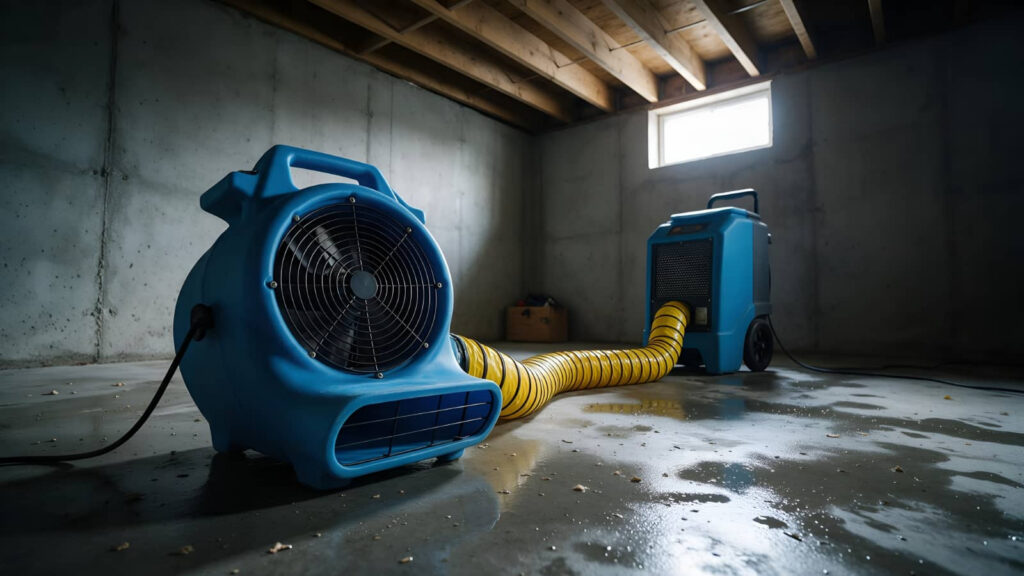
When your basement takes on two inches of water after a storm, the cleanup cost can climb quickly. The cost of professional water extraction can range from a few hundred to several thousand dollars, depending on the water category, volume, access, and response time. Hidden charges can add up fast, especially for heavy furniture, after-hours calls, and specialized equipment. The real cost often isn’t obvious until you compare exactly what each service includes.
Key Takeaways
- Professional water extraction typically starts in the low hundreds but can reach thousands for extensive flooding.
- Water volume, spread, contamination level, and difficult access are the main factors driving cost.
- Category 1 water is cheapest to remove, while Category 3 contaminated water costs the most.
- Emergency, after-hours, and holiday service usually adds labor premiums and priority dispatch fees.
- Additional charges may include furniture moving, pad removal, wall cuts, deodorization, and antimicrobial treatment.
How Much Does Water Extraction Cost?
How much does water extraction cost? You’ll usually see the cost of professional water extraction start in the low hundreds for a small loss and climb into the thousands when water spreads through multiple rooms or soaks structural materials.
Most crews inspect, extract standing water, and document moisture conditions before they leave, so you know what you’re paying for. If you’re part of a tight-knit recovery team, you’ll want a provider that explains the scope clearly and keeps you informed at each step.
Expect a technician to use pumps, vacuums, and meters to remove water quickly and verify dryness. The faster you call, the less labor you’ll likely need. After a loss, prompt action helps protect your space, your budget, and your sense of control.
Main Factors That Affect Water Extraction Cost
Several variables drive water extraction pricing, with the biggest being how much water you’re dealing with, how far it has spread, and how quickly you need service.
If the water sits in one room, crews can often set up faster and extract more efficiently; if it’s moved into hallways, closets, or under baseboards, labor and equipment time rise.
Access matters too: tight spaces, stairs, or blocked entry slow the work. You’ll also pay more when technicians need extra pumps, vacuums, moisture meters, or monitoring to verify removal.
Emergency response after hours or on weekends can add surcharges. Cleanup time, crew size, and disposal needs all shape the final bill, so you’re paying for scope, speed, and the level of effort required to get your space back to normal.
How Water Damage Category Changes Cost
You’ll usually pay less for Category One water because it’s clean, so extraction and drying are more straightforward.
Category Two water raises costs since it contains contaminants that require more aggressive cleanup and sanitation.
Category Three water costs the most because it’s highly contaminated, and you’ll need specialized containment, removal, and disinfection.
Category One Water
Category One water is the least contaminated type of water damage, so it usually costs less to extract and dry than more hazardous categories. You’ll still pay based on how far it spread, how quickly you call, and how much material needs drying.
In a clean-water event, your technician can often use standard extraction equipment, moisture meters, and targeted dehumidification to limit labor hours and protect your contents. That keeps your crew focused and your bill more predictable.
- Smaller areas dry faster
- Carpet and padding affect labor
- Hidden moisture raises equipment time
- Fast response lowers total cost
If you act quickly, you join the best-case path: less demolition, fewer replacements, and a smoother restoration timeline for your home or business.
Category Two Water
When water carries moderate contamination, extraction usually costs more because crews need stronger sanitation, tighter containment, and more careful material handling.
You’re paying for technicians who can remove standing water, protect nearby surfaces, and limit spread into clean areas. Category two jobs often require antimicrobial application, extra PPE, and disposal of porous materials that can’t be fully cleaned.
If the loss reaches multiple rooms, price rises with setup time, truck access, and drying equipment placement. You’ll also see higher labor when flooring, trim, or insulation must be lifted to reach trapped moisture.
Acting quickly helps your team reduce damage and control the bill. With the right crew, you can move through this stage confidently and keep the restoration plan on track.
Category Three Water
Because category three water brings severe contamination, professional extraction usually costs more due to stricter safety controls, extensive PPE, and more aggressive disposal of unsalvageable materials.
You’ll also see higher pricing when crews must isolate the area, test surfaces, and disinfect framing, subfloors, and contents. That extra labor helps keep your home and team protected, and it’s standard practice in the restoration community.
- Sewage, floodwater, or backup waste raises labor
- Porous materials often need removal, not drying
- Containment and HEPA filtration add setup time
- Antimicrobial treatment increases chemical and disposal costs
If you’re comparing estimates, ask whether the quote includes demolition, sanitation, and haul-away. That way, you’ll know where the true cost is and can make a confident decision.
How Water Volume Affects the Price
Water volume directly drives the cost of professional water extraction because crews must remove, transport, and dispose of more water as the affected area grows.
You’ll usually pay more when standing water reaches deeper levels, saturates materials, or keeps refilling from hidden leaks. Technicians often price extraction by estimating gallons removed and the time needed to pump, vacuum, and monitor the site.
Heavy saturation also means more equipment runs, more labor hours, and more disposal handling, which pushes the invoice up. If water spreads beyond a small pool, you should expect the crew to bring higher-capacity pumps and larger containment tools.
The faster you call, the less water they’ve to manage, and the lower your total extraction cost will usually be.
Which Rooms Cost More to Extract Water From?
Kitchens and bathrooms often cost more to extract because you’re dealing with tight access, plumbing fixtures, cabinets, and moisture trapped under flooring or behind walls.
Finished basements can also raise the price since you may need to protect drywall, insulation, electrical systems, and stored contents while removing water.
In both cases, the room’s layout and material sensitivity usually drive more labor, equipment, and drying time.
Kitchens and Bathrooms
If a leak hits your kitchen or bathroom, extraction costs can climb fast since both rooms usually pack dense fixtures, cabinets, and hard-to-reach spaces that slow the job down. You’re often paying for extra labor because crews must move appliances, protect surfaces, and vacuum water from tight voids.
In these rooms, moisture can also hide under toe kicks, vanities, and sinks, so technicians need more time to confirm dry conditions.
- Remove standing water around plumbing
- Access trapped moisture behind cabinets
- Protect finishes from secondary damage
- Run meters to verify dryness
If you’re dealing with a leak, act quickly and work with a team that understands these layouts. Fast response helps you control damage, keep costs predictable, and get back to normal sooner.
Finished Basements
Finished basements often rank among the more expensive rooms to extract water from because crews must work around carpet, padding, drywall, furniture, and built-in storage, all of which can trap moisture below the surface.
You’re also dealing with concrete slabs, sump pits, and low ventilation, so technicians may need more drying equipment and longer monitoring. If water reaches wall cavities or under flooring, extraction takes longer and demolition can follow. That raises labor, equipment, and disposal costs.
You can lower risk by reporting the loss fast, shutting off the source, and moving valuables before help arrives. When you understand these basement challenges, you’re better prepared to compare quotes and join other homeowners who protect their spaces with timely, targeted extraction.
What’s Included in Professional Water Extraction?
Professional water extraction typically includes a technician’s assessment of the water volume, the extent of affected areas, and the urgency of the response, since these factors shape the equipment, labor, and time required.
You’ll usually get a structured process that removes standing water, protects building materials, and prepares surfaces for drying. Your team may use:
- submersible pumps for deeper pooling
- truck-mounted or portable extraction units
- weighted tools for carpet and pad extraction
- moisture meters to verify what remains
You’ll also see containment, furniture handling, and documentation of wet zones, so you know what’s been addressed.
This service helps you move forward with a clear plan, and it gives your property the same careful attention other homes in your community deserve.
Emergency Water Extraction vs. Standard Service
When you need emergency water extraction, response timing can start the clock on damage control, so faster dispatch often carries a higher price.
After-hours service rates usually apply for nights, weekends, and holidays, while standard scheduling options let you book during normal business hours at a lower cost.
You should compare urgency against cost because the service window can change both the total bill and the extent of water damage.
Emergency Response Timing
Emergency response timing can raise the cost of water extraction because a faster dispatch often requires after-hours crews, immediate mobilization, and priority scheduling.
When you call for emergency service, you’re paying for speed that limits delay, which helps protect your space and the people in it. Standard service gives you a planned arrival window, while emergency response moves your job ahead of others.
- You get quicker inspection and moisture mapping.
- Crews bring extraction gear without waiting.
- You reduce time for water to spread.
- You stay connected to a team that acts fast.
If you’re comparing options, ask how soon technicians can arrive, what scope they’ll handle on arrival, and whether the schedule changes your overall project sequence.
After-Hours Service Rates
After-hours water extraction usually costs more than standard daytime service because crews may need to work nights, weekends, or holidays, and that schedule often comes with overtime pay and rapid-response staffing.
You’re also paying for mobilization on short notice, which can increase labor minimums and dispatch fees. When water is spreading fast, that premium can be worth it because quicker extraction helps limit secondary damage, microbial growth, and demolition costs.
If your loss happens late, ask whether the quote includes extraction, monitoring, and travel time so you can compare apples to apples. You shouldn’t assume every after-hours call is priced the same; severity, access, and equipment needs still matter.
Knowing these variables helps you stay in control and feel less alone when timing adds pressure.
Standard Scheduling Options
Standard scheduling choices can change both the response timeline and the final bill, because emergency water extraction usually puts crews on immediate dispatch with higher labor, equipment, and mobilization costs, while standard service lets the provider fit the job into a regular schedule.
You’ll usually pay less when your loss is stable and you can wait. Choose based on:
- current water spread
- risk to drywall, flooring, and contents
- access to shutoffs and power
- your insurance reporting window
If you can contain the source and limit secondary damage, standard service often works well for you and your crew.
If standing water keeps rising, emergency dispatch protects your home better. Ask for a written scope, estimated start time, and surcharge details so you can compare options confidently and stay in control.
Common Water Extraction Add-On Fees
Common add-on fees often show up when the job requires more labor, equipment, or disposal than a basic extraction service covers. You may see charges for heavy furniture moving, carpet pad removal, and detach-and-reset work on baseboards or appliances.
If water has spread into wall cavities, subflooring, or crawlspaces, technicians often bill extra for drilling, access cuts, or confined-space extraction. Antimicrobial treatment, deodorization, and debris haul-away can also raise your total because they add materials and disposal steps.
After-hours response, holiday dispatch, and multi-story access may trigger labor premiums too. Ask for a line-item estimate so you know what each charge covers. When you understand these extras, you can plan confidently and stay aligned with the restoration team.
Does Insurance Cover Water Extraction Costs?
Insurance may cover water extraction costs when the damage comes from a covered peril, such as a burst pipe, appliance failure, or sudden storm-related intrusion.
However, it usually won’t pay for damage caused by long-term leaks, neglect, or flooding from external sources without separate flood coverage.
You should review your policy’s dwelling, personal property, and additional living expense sections to see where extraction fits.
Your insurer may require prompt notice, photos, mitigation receipts, and proof that you acted quickly to limit loss.
- Check deductible
- Confirm covered peril
- Document damage fast
- Save mitigation invoices
If you belong to a homeowners’ association, ask whether its master policy overlaps.
When you understand these terms, you can protect your claim and reduce surprises.
How to Compare Water Extraction Quotes
When you compare water extraction quotes, focus on scope, pricing structure, and response time so you can judge the real value, not just the lowest number.
Ask whether the estimate covers pumping, moisture mapping, furniture moving, sanitation, and equipment setup. Check if the company bills by square foot, by room, or by labor hour, and confirm any minimum charges, after-hours fees, or travel costs.
You should also verify how quickly they can arrive, because faster extraction can reduce secondary damage. Make sure each provider lists moisture readings, affected materials, and assumed water category.
If a quote leaves out demolition or monitoring, your final bill may rise. Choose a team that explains terms clearly, answers questions, and makes you feel supported, because you deserve a crew that works with you.
Frequently Asked Questions
How Long Does Professional Water Extraction Take?
You’ll usually see professional water extraction take 1–4 hours, depending on water depth, room size, access, and equipment. Bigger losses take longer, but crews work fast to reduce damage and start drying immediately.
What Equipment Do Professionals Use for Extraction?
You’ll see truck-mounted extractors, portable pumps, weighted wands, submersible pumps, wet vacs, air movers, and dehumidifiers—because apparently water loves hiding everywhere. You use the right tool fast, so you protect structure and restore comfort.
Can I Stay in My Home During Water Extraction?
You can sometimes stay if the affected area’s contained and safe, but you’ll need to avoid wet rooms, shut off hazards, and follow the crew’s airflow, noise, and moisture-control instructions carefully.
How Soon Should Water Extraction Start After Flooding?
You should start water extraction immediately, ideally within 24 hours, because you’ll limit structural damage, mold growth, and contamination. If you act fast, you’ll protect your home, reduce repairs, and keep your restoration team effective.
What Happens if Hidden Moisture Remains After Extraction?
If hidden moisture remains, you’ll face mold growth, material decay, warped finishes, and odor problems. You’ll need thermal imaging, dehumidification, and moisture mapping to verify drying, protect your property, and prevent costly secondary damage.
Wrap-Up
When you face water damage, you’ll want to act fast, because extraction costs can rise like a tide when delays, contamination, or hard-to-reach areas are involved. You can lower your total by choosing prompt service, comparing itemized quotes, and checking whether your insurance covers the loss. If you understand water category, room access, and add-on fees, you’ll make a smarter decision and keep your cleanup cost as controlled as possible.