
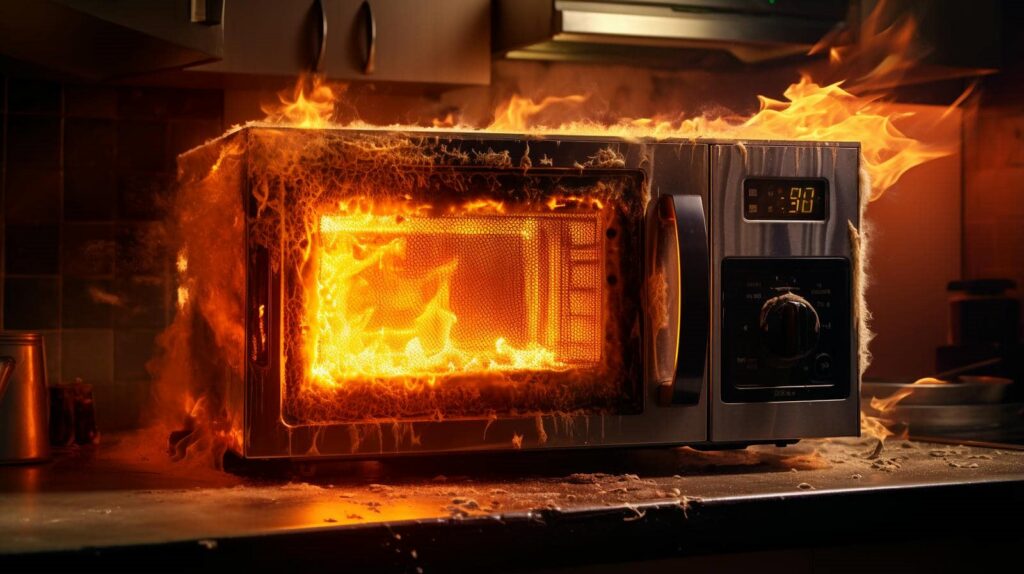
Fire cleanup can take a few days or stretch into several weeks, depending on how far flames, soot, and water have spread through the property. You’ll move through debris removal, surface cleaning, drying, odor control, and repairs before recovery feels complete. Delays often come from structural damage, access limits, and hidden contamination. The real timeline depends on what gets found after the first removal phase.
Key Takeaways
- Light fire cleanup can take a few days, while moderate damage often needs one to three weeks.
- Major fire losses or structural damage can extend cleanup and recovery for much longer.
- Cleanup usually includes debris removal, surface cleaning, odor treatment, and moisture drying.
- Smoke, soot, access limits, hidden damage, and repairs to HVAC, electrical, or plumbing can delay progress.
- Full recovery ends after inspections, drying, restoration, and clearance checks confirm the property is safe and functional.
How Long Fire Cleanup Usually Takes
How long fire cleanup usually takes depends on the severity of the fire, how far soot and smoke spread, and the overall scope of the damage.
In a light event, you may see crews finish in a few days. In a moderate loss, cleanup often takes one to three weeks. When the structure needs major removal, the work can extend longer.
You’ll usually move through debris hauling, surface cleaning, odor treatment, and final checks. If you stay organized and keep records, you’ll help the process run smoothly.
Your team should assess each room, confirm what can be salvaged, and set clear priorities. Knowing how long fire cleanup takes helps you plan housing, operations, and next steps with confidence and stay connected to the recovery effort.
What Delays Fire Cleanup
Fire cleanup slows when the fire is more severe and the damage spreads beyond the main room or structure.
Soot and smoke can travel through HVAC, insulation, and hidden cavities, which expands the cleanup scope.
Access limits, moisture, and needed repairs can also delay each phase of the job.
Severity And Damage Spread
When damage is severe, cleanup usually takes longer because crews have to address deeper structural harm, wider soot penetration, and more affected materials. You’ll see the timeline stretch when the fire reaches framing, insulation, wiring, or finishes, since each layer needs separate inspection and removal.
Larger loss zones also slow containment, sorting, and rebuild planning.
- Heavily damaged rooms need demolition
- Structural members may need shoring
- Wet materials can’t stay in place
- Damaged contents require triage
- Clearance checks take longer with broad impact
You can expect each step to build on the last, so the bigger the spread, the more coordination your team needs. That said, a well-run crew can keep you informed and help you move forward with confidence.
Soot And Smoke Reach
Soot and smoke reach can slow cleanup just as much as visible fire damage, because fine particles travel into hidden cavities, porous materials, and HVAC systems.
You’ll need more than surface wiping; technicians must inspect framing, insulation, ductwork, and contents for residue and odor.
Smoke compounds can etch metal, stain finishes, and contaminate soft goods, so you may need targeted cleaning, sealing, or replacement.
The farther particulates spread, the more zones require testing and treatment, which extends your timeline.
Odor control also adds steps, since lingering smoke can keep a space from reopening.
When you understand this spread, you can plan with your team, set realistic milestones, and reduce surprises during recovery.
Access And Repair Delays
Access limitations can slow fire cleanup quickly, especially if structural damage blocks rooms, utilities stay shut off, or crews need clearance before entry.
You’ll see delays when:
- walls or floors need shoring
- gas, power, or water must stay offline
- inspectors haven’t cleared hazard zones
- the fire origin needs documentation
- repair trades can’t start in sequence
Each hold-up adds labor gaps and pushes drying, demolition, and rebuild work back.
You can help move things along by getting access permits, coordinating with your insurer, and keeping damaged areas available for assessment.
When your team can enter safely and in order, cleanup stays on track and recovery feels less uncertain.
How Soot and Smoke Affect Timing
You’ll see cleanup timing change based on how far soot spreads across surfaces and into hidden areas.
Smoke penetration affects how much material you’ll need to clean or replace, and deeper infiltration usually adds more time.
Odor removal can extend the schedule too, since trapped smoke smells often require repeated treatment before the space is ready.
Soot Spread Assessment
When smoke and soot travel beyond the main burn area, cleanup time increases because technicians must inspect, contain, and remove residue from more surfaces and materials. You can expect the assessment to focus on where particles settled and how far crews must work.
Wider spread means more labor, more protective measures, and more coordination.
- Check walls, ceilings, and trim
- Map affected rooms and pathways
- Compare light and heavy residue
- Identify items needing disposal
- Document cleanable versus damaged areas
You’ll move faster when the spread is limited, because teams can target only the impacted zones. When soot reaches adjacent spaces, cleanup expands in scope, and your recovery schedule stretches.
Clear assessment helps your crew stay organized, protect unaffected areas, and restore your space with confidence.
Smoke Penetration Levels
Smoke penetration level directly shapes cleanup time because smoke can move into porous materials, hidden cavities, and HVAC pathways far beyond the visible burn area.
You’ll usually see faster cleanup when smoke stays near the source, but deeper penetration means crews must inspect more surfaces, open up concealed spaces, and verify affected materials.
You can’t rely on what looks clean; smoke often reaches insulation, wall voids, cabinets, and ductwork.
The longer smoke lingers, the more time you’ll need for targeted demolition, HEPA vacuuming, and surface cleaning.
If you want a smoother recovery, document affected rooms early and let your team map every impacted path.
That shared plan helps everyone move faster, stay aligned, and restore your space with fewer surprises and delays.
Odor Removal Timeline
Odor removal often takes longer than visible cleaning because soot and smoke particles embed in porous materials, soft goods, and hidden cavities. You’ll usually need several passes because odor molecules keep off-gassing after surface cleaning.
Your timeline depends on fire intensity, material type, humidity, and ventilation. Technicians often combine source removal, HEPA vacuuming, thermal fogging, hydroxyl treatment, and air scrubbing to speed results.
- Inspect hidden voids
- Remove contaminated debris
- Clean HVAC pathways
- Treat absorbent materials
- Verify odor reduction
Light smoke can clear in days, while heavy structural fires can take weeks. You belong in the recovery plan when you track progress with odor checks, not just visual inspections.
If odor persists, residual contamination remains and you’ll need additional treatment.
Fire Cleanup Stages From Demo to Dry-Out
From demo to dry-out, fire cleanup follows a staged process that changes based on the damage. You’ll usually start with inspection and safety setup, then crews remove debris, charred materials, and unsalvageable contents.
Next, they separate salvageable items, protect unaffected areas, and clean soot from surfaces with the right methods for each material.
After that, technicians handle structural demolition where heat weakened framing, drywall, or finishes.
They then deodorize, detail-clean, and begin dry-out to stabilize moisture and prepare repairs.
Each step builds on the last, so skipping one can slow recovery and leave hidden contamination behind.
When you know the sequence, you can track progress, set expectations, and work with a team that keeps your property moving toward recovery.
When Water Damage Extends Cleanup
When fire suppression soaks drywall, framing, flooring, or insulation, cleanup usually takes longer because crews must remove wet materials, dry the structure, and verify moisture levels before repairs can move forward.
You’ll also notice extra time when hidden cavities hold water, because trapped moisture can keep odors, staining, and microbial growth active. Your team typically tracks this with meters and air movers until readings stabilize.
- Remove saturated porous materials
- Open closed spaces for drying
- Run dehumidifiers and air movers
- Check moisture with meters
- Document dry standards before closing up
If you’re in this phase, stay close with your mitigation crew and ask for daily updates.
That way, you’ll know the structure’s drying progress and avoid surprises that can delay your return.
How Repair Scope Changes Recovery Time
The larger the repair scope, the longer cleanup and recovery usually take because crews must complete more demolition, drying, cleaning, and rebuilding before the space is safe to use again.
If fire damaged only a few rooms, you may see a shorter timeline because technicians can isolate work zones and move faster.
When damage reaches framing, electrical, plumbing, or HVAC systems, you’ll need inspections, permits, and coordinated trades, which add days or weeks.
Extensive smoke migration also expands the scope, since porous materials often need removal.
You’re not dealing with a simple surface cleanup; you’re managing structural repair, contamination control, and code compliance.
A clear scope estimate helps your team stay aligned, set realistic milestones, and avoid delays while the job moves forward safely together.
What Final Restoration Looks Like
Final restoration means your property has moved past cleanup and into full recovery, with repairs completed and the space brought back to safe, usable condition.
You’ll see normal systems working again, and you can return with confidence that the environment meets safety standards. Crews verify structural integrity, finish surfaces, and confirm indoor air quality before closing the job. Your space should feel like yours again, not a work zone.
- Walls, ceilings, and floors repaired
- Smoke odor fully treated
- Electrical and HVAC systems tested
- Contents cleaned or replaced
- Clearance checks completed
At this stage, you’re rejoining a functional, stable property.
If anything still feels off, ask for documentation so you know the work met the required scope.
Frequently Asked Questions
How Soon Should Fire Cleanup Start After the Fire Is Out?
You should start fire cleanup as soon as the site’s safe and the fire department releases it, because soot, smoke, and moisture keep damaging surfaces fast. Act quickly, and you’ll protect your property’s recovery.
What Items Can Be Salvaged After a Fire?
You can often salvage metal, glass, stone, and some sealed plastics, plus electronics and textiles if smoke damage’s limited. Don’t assume everything’s ruined; a restoration pro can inspect items, document losses, and guide your next steps.
Do Insurance Approvals Affect Fire Cleanup Timing?
Yes, your insurance approvals can delay cleanup because you often need claim verification, scope approval, and payment authorization first. You’ll move faster when you document damage promptly, coordinate adjusters, and keep your restoration contractor informed.
Can Hidden Damage Appear After Initial Fire Cleanup?
Yes—hidden damage can appear after cleanup; you’ll uncover charred framing, trapped moisture, and smoke migration like a hidden iceberg. Inspect cavities, wiring, and HVAC early, so you catch costly problems before they snowball.
How Is Fire Cleanup Different From Restoration?
Fire cleanup removes debris, soot, and contaminated materials; restoration repairs structure, finishes, and systems so you can use the space again. You’ll first stabilize the site, then rebuild and verify safety.
Wrap-Up
In most cases, you’ll see fire cleanup move from debris removal to dry-out in a few days to several weeks, depending on damage severity. One useful benchmark: light smoke events may be resolved in under a week, while major fire losses can take a month or more. You’ll speed recovery by documenting damage, limiting access delays, and coordinating repairs early. When soot, water, and structural issues overlap, cleanup usually takes longer than you’d expect.