
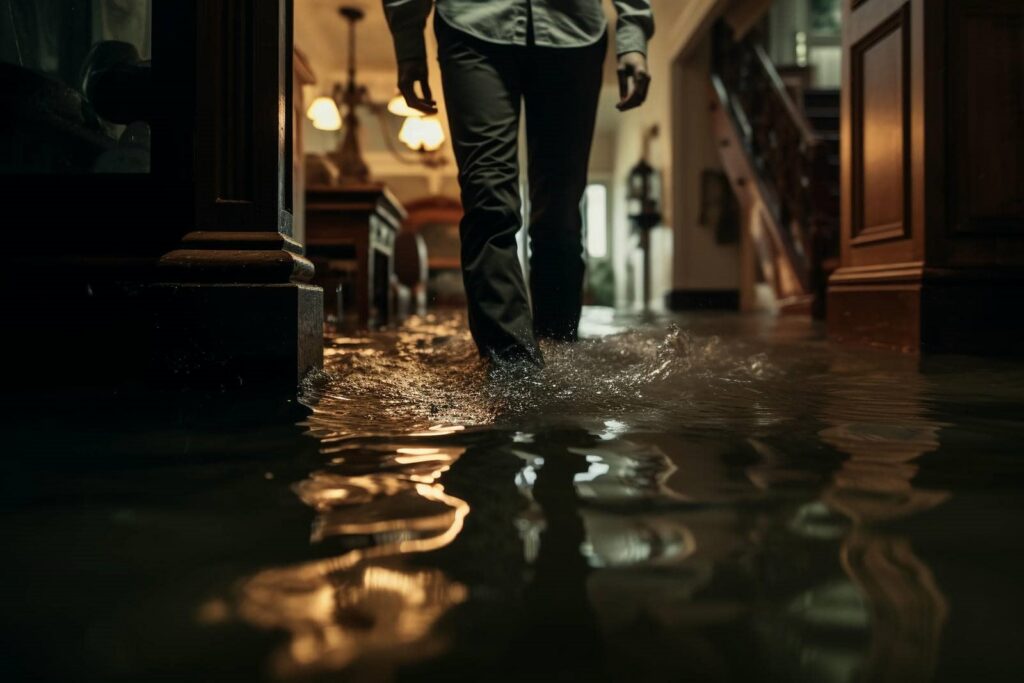
When a pipe bursts, what matters more first: water or electricity? You should shut off the main water supply and cut power to the affected area right away, then document the damage with photos for insurance. Next, remove standing water, pull out soaked items, and start drying walls, floors, and cabinets. Don’t assume hidden moisture is gone; mold can begin fast, and that’s where the next water damage restoration step becomes critical.
Key Takeaways
- Shut off the main water supply immediately to stop the burst pipe leak.
- Turn off electricity in affected areas if water reaches outlets, wiring, or appliances.
- Photograph and video all damage from multiple angles for insurance documentation.
- Remove standing water and salvage wet items using a wet/dry vacuum, mop, or pump.
- Start drying fast with fans, dehumidifiers, and open cabinets, then call restoration professionals.
Shut Off the Water and Power First
Before you do anything else, shut off the main water supply to stop the leak at the source, then cut power to the affected area if water has reached outlets, appliances, or wiring. You’re protecting your home and your crew from escalating hazards.
In water damage restoration after a burst pipe, this first move limits saturation, reduces electrical risk, and gives you a stable starting point. Find the valve at the meter or where the service line enters, turn it fully closed, and confirm the flow stops.
If you can’t reach the breaker safely, wait for an electrician or utility tech. Keep everyone clear of standing water and wet cords.
Once the area’s de-energized and dry enough to enter, you’ll be ready for cleanup with confidence and control.
Take Photos for Insurance
Once the water and power are secured, take clear photos and short videos of every affected area for your insurance claim.
Capture wide shots first, then close-ups of the burst pipe, wet flooring, damaged walls, cabinets, baseboards, and personal items. Include timestamps if your phone adds them automatically, and keep the original files unedited.
Photograph the room from several angles so the loss adjuster can verify the full scope. If you can safely do so, note visible water lines, staining, and material saturation in each image.
Save copies to cloud storage and email them to yourself for backup. Create a simple list of each room, the damage you see, and the time you documented it so your claim stays organized.
Remove Standing Water and Soaked Items
Start removing standing water right away with a wet/dry vacuum, mop, towels, or a pump if the area is safe to enter. Work from the highest dry edge toward the deepest water so you don’t spread contamination. Empty the tank or bucket often, and keep electrical cords away from moisture.
Next, gather soaked rugs, bedding, paper goods, and portable furniture. Bag or stack them on a protected surface so you can sort salvageable items from unsalvageable ones. Remove lightweight belongings first to reduce wicking and pressure on floors.
If you’re working with your crew, assign one person to water removal and another to item sorting so you move faster and stay organized. Set damaged items aside for later cleaning, disposal, or professional evaluation.
Dry Out Walls, Floors, and Cabinets
Now dry the exposed walls, floors, and cabinets as quickly as possible to limit swelling, staining, and mold growth. Open windows if weather allows, then run fans to move air across wet surfaces and out of corners.
Set a dehumidifier nearby to pull moisture from the air and speed evaporation. Remove baseboard trim only if water has wicked behind it, and leave cabinet doors, drawers, and toe kicks open so airflow reaches hidden edges.
If you have access to a wet/dry vacuum, clear moisture from seams and floor joints. Keep the area warm, but don’t use direct high heat that can warp wood or finish.
Check progress often, and keep drying equipment running until surfaces feel dry and stable to your team’s touch.
Check for Mold and Hidden Moisture
Even after visible water is gone, you still need to check for mold and hidden moisture behind walls, under flooring, and inside cabinets.
Use a moisture meter to compare affected areas with dry surfaces nearby. Look for musty odors, discoloration, swollen trim, peeling paint, and soft drywall.
Lift small sections of flooring only where you can inspect safely, and feel for cool, damp spots. Check cabinet corners, toe kicks, and the backs of baseboards, where trapped water often lingers.
If you spot fuzzy growth or dark staining, keep the area closed off so you don’t spread spores. Record what you find with photos and notes.
Careful checking now helps you protect your home and everyone who lives there.
Call a Water Damage Restoration Pro
You should assess the damage scope quickly to determine how far water has spread and which materials need immediate attention.
Contact a water damage restoration expert right away so they can bring the right equipment and containment plan.
Then coordinate the emergency response to start extraction, drying, and structural mitigation without delay.
Assess Damage Scope
A water damage restoration pro should assess the full scope of the burst pipe damage as soon as possible. You need a room-by-room review so nothing hidden slips through.
They’ll map wet materials, note saturation depth, and separate clean water from contaminated water. This gives your household a clear plan and helps you feel in control.
- Inspect walls, baseboards, and trim for swelling.
- Check flooring for lifting, buckling, or soft spots.
- Measure moisture in subfloors, framing, and insulation.
- Look for spread into closets, cabinets, and adjacent rooms.
You’ll also want pressure points identified, since trapped moisture can linger behind finishes.
A precise scope reduces guesswork, limits secondary damage, and supports smart restoration choices for your home.
Contact Restoration Experts
Call a water damage restoration pro right away so cleanup starts before moisture spreads behind walls, under flooring, and into hidden cavities.
You’ll get technicians who measure moisture, identify source materials, and choose the right extraction and drying methods for your structure.
A qualified team can document losses, protect salvageable finishes, and help you avoid secondary issues like swelling, corrosion, and microbial growth.
When you contact a reputable crew, you’re not handling this alone; you’re bringing in people who work this problem every day and know how to restore order fast.
Share what you’ve seen, where water traveled, and how long it’s been wet. That information helps them assess urgency and arrive with the right equipment, so your home moves from damage control to recovery with confidence.
Coordinate Emergency Response
Coordinate emergency response as soon as the burst pipe is discovered, because every minute counts when water is moving through structural materials. You should call a water damage restoration pro right away so your team can mobilize extraction, drying, and moisture mapping without delay.
Clear access routes, shut off power if needed, and share the pipe location, water source, and affected rooms. A coordinated response helps everyone on-site work from the same plan:
- Identify the leak source.
- Protect occupants and belongings.
- Remove standing water.
- Start structural drying.
When you bring in trained specialists quickly, you’re not handling the crisis alone. You’re joining a response that limits secondary damage, reduces mold risk, and gives your home a faster, safer recovery.
Frequently Asked Questions
What Should I Do Before Entering the Flooded Area?
Check for electrical hazards, gas leaks, and structural damage before you enter. Wear boots, gloves, and eye protection. Shut off power if it’s safe, and don’t step into standing water near outlets.
How Long Does Insurance Usually Take to Process a Claim?
Most claims take 7–30 days, though complex losses can take longer. You’ll speed things up by documenting damage, submitting receipts, and staying responsive. If your adjuster needs inspections, expect extra time.
Can I Stay in the House During Water Damage Cleanup?
You can stay, if you’ve got safe power, dry floors, and controlled mold risk. You’ll need isolation, ventilation, and clear access for crews. If conditions worsen, leave immediately; your home’s safety comes first.
What Personal Items Can Be Saved After Pipe Damage?
You can often save hard, nonporous items like metal, glass, plastic, sealed wood, and some electronics if you power them off fast. You’ll need to salvage photos, documents, and textiles only if they dried quickly.
How Do I Choose a Reliable Restoration Company?
You choose a reliable restoration company by verifying IICRC certification, insurance, references, and 24/7 response. You’ll want clear estimates, moisture monitoring, and documented procedures, so you feel confident they’ll restore your space properly.
Wrap-Up
You’ve likely heard that quick drying alone stops most burst-pipe damage, but that’s only partly true. In practice, you need to shut off water and power, document the loss, remove standing water, and dry materials fast. Even then, moisture can stay hidden in wall cavities, cabinets, and subfloors. Use meters, not guesswork, to check for dampness. If you suspect mold or structural damage, call a restoration pro right away.