
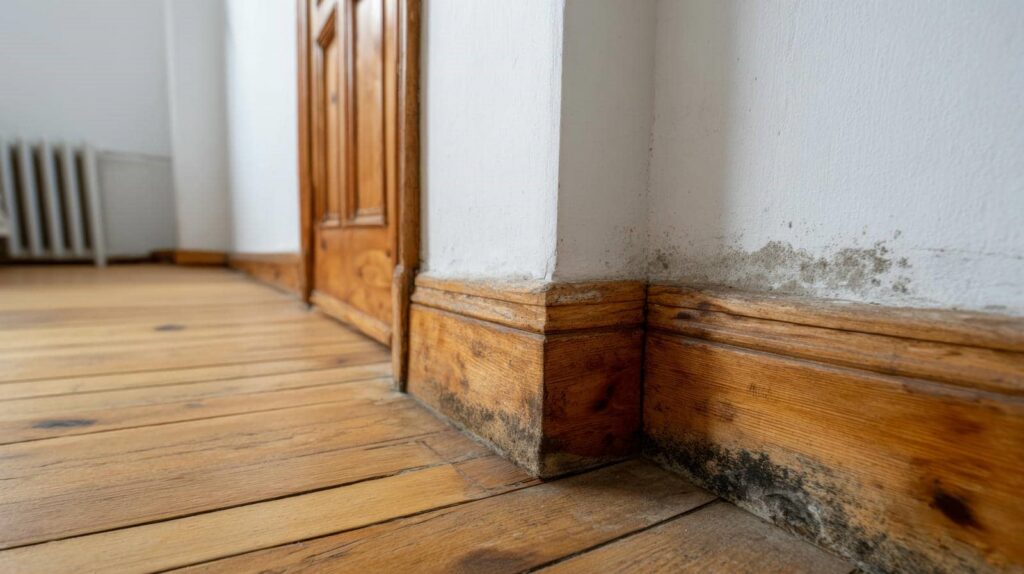
Roughly 1 in 4 homes will experience signs of water damage in walls, and the wall often shows it first. You might notice yellow-brown stains, peeling paint, soft drywall, or warped surfaces before any repair begins. A musty odor can point to hidden moisture, while cool spots near plumbing may signal an active leak. If you catch these signs early, you can limit damage—but the real question is what’s already happening behind the surface.
Key Takeaways
- Look for discoloration, yellow or brown stains, bubbling paint, or peeling wallpaper on walls and ceilings.
- Check for soft, swollen, or spongy drywall that may indicate moisture has weakened the wall structure.
- Notice musty odors or damp air, which often signal hidden water damage behind finishes or inside walls.
- Watch for warped surfaces, bowed panels, or swollen baseboards and trim near plumbing or windows.
- Inspect for visible mold, dark spots, or recurring leaks, and call a professional if damage keeps spreading.
Common Signs of Water Damage in Walls
Common signs of water damage in walls often show up as discoloration, peeling paint, bubbling wallpaper, soft or swollen drywall, and a musty odor.
You should inspect these signs of water damage in walls early, because hidden moisture can weaken framing, insulation, and finishes. If you notice cool spots, warped surfaces, or recurring dampness near plumbing, you’re likely seeing an active leak path.
Check baseboards, corners, and areas around windows or fixtures for structural changes or surface movement. You don’t need to wait for visible collapse to act. A prompt assessment helps you protect your home and stay part of a community of informed, prepared property owners.
Document the affected area, limit water exposure, and arrange professional moisture testing before restoration begins.
Stains, Streaks, and Peeling Paint
Stains, streaks, and peeling paint often signal that moisture has reached the wall surface and started breaking down the finish. You may notice yellow, brown, or rust-colored marks forming near ceilings, windows, or plumbing lines.
As water travels, it can leave vertical streaks that show the path of seepage. Paint may bubble, flake, or lift at the edges, especially where humidity stays elevated.
When you see these changes, inspect the area promptly and document what you find. You’re not alone in facing this issue; these visible clues help you catch hidden damage early.
Addressing the source quickly can limit further deterioration, support a smoother restoration process, and protect the structure behind the wall.
Soft Spots, Swelling, and Warping
Soft spots, swelling, and warping often mean moisture has soaked into the wall material and weakened its structure. When you press the surface, it may feel spongy or give slightly, showing that drywall or plaster has lost rigidity.
Swollen joints, bowed panels, and uneven edges can also signal that water’s been present long enough to change the wall’s shape. You should treat these changes as structural warnings, not cosmetic flaws.
Check baseboards, corners, and seams for distortion, since those areas often show damage first. If the wall feels unstable or looks out of plane, stop stressing it and document the area.
You’ll help your restoration team assess the extent of the damage and plan repairs that protect your space and keep your home safe.
Mold, Musty Smells, and Hidden Moisture
If you notice a persistent musty odor or visible mold growth, hidden moisture is likely lingering inside the wall. You may see dark spots, fuzzy patches, or discoloration around trim, baseboards, or drywall seams.
These signs often mean water has stayed trapped long enough for spores to develop. You can’t rely on surface dryness alone, because moisture can remain behind finishes and insulation.
When you smell damp air after cleaning or ventilation, that odor often points to active microbial growth inside the cavity. In a well-maintained home, you should expect clean, neutral air and dry wall surfaces.
If you find mold, keep the area isolated and document what you see. That helps you stay informed and prepares your space for proper restoration.
How to Tell Wall Damage Is Getting Worse
You can tell wall damage is getting worse when water stains spread beyond their original edges or darken over time.
Bubbling paint, peeling finishes, and new cracks often show that moisture is still active behind the wall.
If you see these changes, you’re likely dealing with ongoing deterioration that needs prompt attention.
Expanding Water Stains
When water stains keep spreading across a wall, the leak is likely still active and the damage is worsening.
You’ll usually see the discoloration darken, widen, or move beyond the original boundary as moisture continues to travel through drywall or plaster.
Watch for irregular edges, new rings, or fresh damp areas after each inspection. If the stain grows after rain, plumbing use, or HVAC cycling, you’re dealing with an ongoing source, not old residue.
Mark the perimeter with pencil and check it daily to confirm progression.
Expanding stains also suggest moisture is saturating deeper materials, so you should act quickly to protect the wall assembly and nearby finishes.
Early documentation helps your restoration team assess the source, scope, and urgency with confidence.
Bubbling Paint And Cracks
Bubbling paint and widening cracks often mean moisture is pushing through the wall and breaking down the surface layer. You may see raised blisters, peeling edges, or hairline cracks turning into visible splits.
That pattern tells you the wall isn’t just stained; it’s actively weakening. If you press the area, it may feel soft, hollow, or damp.
In your home, these changes usually spread near windows, ceilings, or plumbing lines. Don’t ignore fresh cracks that reappear after repair, because water pressure keeps reopening them.
You’re not dealing with cosmetic wear anymore; you’re seeing structural stress. Document the damage, limit further exposure, and bring in a restoration professional so your walls can dry properly and your space can stay safe, stable, and welcoming.
Find the Leak Before You Fix the Wall
Before you repair the wall, trace the moisture source so you’re not covering up an active leak. Start with the obvious paths: plumbing lines, window edges, roof penetrations, and exterior seams.
Check for staining, damp baseboards, soft drywall, and musty odors, then compare those clues with nearby fixtures or weather exposure. You can use a moisture meter to map the wet area and confirm whether the wall is still taking in water.
Mark the highest reading, because that often sits closest to the entry point. If you seal or paint too soon, you trap moisture and invite more damage.
When you identify the source first, you protect the repair, save time, and join the smart homeowners who fix the cause, not just the symptom.
When to Call a Water Damage Pro
Call a water damage pro if the leak keeps returning, the drywall feels soft or saggy, or the affected area is larger than you can safely dry yourself.
You should also call for help when you smell persistent mustiness, see staining that keeps spreading, or notice swelling around baseboards and trim.
A pro can measure moisture inside the wall, locate hidden water paths, and prevent mold from taking hold.
If plumbing, roofing, or exterior drainage problems are involved, you’ll save time by bringing in a trained team early.
You don’t have to handle every issue alone; the right specialists work with you, protect your home, and help your space get back to normal with less risk and less stress.
Frequently Asked Questions
Can Water Damage Affect Electrical Outlets Inside Walls?
Yes, it can. You’ll risk shorts, corrosion, and shock if moisture reaches outlets inside walls. Turn power off, avoid using them, and have a licensed electrician inspect and replace damaged components fast.
How Soon Should You Inspect Walls After a Plumbing Leak?
You should inspect walls immediately, ideally within hours after a plumbing leak; coincidentally, quick checks often reveal hidden moisture before it spreads. You’ll protect your space, reduce repairs, and keep your team confident.
Are Certain Wall Materials More Vulnerable to Water Damage?
Yes—drywall, plaster, and untreated wood usually absorb water fastest, so you’ll see damage sooner. You’ll protect your walls better with moisture-resistant materials like cement board, sealed plywood, and properly coated framing.
Can Humidity Alone Cause Wall Damage That Looks Like a Leak?
Yes, humidity can swell paint, soften drywall, and darken joints, mimicking a leak. You should check moisture readings, look for condensation patterns, and compare affected areas, so you’ll spot the real source faster.
Does Insurance Usually Cover Hidden Wall Water Damage?
Usually, yes, if you’ve got sudden, accidental water damage, but not gradual leaks or poor maintenance. You should review your policy, document the damage, and call your insurer promptly to confirm coverage.
Summary
When you spot stains, peeling paint, soft drywall, or that musty scent, you’re already seeing the first clues of a wall problem. Don’t let a hidden leak become the house version of Pandora’s box. Act quickly, document the damage, and trace the source before repairs begin. If the wall keeps swelling, darkening, or smelling worse, you’ll need a water damage pro to stop the spread and protect your home.