
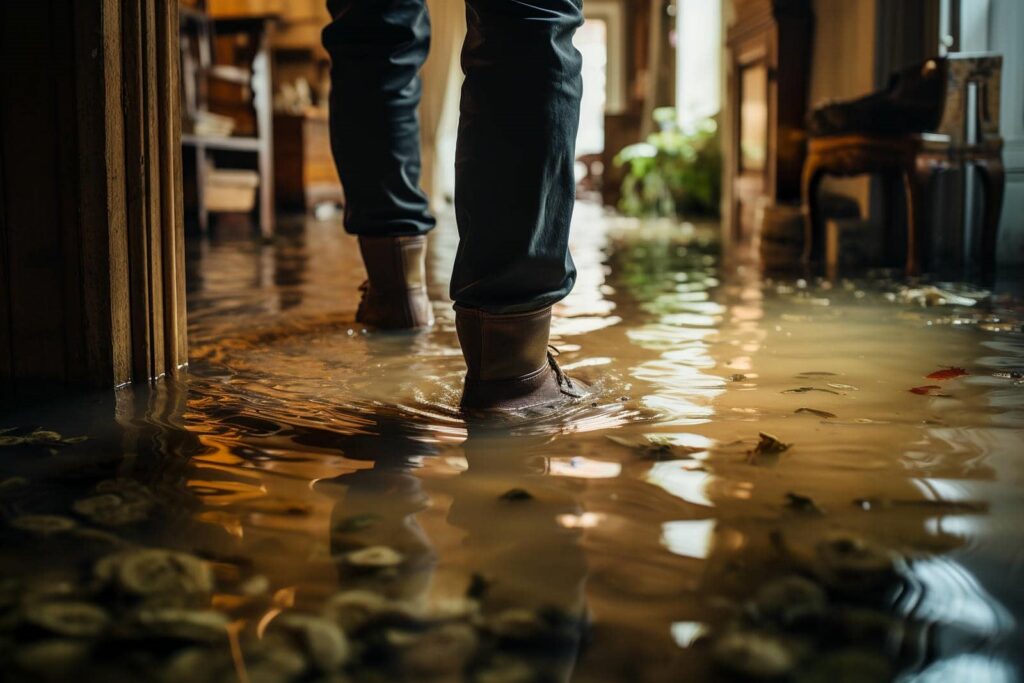
If your home has water damage, you’re probably asking how long restoration will take, and the answer depends on what got wet, how much water entered, and how fast you act. In many cases, you can start with inspection and extraction within 24 hours, but drying, cleanup, and repairs can stretch from a few days to several weeks. The real timeline often isn’t obvious at first, and that’s where the important details begin.
Key Takeaways
- Water damage restoration usually starts with inspection, water extraction, and stopping the source of water if it is still active.
- Initial drying often takes 24 to 72 hours, but can extend to a week or more depending on materials and moisture levels.
- Cleanup and disinfection follow drying, especially for gray water or sewage, and hidden moisture must be addressed to prevent mold.
- Minor repairs may take a few days, while larger restoration projects can take one to three weeks or longer.
- Damage severity, water type, affected materials, and response speed all strongly affect the total restoration timeline.
Water Damage Restoration Timeline
A water damage restoration timeline usually starts with inspection and water extraction, then moves into drying, cleaning, repairs, and final verification.
You’ll often ask how long does water damage restoration take, and the answer depends on the scope of the work, but this sequence gives you a reliable framework.
Your team first documents damage, removes standing water, and places air movers and dehumidifiers to control moisture.
Next, technicians clean affected surfaces, sanitize materials, and monitor humidity until readings stabilize.
After that, they repair or replace damaged drywall, flooring, and trim so your home feels whole again.
Final checks confirm moisture levels, safety, and workmanship.
When you understand each stage, you can stay informed, prepared, and confident throughout recovery.
What Changes the Restoration Timeline?
Your restoration timeline depends on the water source, since clean water, gray water, and sewage each require different cleanup and safety steps.
The extent of the damage also matters, because a small, contained leak dries faster than water that’s spread through walls, flooring, and insulation.
Different materials dry at different rates, so your project can move faster or slower based on what’s affected and how long it stays wet.
Water Source Type
The water source plays a major role in how long restoration takes, because clean water, gray water, and sewage each require different safety steps and cleanup methods.
If you’re dealing with clean water from a supply line or appliance, crews can usually start drying sooner. Gray water from sinks, laundry, or dishwashers needs more careful handling, so you may see extra sanitizing time.
Sewage, however, demands the most protection, since it carries harmful contaminants and often requires removing affected materials before drying can begin. That added safety work slows the schedule, but it keeps your home and everyone in it safer.
When you understand the source, you can better predict the pace, coordinate access, and feel more confident during restoration.
Damage Extent
Damage extent is one of the biggest factors that changes how long water damage restoration takes, because a small leak in one room needs far less work than widespread flooding or damage that reaches walls, ceilings, and subfloors.
If water stays contained, you can often move through assessment, extraction, and cleanup quickly. When it spreads behind finishes or into multiple rooms, your crew has to inspect more areas, remove more materials, and verify that hidden moisture didn’t migrate further.
You’ll usually see longer timelines when damage affects structural parts of your home or creates safety concerns.
The good news is that a clear scope lets your restoration team plan efficiently, keep you informed, and help you get your home back to normal with less disruption.
Material Drying Time
Material extent often sets the scope, but the actual drying phase can still add or shave off days from the restoration timeline. You’ll usually wait 24 to 72 hours for surface drying, but structural materials can take several days longer.
Drywall, subflooring, insulation, and framing each hold moisture differently, so your crew will test them with meters instead of guessing. Warm air, strong dehumidification, and steady airflow speed things up; cool rooms, high humidity, and trapped water slow everything down.
If water sat for hours, porous materials may need removal before the rest of the space can dry. You’re not just drying a room—you’re protecting your home’s structure, indoor air, and your peace of mind.
With the right setup, you can stay informed and move forward confidently.
What Happens in the First 24 Hours?
During the first 24 hours, you’ll see the most critical work begin right away: technicians inspect the affected areas, stop the source of water if it’s still active, extract standing water, and start drying materials before moisture can spread deeper.
You’ll also get a clear plan so you know what’s happening and why. Crews document damage, remove unsalvageable items, and set up containment to protect clean spaces. They may open access points for airflow and check for hidden moisture in walls, floors, and cabinets.
- Inspect and document damage
- Remove water and damaged contents
- Protect unaffected rooms
This fast response helps reduce secondary damage and keeps your home recovery on track.
You’re not dealing with it alone; the process is organized to help your space feel safe again.
How Long Water Damage Drying Takes
Drying usually takes anywhere from a couple of days to more than a week, depending on how much water entered your space and which materials were affected.
You’ll also see the timeline shift with airflow, humidity, temperature, and how quickly you start extraction and dehumidification.
With the right equipment and monitoring, you can expect steady progress rather than guesswork.
Drying Time Factors
How long drying takes depends on how much water entered the space, what materials got soaked, and how quickly extraction started.
You’ll usually see faster results when crews remove standing water early and set up air movers and dehumidifiers right away. Porous materials hold moisture longer, so drywall, carpet pad, insulation, and wood framing can extend the process.
Temperature, airflow, and indoor humidity also matter, because they change how fast moisture leaves surfaces and hidden cavities.
- Less water means less evaporation work
- Dense materials dry slower than hard surfaces
- Good airflow helps your space recover
You’re not alone in this process; a thorough moisture check helps confirm when your home is ready for cleanup and repair, so you can move forward with confidence.
Typical Drying Timeline
Most homes need about 24 to 72 hours for initial drying, though larger or more severe losses can take several days longer.
You’ll usually see surface moisture drop first, while hidden water in subfloors, insulation, and wall cavities takes longer to remove.
Your mitigation team should monitor moisture levels daily with meters, not guess by feel.
If you act fast, improve airflow, and keep humidity low, you’ll shorten the timeline and reduce secondary damage.
After drying, you may still need cleaning, sanitizing, and repairs, which can add days or weeks.
If materials stay wet too long, you risk mold and structural issues.
Stay in close contact with your restoration crew so you know what’s done, what’s next, and where your home stands.
What Happens During Cleanup and Sanitizing?
Once the standing water is removed and affected areas start to dry, technicians move into cleanup and sanitizing to reduce contamination and prevent mold growth.
They’ll remove debris, wipe away mud and residue, and clean surfaces with approved solutions so your home feels safe again. You can expect them to inspect hidden pockets, treat porous materials, and use HEPA vacuums when dust or contaminated particles linger.
This step helps protect your household and supports a healthier recovery.
- Clean hard surfaces with disinfectant
- Deodorize spaces affected by moisture
- Document areas needing close monitoring
You’re not handling this alone; your restoration team works methodically, explains each step, and keeps the process organized.
That steady approach gives you confidence while your home returns to normal.
How Long Repairs and Replacements Take
After cleanup and sanitizing, the focus shifts to repairs and replacements, which can add days or weeks depending on the damage.
You’ll usually see small fixes first: patching drywall, replacing insulation, resetting baseboards, and reinstalling trim. If cabinets, flooring, or subflooring were soaked, those parts may need full replacement to keep your home safe and sound.
A straightforward room repair often takes a few days once materials arrive, while larger areas can take one to three weeks or more.
You’re not alone in this stage; a good restoration team coordinates carpentry, painting, and finish work so everything lines up correctly.
When each system is rebuilt with care, you get back to a home that feels stable, dry, and ready for everyday life.
What Can Delay Water Damage Restoration?
Several factors can slow water damage restoration, including how much water entered the space, how long it sat before drying started, and whether materials like drywall, insulation, or flooring need removal.
You may also see delays when hidden moisture remains in wall cavities, under cabinets, or beneath subfloors, because crews must confirm the structure is truly dry before moving on. That’s normal, and it protects your home from future problems.
- Saturated porous materials can trap moisture.
- Mold concerns may require extra inspection.
- Electrical or plumbing issues can pause access.
You’re not dealing with this alone; a thorough team will track conditions, document progress, and keep you updated.
The more complex the damage, the longer each phase may take, but careful work helps your home recover correctly and safely.
How to Speed Up Water Damage Restoration
You can help water damage restoration move faster by acting quickly and staying organized.
Shut off the water source, if you can do it safely, and call a qualified restoration team right away. Document the damage with photos, then move valuables, dry textiles, and clear access to affected rooms.
Open windows only if outdoor humidity is low; otherwise, let professional dehumidifiers and air movers do the work. Remove small amounts of standing water with mops or wet vacs, but don’t use household fans that spread moisture into hidden cavities.
Keep pets and family members out of wet areas so crews can work efficiently. Stay in close contact with your insurer and contractor, approve decisions promptly, and ask for a drying plan.
A coordinated response helps your home get back to normal sooner.
Frequently Asked Questions
Does Homeowners Insurance Cover Water Damage Restoration?
Usually, yes—if you’ve got sudden, accidental water damage. You’ll want to check your policy for exclusions, like flooding or neglect, and file promptly so you can get restoration help faster.
Can I Stay in My Home During Water Damage Restoration?
Sometimes, you can stay home if the damage is contained and crews isolate the area. You’ll need good ventilation, safe power, and low humidity. For major flooding, you should relocate until drying and repairs finish.
How Much Does Water Damage Restoration Cost?
You’ll usually pay $1,200–$5,000, but minor jobs can cost less and major flooding much more. You’ll get better results if you act fast, document damage, and work with a trusted restoration team.
Should I Call a Plumber Before a Restoration Company?
Yes—call a plumber first if you suspect an active leak; they’ll stop the source. Then you can bring in a restoration company to dry, clean, and repair your home safely, faster, and with less stress.
When Should I Replace Carpet After Water Damage?
You should replace carpet after water damage if it stayed wet over 48 hours, shows mold, or has sewage contamination. You can often save it sooner with rapid extraction, dehumidification, and professional inspection.
Review
If you’re dealing with water damage, think of restoration like stopping a leak in a boat: the faster you act, the less you sink. In most homes, the process takes a few days to several weeks, depending on the water source, materials, and extent of damage. The first 24 hours matter most, so start extraction and drying right away. With quick action, you can limit delays, reduce repairs, and get your home back sooner.