
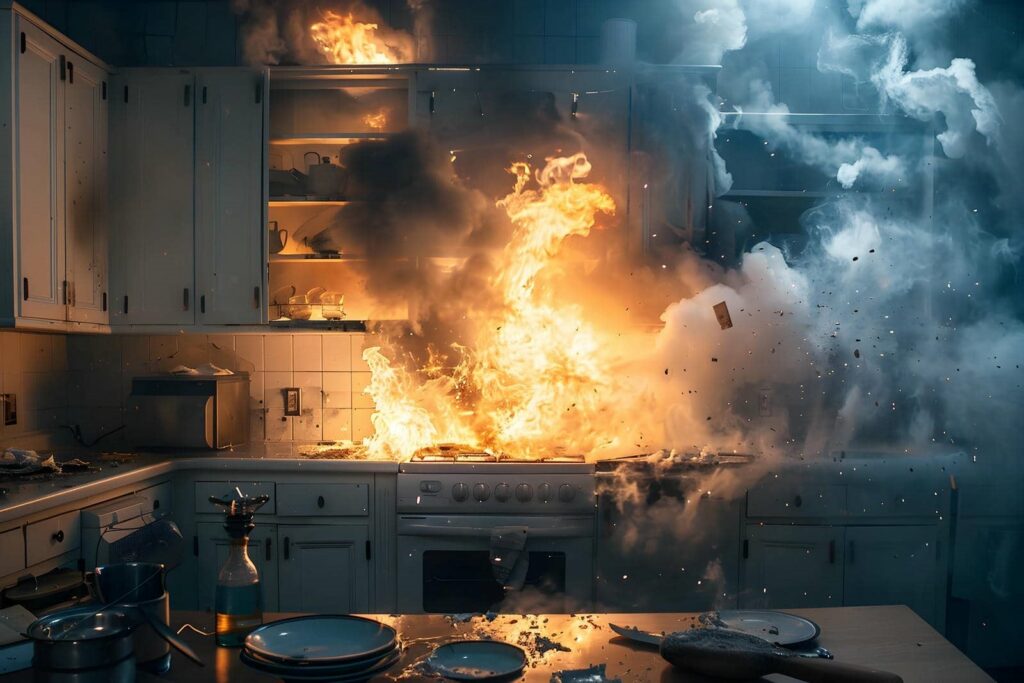
Before cleanup begins, treat your fire-damaged property like a locked vault that still holds clues, risks, and decisions. You’ll want to secure the site, shut off utilities, and document every visible sign of damage before anything gets moved. Then you can contact your insurer, ventilate safely, and sort out what can be saved. The next steps may seem urgent, but one choice can protect the rest…
Key Takeaways
- Make sure everyone is out, utilities are shut off if safe, and the property is secured against further damage or entry.
- Take clear photos and videos of fire damage, room by room, and save copies for insurance records.
- Contact your insurer promptly to start the claim and record the claim number, adjuster, and instructions.
- Ventilate carefully and avoid damaged utilities until professionals inspect and clear the site.
- Choose a licensed fire cleanup contractor, request written estimates, and set aside fragile keepsakes for special handling.
Secure the Property
Before you let fire cleanup begin, make sure you secure the property. Start by checking that everyone’s out and that utilities stay off until a qualified professional clears them.
If doors, windows, or gates are damaged, close them as best you can and add temporary locks or boarding to keep out weather and trespassers. Move only if it’s safe, and keep walkways clear for responders and crews.
If neighbors or family can help, ask them to watch the site until you return. Taking these steps helps protect what’s left and supports a calmer recovery.
When you’re figuring out what to do before fire cleanup starts, remember that securing the space first gives you a safer, steadier place to begin.
Document Fire Damage
Once the property is secure, start documenting the fire damage as soon as it’s safe to enter.
Walk through carefully and take clear photos and videos of every affected room, wall, ceiling, floor, and item. Capture wide shots first, then close-ups of burned surfaces, smoke staining, water damage, broken windows, and warped materials.
Make short notes about what you see, where it’s located, and anything that looks unsafe. Keep your recordings organized by room so you can track the full impact without feeling overwhelmed.
If you can, save digital copies in more than one place. This record helps you stay grounded, share accurate details with the right people, and move through recovery with your family or team with confidence, clarity, and support from those around you.
Call Your Insurer
As soon as you can safely do so, call your insurer to report the fire and start the claims process. Have your policy number ready, and give a clear, factual summary of what happened.
Ask what your coverage includes, what they need from you, and whether they want photos, receipts, or a damage list. Write down the claim number, the adjuster’s name, and every instruction you receive.
If you’re unsure about a term or next step, ask for plain language. You don’t have to figure this out alone; your insurer should help you move forward.
Keep all follow-up messages and paperwork together so you can stay organized and supported as cleanup begins.
Shut Off Gas, Power, and Water
If it’s safe to do so, shut off the gas, power, and water to reduce the risk of further damage or injury. You’re protecting your home and everyone who helps you through this hard moment.
Follow these steps:
- Turn off the main gas valve only if you know how and don’t smell gas.
- Switch off electricity at the main breaker to limit shock and fire risks.
- Close the water main to help prevent flooding and extra damage.
If any utility seems damaged, leave it alone and wait for professionals.
Keep family members, neighbors, and responders informed so everyone stays on the same page. Taking these calm, simple actions can make cleanup safer and help you feel more in control.
Ventilate the Space Safely
Once it’s safe to enter, open windows carefully to let fresh air move through the space.
Keep doors controlled and avoid stirring up soot or spreading contaminants to other rooms.
If the air feels heavy or irritants worsen, step back and wait for professional guidance.
Open Windows Carefully
Before you open any windows, check that it’s safe to ventilate the space. If smoke has cleared enough and conditions allow, open windows a little at a time so fresh air can move through your home without causing a sudden rush. You’re not alone in wanting a calm, manageable start.
Start with rooms you use most.
Open one window on each side if you can.
Pause if you feel dizzy or notice worsening odors.
Keep the openings small at first, and listen to how the space feels. If weather, security, or damage makes opening them risky, wait for help. A careful approach lets you support recovery while staying steady and protected.
Avoid Contaminant Spread
As you ventilate the space, keep contamination from spreading to cleaner areas. Close doors to unaffected rooms, and if you can, seal gaps with plastic sheeting and tape.
Use fans only when they pull smoky air outside, not through hallways or into other rooms. Keep vents, returns, and ducts closed until professionals inspect them.
Wear gloves, a mask, and sturdy shoes when you move through damaged areas, so you don’t track soot to safe spaces. Set a clean path for anyone helping you, and remind them to avoid touching surfaces unnecessarily.
If you need to sort belongings, do it in one contained area. These small steps protect your home and help your crew work with confidence. You’re taking smart, steady action, and that matters.
Salvage Safe Items
If it’s safe to do so, start by gathering important items that weren’t damaged by fire, smoke, or water. Focus on things you can move without risking your safety or disturbing soot. Set them aside in a clean, dry space where they’ll stay protected and easy to find.
You’re not trying to sort everything now; you’re just giving your household a few dependable anchors.
- Keep documents, keys, and IDs together.
- Collect jewelry, photos, and keepsakes.
- Save electronics only if they look dry and intact.
Bag or box each item separately, and label it clearly. If something feels fragile, stop and leave it for professionals.
You belong in this process, and careful choices now can make recovery feel steadier.
Decide What to Clean First
Start with the most hazardous areas, like spaces with soot, water, or structural damage, so you can reduce risk right away.
Next, protect any unaffected rooms by keeping them sealed off from dust and debris.
Then sort your high-value items and clean the ones that need the quickest attention first.
Prioritize Hazardous Areas
Before you clean anything, identify the most hazardous areas and handle those first. You’ll move safer and feel more in control when you focus on spaces that can cause immediate harm.
Start with spots that smell strongly of smoke, have wet debris, or show visible charring and broken materials. If you’re unsure, ask for help from a trusted cleanup professional.
Check areas with standing water or soaked materials.
Look for rooms with heavy soot, ash, or strong odors.
Note damaged ceilings, wiring, or unstable surfaces.
Work in order of risk, not convenience. This helps you protect your household and make steady progress.
You’re not doing this alone; many property owners begin the same way, one careful step at a time.
Protect Unaffected Spaces
Once you’ve identified the most damaged areas, turn your attention to the spaces that are still clean or lightly affected. Close doors to these rooms and block off traffic with tape, towels, or temporary barriers. This helps you keep soot, ash, and moisture from spreading into areas you can still preserve.
If you can, cover flooring and furniture with clean plastic sheets or clean cloths before anyone walks through. Keep windows shut unless ventilation is needed for safety. Set aside a clear entry path so you and helpers don’t track residue inside.
Triage High-Value Items
Next, sort your salvageable belongings by what matters most, what’s safest to move, and what needs immediate attention. You’re not trying to save everything at once; you’re making smart choices that protect irreplaceable items and keep you grounded.
Work with a steady pace and trust your priorities.
Secure documents first: Grab IDs, deeds, insurance papers, photos, and digital backups if you can reach them safely.
Protect valuables: Set aside jewelry, family heirlooms, laptops, and medications that need quick handling.
Flag fragile keepsakes: Note art, books, textiles, or collectibles that need professional cleaning.
Keep a simple list, label boxes, and tell helpers what stays and what goes. This step helps your recovery team focus quickly and keeps your family’s most meaningful items within reach.
Choose a Fire Cleanup Contractor
How do you choose the right fire cleanup contractor? Start by looking for a team that specializes in fire damage, smoke removal, and odor control.
Ask for proof of licensing, insurance, and training, then check reviews and local references. You want a contractor who explains the cleanup plan clearly, answers your questions, and works with your insurance company.
Request a written estimate that lists scope, timeline, and costs so you can compare options with confidence. Make sure they can secure the site, protect salvageable items, and handle debris safely.
Choose someone who communicates promptly and treats you with respect. When you find a dependable crew, you’ll feel less alone and more ready to move forward together.
Frequently Asked Questions
How Soon Should I Notify My Mortgage Lender After a Fire?
Notify your mortgage lender as soon as possible, ideally within 24 hours. You’ll protect your account, speed up insurance coordination, and avoid payment issues. Call, explain the fire, and ask what documents they need.
Can I Stay in My Property Before Cleanup Begins?
Usually, you can’t safely stay there. After one smoky apartment fire, a family’s quick exit prevented illness. You should check with authorities, confirm utilities, and enter only if they’ve cleared the property.
What Permits Are Needed for Fire Debris Removal?
You’ll usually need local demolition, hauling, and environmental permits, plus utility and stormwater approvals if required. Check with your city, county, and fire department first, since rules vary and you don’t want delays.
How Do I Handle Mail and Deliveries After a Fire?
You should pause deliveries, set up mail forwarding, and tell your carrier your temporary address. Check with neighbors or family for urgent items, and update accounts so you don’t miss bills, notices, or support.
Should I Replace Smoke-Damaged Clothing Before Cleaning Starts?
No, you don’t need to replace it right away. You can bag smoke-damaged clothing, separate salvageable items, and wait for cleaning guidance. If fabrics smell or irritate you, discard them and trust your comfort.
Final Thoughts
Before cleanup starts, secure your property, shut off utilities, and document the damage so you have a clear path forward. Call your insurer right away, then ventilate the space safely and salvage only the items you can protect. Tackle the most important areas first, and choose a fire cleanup contractor you can trust. If you stay organized now, you’ll keep one foot in front of the other and make recovery feel far more manageable.