
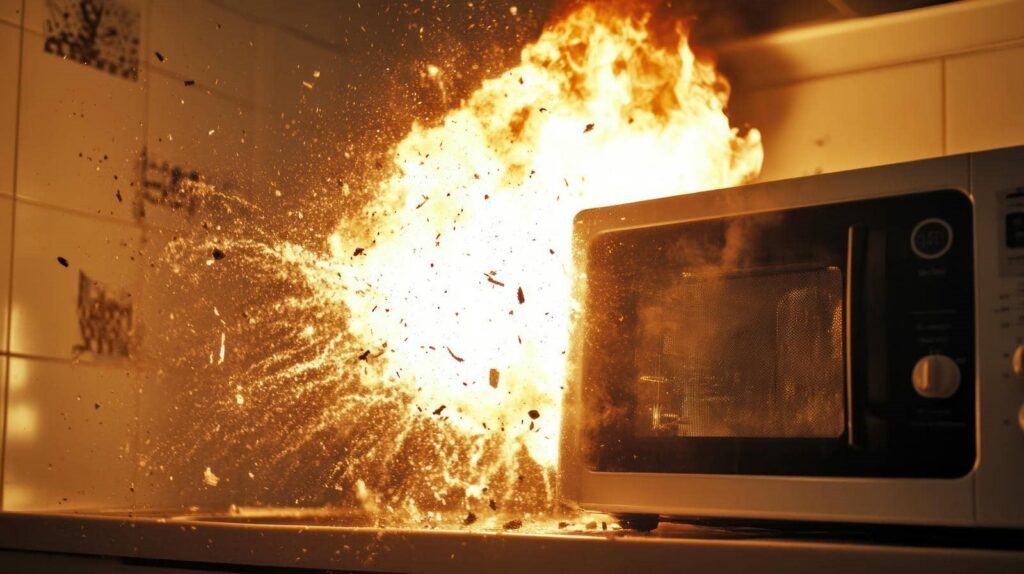
If you’re facing fire damage, the cleanup cost isn’t a single number—you’re paying for labor, equipment, soot removal, deodorization, and sometimes demolition. The bill can climb fast when smoke reaches hidden cavities or water from firefighting adds another layer of damage. Insurance may cover part of it, but only if the loss is documented correctly. The real cost depends on what the damage has spread into next.
Key Takeaways
- Fire cleanup costs depend on damage severity, soot spread, restoration scope, labor time, and specialized equipment needs.
- Minor fire damage usually costs less because it involves surface cleaning and odor treatment only.
- Moderate damage often requires cleaning multiple rooms, sealing surfaces, and more labor-intensive deodorization.
- Severe damage is the most expensive because it may need demolition, extensive odor removal, and reconstruction coordination.
- Quick action, containment, and prioritizing salvageable items can reduce smoke, water, and mold remediation costs.
What Drives Fire Cleanup Costs?
Fire cleanup costs depend on how severe the damage is, how far soot and smoke have spread, and what level of restoration the property needs.
You’ll see the cost of professional fire cleanup rise when technicians must remove residue from walls, ceilings, ductwork, and contents. Crews also factor in odor control, debris disposal, structural drying, and specialized cleaning for sensitive materials.
If your property needs demolition, content pack-out, or reconstruction coordination, pricing increases because the scope expands. Labor time, equipment use, and containment requirements all affect the final bill.
You’re not alone in this process; reputable restoration teams assess the site, document losses, and give you a clear estimate. Accurate evaluation helps you compare bids and choose the right partner for recovery.
Fire Cleanup Costs by Damage Severity
When damage is minor, cleanup often stays limited to surface soot removal, odor treatment, and targeted cleaning, so your costs remain relatively low. You can usually expect a focused crew, modest labor hours, and fewer supplies.
With moderate damage, professionals must clean more rooms, seal affected surfaces, and address lingering smoke residue, which pushes pricing higher.
Severe damage changes the scope entirely: you may need demolition of unsalvageable materials, structural drying, content handling, and extensive deodorization. At that level, costs rise quickly because technicians spend more time, use specialized equipment, and coordinate multiple trades.
If you’re comparing estimates, look for clear scope definitions so you and your contractor stay aligned. That transparency helps your team make confident, informed decisions during recovery.
How Soot Spread Raises Cleanup Costs
As soot spreads beyond the burned area, cleanup costs climb because technicians have to treat more surfaces, not just the directly damaged ones. You’re paying for inspection, containment, and detailed cleaning on walls, ceilings, trim, HVAC components, and contents.
Fine particles move through air currents and settle in seams, textures, and hidden cavities, so crews must use specialized methods to remove them without driving them deeper. The broader the spread, the more labor hours and cleaning chemistry you need. You also face more pre-clean testing and post-clean verification to confirm residue’s gone.
In practice, a small burn can stay localized, but drifting soot turns one room into a whole-property project. If you’re part of a recovery-minded homeowner group, this is the kind of scope that quickly shifts pricing upward.
Insurance, Odor, and Repairs Add Costs
Even after soot is controlled, your cleanup bill can rise from insurance handling, lingering odor removal, and repair work.
You’ll often pay more when adjusters need documentation, estimates, and follow-up inspections, because delays add labor and extend equipment use.
Odor issues can also persist in porous materials, so technicians may need targeted treatment that increases total cost.
When fire, smoke, or water damage affects finishes, you may face repair charges beyond cleanup itself.
- Insurance coordination can add administrative time.
- Odor mitigation can require repeated applications.
- Minor repairs can escalate into multi-trade work.
- Longer timelines can increase overall invoice totals.
If you’re dealing with this, you’re not alone; these line items are common after fire loss and they matter.
What Cleanup Services Include
Professional fire cleanup typically includes debris removal, soot and smoke residue cleaning, odor control, structural drying, and surface decontamination, along with pack-out, contents cleaning, and air purification when needed.
You’ll usually start with a damage assessment so the crew can isolate unsafe areas, protect intact rooms, and map contamination. Technicians then remove charred materials, HEPA-vacuum loose particulates, and apply specialized agents to walls, ceilings, and hard surfaces.
If moisture from suppression remains, they dry affected assemblies to limit secondary damage. They also neutralize odors at the source, not just mask them.
When your contents can be salvaged, they’re inventoried, cleaned, and stored off-site. This coordinated process helps you restore a cleaner, safer environment and keeps your property on track for recovery.
Fire Cleanup Costs by Material Type
Cleanup scope affects price, and material type often drives that difference. You’ll usually pay more when fire damages porous, layered, or specialty finishes, because crews must test, clean, and sometimes remove them.
Expect variation across common materials:
Drywall and insulation: low to moderate costs, depending on soot penetration.
Wood framing and trim: moderate costs, since cleaning must protect structure and finish.
Metal and glass: lower costs, because surfaces resist absorption and respond well to decontamination.
Fabrics, carpet, and upholstery: higher costs, due to deep residue and replacement thresholds.
When you understand these categories, you can plan with confidence and compare bids fairly.
Your restoration team should explain material-specific methods, so you stay informed, aligned, and ready to move forward.
When Smoke Odor Removal Costs More
Smoke odor removal costs more when lingering odor sources remain in porous materials, HVAC systems, or concealed cavities after the fire.
You can also face higher charges when smoke has penetrated hidden wall assemblies, insulation, or structural voids that standard cleaning can’t reach.
In those cases, you’ll need advanced deodorization methods such as thermal fogging, ozone treatment, or hydroxylation, which increase labor and equipment costs.
Lingering Odor Sources
When odor lingers after a fire, removal costs often rise because smoke can penetrate porous materials, hidden cavities, and HVAC systems. You’re paying for targeted deodorization, not guesswork, so crews assess every odor source and choose the right treatment.
Common drivers include:
- Upholstery and carpets that hold residue
- Drywall, trim, and insulation that absorb compounds
- Ductwork and filters that recirculate odor
- Contents that need sealing or off-site treatment
Each source adds labor, equipment time, and specialized products. If you want your space to feel like yours again, you’ll need a documented plan that matches each material to a proven method.
The more distinct odor reservoirs you have, the more steps technicians must take to restore acceptable indoor air quality.
Hidden Smoke Penetration
Odor often persists because smoke travels far beyond visible damage, seeping into wall cavities, subfloors, insulation, and structural voids where standard cleaning can’t reach.
You’re dealing with hidden penetration when soot and acidic residues migrate through finishes, HVAC paths, and microcracks, creating contamination you can’t judge from surface appearance alone.
That’s why cleanup costs rise: technicians must inspect, access, and verify affected assemblies before removal begins.
If you skip these checks, odor can return after repairs, and you’ll pay again.
You belong in a process that treats concealed materials as part of the loss, not an afterthought.
The deeper the smoke moves, the more labor, demolition, and reconstruction you should expect, even when visible charring looks limited.
Advanced Deodorization Methods
Even after visible soot is gone, persistent odor can require advanced deodorization methods that add significant cost because they go beyond basic surface cleaning.
You’ll usually need these services when smoke has entered insulation, HVAC ducts, or porous materials, and standard wiping won’t reach the source.
Technicians may use:
- Thermal fogging to mimic smoke movement.
- Ozone or hydroxyl treatment to neutralize odor compounds.
- Sealed-chamber cleaning for contents and textiles.
- HEPA filtration with source removal for residue control.
These methods take trained crews, specialized equipment, and more time, so your invoice rises accordingly.
When you choose the right team, you’re not just buying odor removal—you’re restoring a healthy space that feels like yours again.
How Water Damage Affects Cleanup Costs
Water saturation levels directly affect your cleanup cost because deeper absorption requires more labor, more materials, and longer extraction times.
You’ll also face higher costs when moisture lingers, since mold growth risk increases the scope of remediation and can trigger additional containment measures.
Drying and dehumidification add equipment and monitoring expenses, and those charges rise with the extent of water intrusion.
Water Saturation Levels
How much water soaked into the structure can considerably change cleanup costs, because saturation drives the scope of extraction, drying, and material removal.
When you’re dealing with a light surface wetting, crews can usually recover faster and keep labor lower. Deep saturation, however, pushes water into subfloors, insulation, and wall cavities, so your invoice rises with every added layer.
- Surface moisture: quick extraction and limited drying
- Moderate saturation: more equipment and monitoring
- Heavy saturation: demolition of affected materials
- Structural penetration: extended labor, containment, and disposal
You’ll get the most accurate estimate when technicians measure moisture levels in each zone.
That’s how your team can plan efficiently, limit unnecessary work, and restore the property with confidence.
Mold Growth Risk
When moisture lingers after a fire, mold can start developing quickly and add significant cleanup costs. You’re dealing with a time-sensitive contamination issue that can spread beyond visibly wet surfaces into drywall, insulation, framing, and contents.
Once spores colonize porous materials, your cleanup team may need to isolate affected rooms, remove unsalvageable materials, and test hidden cavities to confirm the extent of growth. That extra inspection, containment, and disposal work raises labor and disposal charges.
If you want your property restored safely, you need a crew that documents moisture intrusion, identifies affected zones, and prevents cross-contamination. The longer water remains, the more likely you’ll face broader remediation and higher total fire cleanup costs.
Acting early helps your team protect shared spaces and reduce escalation.
Drying And Dehumidification
Even after the flames are out, remaining moisture can keep driving fire cleanup costs upward because your crew must dry affected areas before they can safely remove soot, disinfect surfaces, or rebuild materials.
Water from suppression soaks framing, insulation, drywall, and flooring, so you’ll pay for extraction, airflow, and humidity control. The longer moisture lingers, the more labor and equipment you need, and the greater the chance that hidden damage raises the total.
- Extract standing water fast.
- Place air movers to speed evaporation.
- Use dehumidifiers to stabilize relative humidity.
- Verify drying with moisture meters before repairs.
When you act early, you protect your property and keep your recovery team working efficiently, which helps your crew stay aligned and your costs stay predictable.
Ways to Lower Fire Cleanup Expenses
To lower fire cleanup expenses, you need to act quickly and target the work that matters most. Protect unaffected rooms by sealing them off, and remove salvageable items before soot sets in deeper.
You can reduce labor costs by documenting damage, sorting contents, and clearing access paths for the crew. Focus on source control: stop lingering smoke, remove wet materials, and stabilize surfaces so contamination doesn’t keep spreading.
If you already know which items are cleanable, tell your restoration team so they can prioritize extraction, deodorization, and surface washing. You’ll also save money when you avoid unnecessary demolition and request only the services your property actually needs.
Working this way helps your team move as one and keeps the scope tight.
How to Get a Fire Cleanup Estimate Fast
You can speed up a fire cleanup estimate by sending clear photos of the damage, including affected rooms, soot patterns, and any structural impact.
These images let contractors make a preliminary damage assessment and narrow the likely scope before they arrive.
For a firm quote, schedule an on-site inspection so the estimator can verify hidden damage, contamination levels, and required cleanup methods.
Photo Damage Assessment
How fast can you get a reliable fire cleanup estimate? With clear photos, you can often get one today. You help the estimator by documenting damage methodically, so your team feels informed and connected.
Capture soot lines, char depth, ceiling and wall discoloration, melted materials, and affected contents. Use daylight or bright lighting, keep the camera steady, and include wide shots plus close-ups. Label each image by room and hazard. Then send them with a brief description of smoke odor, water intrusion, and inaccessible areas.
- Photograph every damaged zone.
- Show scale with a ruler or coin.
- Note surfaces: drywall, wood, fabric.
- Submit images promptly for pricing accuracy.
On-Site Inspection Quotes
When photos can’t capture hidden damage, an on-site inspection gives you the fastest reliable fire cleanup estimate. You’ll get a technician who checks structural charring, soot migration, moisture, odor, and affected materials in one visit.
That hands-on review lets you compare labor, equipment, and disposal needs before work starts. To speed the quote, clear access to damaged rooms, power panels, HVAC units, and attic or crawl spaces.
Share insurance details, fire department reports, and any emergency board-up notes. Ask for a written scope that separates demolition, smoke removal, deodorization, and reconstruction, so you can see what’s included.
When you want a team that understands your situation and works with you, request the inspection as soon as the site’s safe. You’ll move faster and avoid surprise costs.
Frequently Asked Questions
How Long Does Fire Cleanup Usually Take?
You’ll usually see fire cleanup take a few days to several weeks, depending on damage, soot spread, water extraction, and deodorization needs. Bigger losses, structural repairs, and testing can extend your timeline considerably.
Should I Leave the Property Before Cleanup Starts?
Yes, you should leave, lock up, and wait; you’ll avoid smoke exposure, you’ll reduce contamination, and you’ll let crews work safely. Follow their instructions, protect your belongings, and stay connected with the restoration team.
Can I Clean Minor Fire Damage Myself?
You can tackle minor fire damage yourself, but only if you’ve got proper gloves, respirator, ventilation, and nonabrasive cleaners. If soot reached porous materials, wiring, or HVAC, you’ll need professional help.
What Certifications Should Fire Cleanup Crews Have?
You should verify crews hold IICRC fire and smoke restoration certification, OSHA safety training, and mold remediation credentials. These qualifications show they’ll follow proper protocols, protect your property, and help you belong to a trusted, professional recovery process.
Do Cleanup Companies Remove Personal Belongings?
Yes, you can expect cleanup companies to remove personal belongings, inventory, pack, and relocate salvageable items. They’ll document losses, separate damaged contents, and coordinate restoration, so you’re supported while preserving what can still be recovered.
Summary
When you face fire cleanup, think of costs as a sliding scale, not a fixed price. The more damage, the more labor, equipment, and specialized restoration you’ll need. Soot, odor, water, and hidden structural issues can push the total higher fast. If you act quickly, you can trim the bill and limit the spread. Get a detailed estimate early, compare scope carefully, and you’ll steer recovery with clearer numbers and fewer surprises.