
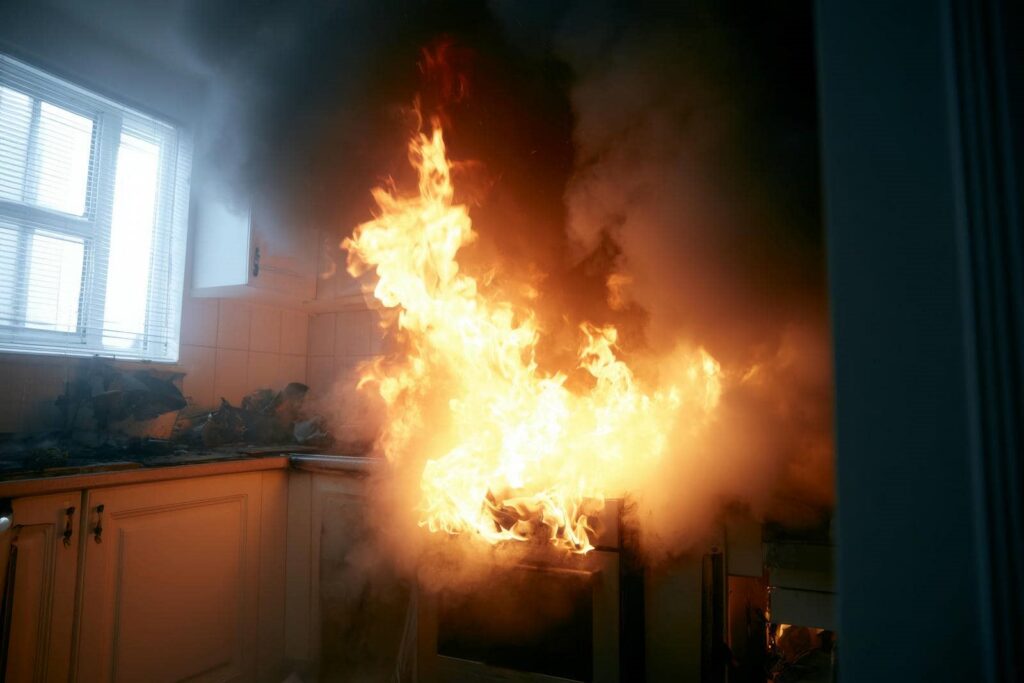
After a fire, the real damage often keeps spreading through smoke, soot, and acidic residues. You’ll need a restoration plan that checks structural safety first, then moves fast on smoke cleanup before odors and contamination settle deeper into surfaces and air systems. When you combine both steps, you can stop hidden deterioration, improve indoor air quality, and restore the property more efficiently—but the order matters more than you might think.
Key Takeaways
- Fire damage restoration starts with assessing structural damage, stabilizing the property, and documenting affected rooms, materials, and systems.
- Smoke cleanup should begin quickly because soot, odor, and corrosion can penetrate surfaces, porous materials, and HVAC systems within hours.
- Professional crews remove soot, ash, oily residue, moisture, and odor sources in the correct order to prevent hidden contamination.
- HEPA air scrubbers, negative-air containment, and HVAC cleaning help restore indoor air quality and stop contaminant recirculation.
- Thorough restoration protects salvageable materials, prevents future deterioration, and returns the property to safe, usable condition.
What Fire Damage Restoration Covers First
When fire damage restoration begins, technicians first assess structural damage, remove unsafe debris, and stabilize the property to prevent further deterioration.
You’ll then get a detailed scope that maps affected rooms, materials, and systems, so you know exactly what’s being addressed. Crews document loss conditions, isolate compromised areas, and protect salvageable surfaces before any reconstruction starts.
In fire damage restoration, you can expect moisture checks, soot evaluation, and odor source identification to guide next steps.
Smoke cleanup is coordinated with this phase, allowing teams to clean accessible surfaces, HVAC components, and contents with the right methods.
You’re not left guessing; you’re kept informed, supported, and part of a clear recovery plan.
Why Smoke Cleanup Must Start Quickly
You need to start smoke cleanup quickly because soot sets fast and bonds to surfaces within hours.
If you wait, odor compounds can penetrate materials more deeply, making removal harder and more costly.
Corrosion can also begin quickly on metals and electronics, so prompt action helps protect both finishes and structural components.
Soot Sets Fast
Soot can settle and bond to surfaces within hours, which is why smoke cleanup should begin as soon as it’s safe to enter the property. You’ll protect finishes, electronics, and textiles by acting fast and using the right sequence. Your restoration team can help you feel supported while they stabilize affected areas.
Isolate damaged rooms to limit spread.
HEPA-vacuum loose particles before wiping.
Use dry or lightly damp methods matched to each material.
Document residue levels for quality checks.
When you move quickly, you reduce abrasion during cleaning and improve the chance of returning items to serviceable condition. You’re not rushing; you’re preventing soot from becoming harder to remove and keeping recovery organized, efficient, and calm for everyone involved.
Odor Penetration Risks
Smoke residue doesn’t just settle on surfaces; it can seep into porous materials, HVAC components, insulation, and soft furnishings within hours. That’s why you need to start smoke cleanup quickly.
When odor particles move deeper, they bind to fibers and hidden cavities, making them harder to remove with routine cleaning. You may notice the smell in clothing, wall cavities, ducts, and upholstery long after visible soot is gone.
Fast action helps you protect indoor air quality and limit how far contaminants spread. Our team works with you to identify affected materials, isolate impacted zones, and apply targeted cleaning methods that reach beyond the surface.
When you act early, you give your space a better chance to feel clean, safe, and truly yours again.
Corrosion Begins Quickly
Even after the flames are out, corrosive residues can begin damaging metal, wiring, fixtures, and appliances within hours. You need smoke cleanup fast because soot can trap acids, moisture, and salts that accelerate oxidation and electrical failure.
When you act quickly, you protect your home and your crew’s shared effort to restore it.
- Wipe away acidic film before it pits surfaces.
- Dry damp materials to slow corrosion.
- Inspect hidden wiring, connectors, and controls.
- Clean HVAC parts so contaminants don’t spread.
You’ll also reduce repair costs and improve the odds that equipment works safely again.
Our team can help you stabilize materials, document damage, and restore your space with care. Together, we can stop small residue problems from becoming major structural and mechanical losses.
How Smoke and Fire Damage Surfaces
After a fire, damage often extends beyond what you can see, with heat, soot, and corrosive residues affecting surfaces throughout the property.
You’ll notice discoloration, etching, warping, and weakened finishes on metal, wood, drywall, and glass. Heat can soften coatings, while smoke particles settle into pores, seams, and texture, making contamination more persistent.
Moisture from suppression efforts can also react with soot, accelerating staining and breakdown. On smooth surfaces, residue may look thin, but it can still cling tightly and spread when disturbed.
On porous materials, damage can penetrate deeper, increasing the risk of lasting odor and surface instability.
When you understand these effects, you can better protect your home and move forward with confidence as part of a community focused on recovery.
What Professional Smoke Cleanup Removes
Professional smoke cleanup removes soot, ash, odor-causing particles, and the oily residues that settle on surfaces, fabrics, and in HVAC systems after a fire.
You’re not just wiping grime; you’re targeting contaminants that cling to porous and nonporous materials alike. A careful crew can address:
- visible soot on walls and ceilings;
- fine ash in drawers, vents, and seams;
- sticky film on glass, metal, and electronics;
- embedded odor sources in textiles and trim.
This process helps you reclaim your space with confidence, because each step focuses on what smoke left behind.
When you understand what gets removed, you can trust the cleanup plan and feel less alone in recovery.
How Pros Restore Safe Indoor Air
Once the visible soot and residue are cleared, the focus shifts to the air you breathe.
You’ll see pros deploy HEPA air scrubbers to capture fine smoke particles, run negative-air containment to limit spread, and exchange filters on a strict schedule.
They’ll also inspect HVAC ducts, clean vents, and seal compromised pathways so contaminants don’t recirculate.
If odor molecules linger, they may use thermal fogging or hydroxyl treatment to neutralize them at the molecular level.
Throughout the process, they’ll monitor particulate levels and adjust equipment until readings improve.
This isn’t just cleanup; it’s controlled air recovery.
You can feel confident knowing your home is being restored for safe daily living, with each step designed to help your household breathe easier together.
Why Combined Fire and Smoke Cleanup Works Better
When you combine fire and smoke cleanup, you address both structural damage and residue that can keep spreading through your property.
This integrated approach helps you remove hidden contaminants, stabilize affected materials, and support complete property recovery.
You’ll get a more thorough restoration process, with fewer overlooked issues and a better long-term result.
Fire And Smoke Damage
Fire and smoke damage often overlap, so restoring a property fully usually means addressing both at the same time. When you tackle them together, you limit hidden residues, reduce odor persistence, and keep surfaces from degrading further.
Your team can inspect soot, heat warping, and moisture from suppression as one system, which helps you feel supported and informed.
- You identify structural damage early.
- You remove corrosive soot before it sets.
- You neutralize smoke odor at the source.
- You prevent cross-contamination between rooms.
This combined approach works because fire leaves fragile materials and smoke leaves microscopic particles. By coordinating cleanup steps, you get a cleaner, safer environment and a smoother restoration process.
You’re not facing this alone; you’re taking a disciplined, effective path forward.
Complete Property Recovery
Complete property recovery depends on treating fire and smoke damage as a single system, because each problem affects the other and can keep the property from fully stabilizing if addressed separately.
You need coordinated crews to remove soot, moisture, odors, and weakened materials in the right order. That approach helps you limit corrosion, prevent hidden residue, and verify that structural components meet safe use standards.
When you combine cleanup methods, you also shorten downtime and reduce the chance of repeat damage. You’ll get clearer communication, faster decisions, and a restoration plan that fits your property’s actual condition.
The result is a more complete return to normal, with your space safe, stable, and ready for you again.
Frequently Asked Questions
Do Insurance Policies Usually Cover Both Fire and Smoke Restoration?
Usually, your policy covers both, but you’ll need to verify your specific terms, limits, and exclusions. You can strengthen your claim by documenting damage, notifying your insurer quickly, and using approved restoration contractors.
Can I Stay in My Home During Fire Damage Cleanup?
Yes, you can sometimes stay, but you’ll need a professional safety assessment first. You’re best served by excluding damaged zones, ensuring air quality’s monitored, and keeping your household’s little haven secure during cleanup.
How Long Does Complete Fire and Smoke Restoration Take?
Complete fire and smoke restoration usually takes days to several weeks, depending on damage extent, materials, and drying needs. You’ll get faster results when you act quickly, document damage, and coordinate inspections and repairs.
What Personal Items Can Be Salvaged After Fire and Smoke Damage?
You can often salvage photos, documents, glassware, metal keepsakes, and sealed electronics; soft goods may survive with cleaning. A trained technician evaluates soot, heat, and odor, helping you protect what still feels like home.
Are Specialized Treatments Needed for Soot on Electronics?
Yes, you’ll usually need specialized treatments for soot on electronics. You should power devices off, avoid wiping residue, and let a technician clean components with approved solvents, antistatic tools, and controlled drying to prevent corrosion.
Recap
When you bring fire damage restoration and smoke cleanup together, you don’t just fix what burned—you stop the “invisible” damage from quietly spreading. That’s the irony: the fastest way to recover is to act on both problems at once. You get soot removed, odors controlled, surfaces stabilized, and indoor air made safer. With a coordinated approach, you’re not chasing damage after it settles—you’re restoring your property with precision, speed, and confidence.