
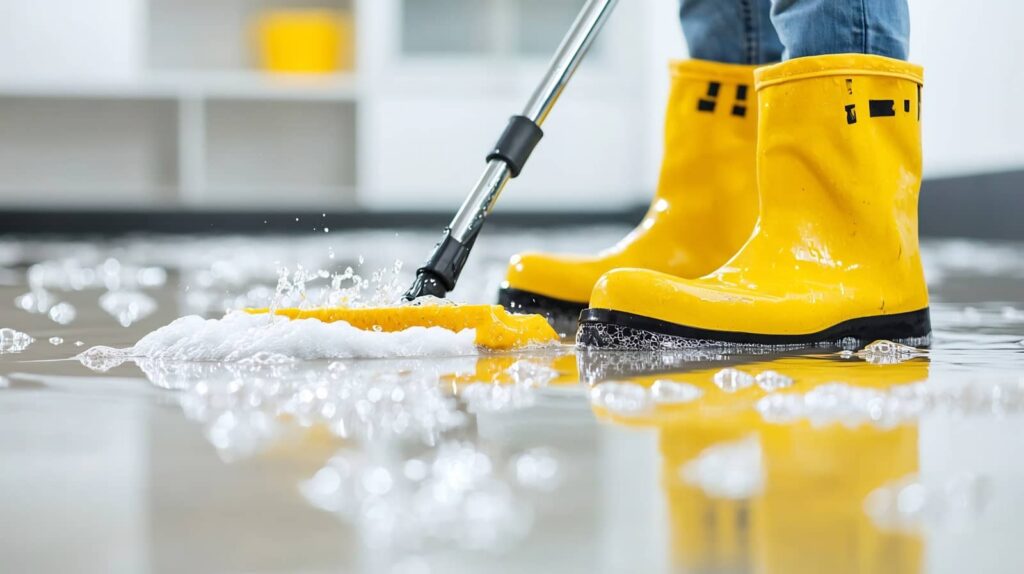
When sewage backs up into your home, you need to act fast and treat the area as contaminated. Flood Cleanup After Sewage Backup starts by shutting off the source, documenting the damage, and keeping people clear while standing water is removed with proper protective gear. Then you’ll need to decide what can be saved, what must be discarded, and how to disinfect every affected surface before hidden moisture turns into a bigger problem.
Key Takeaways
- Shut off water and sewage sources immediately, then isolate the area and document damage for insurance.
- Wear protective gear before touching contaminated water; avoid skin contact and remove gear carefully after leaving the zone.
- Remove standing water with a pump or wet vacuum, and bag debris for disposal while sorting salvageable items.
- Clean hard surfaces with detergent, then disinfect with an EPA-registered product; discard porous materials like carpet and drywall if soaked.
- Dry the area quickly with fans and dehumidifiers, inspect HVAC and electrical systems, and call professionals for heavy contamination.
Sewage Backup Cleanup: What to Do First
If sewage has backed up into your home, act fast and treat the area as contaminated. Shut off water use at the source, then stop circulation in affected rooms. Document the damage with photos for your insurer.
Remove dry, salvageable items from clean areas first, and bag porous materials that can’t be disinfected. Open windows if weather allows, and run fans only if they won’t spread residue. Wear gloves, boots, and eye protection before you touch anything.
Start flood cleanup after sewage backup by isolating the zone, removing standing water, and disinfecting hard surfaces with an approved sanitizer. Keep children and pets out.
Contact a licensed restoration crew so you’re not handling this alone. Dispose of contaminated contents according to local guidance.
Stay Safe Around Contaminated Water
You should wear protective gear, including gloves, boots, and a mask, before you enter any area with contaminated water.
Avoid any skin contact with sewage water, and wash exposed skin immediately if contact occurs.
Keep children away from the cleanup zone until you’ve removed the hazard and verified the area is safe.
Wear Protective Gear
Wear protective gear before entering any area with sewage-contaminated floodwater. You’ll reduce exposure by dressing in waterproof boots, chemical-resistant gloves, long sleeves, long pants, and eye protection.
Use an N95 or higher respirator if spray, mist, or dried residue is present, and confirm a tight seal before you start. Choose gear that fits well, stays intact, and covers every opening. Keep a clean set ready so your team can rotate safely during long cleanup shifts.
Inspect each item for tears, punctures, or leaks before use, and replace anything damaged. Remove gear in a controlled sequence after leaving the contaminated zone, then wash your hands and gear separately.
Your crew works best when everyone follows the same protection steps.
Avoid Skin Contact
Even with full protective gear, keep sewage-contaminated floodwater off your skin at every step. You should treat every splash, drip, and soaked surface as a contamination event.
Before you enter the cleanup zone, secure gloves over sleeves, tape cuffs if needed, and check that boots seal against your pants. If water reaches exposed skin, stop work, rinse the area with clean water, and wash with soap as soon as you can.
Never kneel, sit, or lean into pooled water without a barrier. Replace wet gloves, clothing, and covers immediately, because moisture can transfer pathogens fast.
Stay alert together, follow the same contact controls, and remind your team to keep skin covered until the area is fully sanitized, dried, and declared safe.
Keep Children Away
Keep children out of any area with sewage-contaminated floodwater, because a small splash or slip can expose them to harmful bacteria, viruses, and chemicals.
You should set a clear perimeter and assign one adult to monitor entry points. Use temporary barriers, locked doors, or caution tape so the whole household stays aligned and protected.
- Move children to a dry room or a neighbor’s home.
- Remove toys, shoes, and pets from the zone.
- Explain that water and mud may carry invisible pathogens.
You should wash hands after any contact with contaminated surfaces and change clothing before holding a child.
If you can’t maintain separation, stop cleanup and request help. Staying disciplined here helps your family stay safe together and reduces secondary exposure during the recovery process.
Stop the Sewage Source and Protect the Area
Shut off the sewage source immediately and isolate the affected area to limit contamination.
You should close the main water valve, deactivate any connected pump or backup system, and notify your utility provider if the source isn’t obvious.
Then set physical boundaries with plastic sheeting, tape, or locked doors so no one enters without protection.
Post clear warnings at every access point, and keep pets and family members out.
If you share the property with others, tell everyone what happened and which rooms remain off-limits.
Turn off HVAC airflow to prevent spread through ducts when you can do so safely.
Remove Standing Water and Damaged Items
Use a pump, wet vacuum, or extractors to remove standing water as soon as possible, starting in the lowest areas and working toward exits. You’ll reduce spread and make the space safer for your team. Move methodically and keep hoses clear so water flows out without backwash.
- Lift rugs, cardboard, and loose textiles first.
- Remove warped drywall, soaked insulation, and particleboard that can’t hold shape.
- Bag small debris and place damaged items outside the work zone.
Sort salvageable items from disposal items as you go, and don’t stack wet materials indoors. Keep pathways open so everyone can move efficiently and avoid slips.
If your group works together, assign one person to carry, one to sort, and one to monitor progress.
How to Clean and Disinfect After Sewage
Once you’ve removed standing water and contaminated debris, clean all hard surfaces with hot water and detergent, then disinfect them with an EPA-registered product labeled for sewage or biohazard cleanup.
You should wear gloves, eye protection, and a respirator if splashing or aerosolization is possible. Apply the disinfectant at the contact time listed on the label; don’t rinse early.
Work from the cleanest area toward the most contaminated area to avoid cross-contamination. Use separate cloths, mops, and buckets for sanitation tasks, and replace solutions when they become dirty.
Wash reusable tools with detergent and disinfect them after each use. Ventilate the space with fans and open windows when weather allows.
When you follow this sequence, you’re protecting your household and helping everyone get back to a safe, shared space.
Dispose of Carpet, Drywall, and Furniture
You should replace carpet if sewage has saturated the backing, padding, or subfloor, because porous fibers retain contamination and odors.
You should remove drywall when it’s wicking moisture above the flood line, softening, or showing staining, since hidden contamination can persist in the cavity.
You should assess furniture by material and exposure time, and discard upholstered or particleboard items that can’t be fully cleaned and dried.
Carpet Replacement Thresholds
Carpet, drywall, and upholstered furniture that contacted sewage-contaminated floodwater should be discarded when they can’t be fully cleaned and sanitized immediately.
You should replace carpet if wastewater soaked the backing, padding, or tack strips, because hidden contamination can persist. Act quickly and work with your cleanup team so everyone stays protected and the space can return to service safely.
Use these thresholds:
- If carpet stayed wet long enough for sewage to wick upward, replace it.
- If odors remain after extraction and disinfection, replace it.
- If fibers hold visible residue or stain, replace it.
Remove and bag waste promptly, then document disposal before installing new material.
This approach helps your crew reset the area with confidence and keeps contamination from spreading into adjacent rooms.
Drywall Removal Signs
Drywall that contacted sewage-contaminated floodwater should come out fast when it can’t be fully cleaned and sanitized on the spot. You should cut and remove any panel with swelling, crumbly gypsum, soft paper, stains, or a persistent odor.
Mark the damage line above the visible wet zone, then open the wall to inspect insulation and framing. If the back side stayed wet, if mold is already present, or if wall cavities held dirty water, treat the section as unsalvageable.
Bag debris immediately, seal it, and follow local disposal rules. Keep the work area isolated so your team stays protected and your cleanup stays organized.
Wear gloves, eye protection, and respiratory protection, and wash tools after each section.
Replace removed drywall only after the cavity is dry and clean.
Furniture Salvage Decisions
Once the wall cavities are open and the debris is out, sort the remaining contents by salvageability before any cleaning starts. You’ll protect your team by separating porous items from nonporous items, then tagging each piece for discard or recovery.
Carpet, pad, upholstered furniture, particleboard, and saturated drywall usually go to disposal because sewage can penetrate deeply and leave pathogens behind. Nonporous metal, sealed wood, and hard plastic may be cleaned and disinfected if they stayed above flood line and dry fast.
- Inspect for wicking, staining, and odor.
- Check frame integrity and moisture content.
- Remove salvageable items to a clean, dry zone.
If you’re unsure, choose disposal; that keeps your household safer and helps everyone return to normal sooner.
Dry the Area Fast to Prevent Mold
Act quickly to dry the affected area, because lingering moisture can trigger mold growth within 24 to 48 hours. Open windows if weather allows, then run fans and dehumidifiers to move air across walls, floors, and baseboards.
Remove wet rugs, pads, and porous items that can’t be sanitized, and keep them out of the room. You should mop standing water, then wipe hard surfaces with clean towels until they feel only slightly damp.
Separate soaked materials so air can circulate around them. Check hidden pockets under cabinets, behind trim, and inside wall cavities, because trapped moisture lingers there.
Keep the space dry until all surfaces read dry to the touch and smell neutral. Working methodically helps your cleanup team protect the home you’re restoring together.
Check HVAC and Electrical Systems
Before you restart anything, inspect the HVAC and electrical systems for contamination, moisture intrusion, and visible damage. You’re protecting your space and everyone who uses it, so treat every component as suspect until you verify it’s dry, clean, and intact.
Shut off power at the breaker before checking outlets, switches, cords, and exposed wiring. Remove wet filters, clean accessible ducts, and look for sediment in vents.
- Confirm breakers, GFCIs, and panels stayed dry.
- Replace soaked filters and contaminated insulation.
- Test systems only after surfaces are fully dry.
If you notice corrosion, burning odor, or trapped moisture, leave the system off. Your crew’s safety and indoor air quality depend on careful sequencing, not speed.
When to Call a Sewage Cleanup Pro
You should call a sewage cleanup pro if you see major contamination, including widespread sewage pooling, soaked porous materials, or waste in multiple rooms.
These conditions raise safety and health risks because pathogens can spread fast and standard cleaning won’t fully sanitize the area.
If you notice strong odors, visible residue, or any exposure to contaminated water, stop work and get professional help at once.
Major Contamination Signs
A sewage backup can quickly shift from a cleanup issue to a contamination hazard when waste has spread beyond a small, contained area. You should call a sewage cleanup pro when you spot these major contamination signs:
- Waste has reached multiple rooms, wall cavities, or subfloor spaces.
- Water has remained in place long enough for dark staining, residue, or sediment to build up.
- Porous materials like carpet, drywall, insulation, or baseboards are saturated and can’t be cleaned in place.
At that point, your cleanup team needs controlled extraction, targeted removal, and disinfection steps that match the spread pattern.
If you’re seeing mixed debris, persistent foul odor, or visible filth after initial removal, don’t improvise. You’ll protect your home’s recovery by acting fast and bringing in the right crew.
Safety And Health Risks
When sewage has spread past a contained area, the risk isn’t just structural damage—it’s exposure to pathogens, airborne contaminants, and hazardous residue that can affect your health fast.
You can’t safely treat this like ordinary water damage. If you notice strong odors, visible waste, soaked porous materials, or symptoms like nausea, coughing, skin irritation, or fever, stop cleanup and call a sewage cleanup pro.
They’ll isolate the zone, use PPE, remove contaminated materials, and disinfect surfaces with approved agents.
You should also call for help if the backup reached HVAC systems, crawlspaces, or finished walls, because hidden contamination can persist.
Acting quickly protects your household, limits cross-contamination, and keeps your cleanup team safe too.
Prevent Future Sewage Backups
To prevent future sewage backups, inspect and maintain the main sewer line, floor drains, and backflow valves on a regular schedule.
You’ll protect your home’s plumbing network and keep your household safer by documenting each service visit. When you notice slow drains, gurgling fixtures, or odors, act fast and call a licensed plumber.
Join neighbors who stay proactive and share maintenance tips.
- Flush and camera-inspect the sewer line every 1 to 3 years.
- Test backflow valves and clear debris from floor drains quarterly.
- Avoid flushing wipes, grease, and other solids that strain the system.
Keep gutters, sump pumps, and exterior grading working properly so stormwater moves away from the foundation.
If backups recur, request a full sewer assessment promptly.
Frequently Asked Questions
What Health Symptoms Require Medical Attention After Sewage Exposure?
You need medical attention for fever, vomiting, diarrhea, severe stomach pain, coughing, shortness of breath, eye irritation, skin rash, or wound redness after sewage exposure; don’t ignore worsening symptoms, dehydration, or confusion.
How Long Does Sewage Contamination Remain Hazardous Indoors?
Sewage contamination can stay hazardous indoors until you remove all contaminated materials, dry the space, and disinfect thoroughly; untreated moisture lets bacteria persist for days or weeks, so you shouldn’t re-enter without proper remediation.
Can I Salvage Electronics Exposed to Contaminated Floodwater?
Usually, you can’t safely salvage electronics exposed to contaminated floodwater; salvage value and hidden corrosion clash. You should power them off, remove batteries, bag them, and have a qualified technician inspect, clean, and test them first.
What Insurance Documentation Should I Collect After Sewage Backup?
Collect photos, videos, dated damage logs, repair estimates, receipts, and discarded-item lists. You should save mitigation invoices, contractor reports, and insurer correspondence too. You’ll strengthen your claim by organizing everything chronologically and keeping copies.
Do I Need Permits for Replacing Sewage-Damaged Building Materials?
Yes, you’ll often need permits. Like a bridge inspector halting traffic, you should check local code first, then replace damaged materials, document work, and schedule required inspections to keep your project compliant and welcomed.
Wrap-Up
In flood cleanup after sewage backup and contaminated water, you’ve got to act fast, work safely, and follow each step in order. Stop the source, remove standing water, discard ruined porous materials, disinfect hard surfaces, and dry everything thoroughly. Check HVAC and electrical systems before reuse, and call a pro if contamination lingers. Like a chain reaction, one missed step can fuel the next problem, so stay methodical and protect your health.