
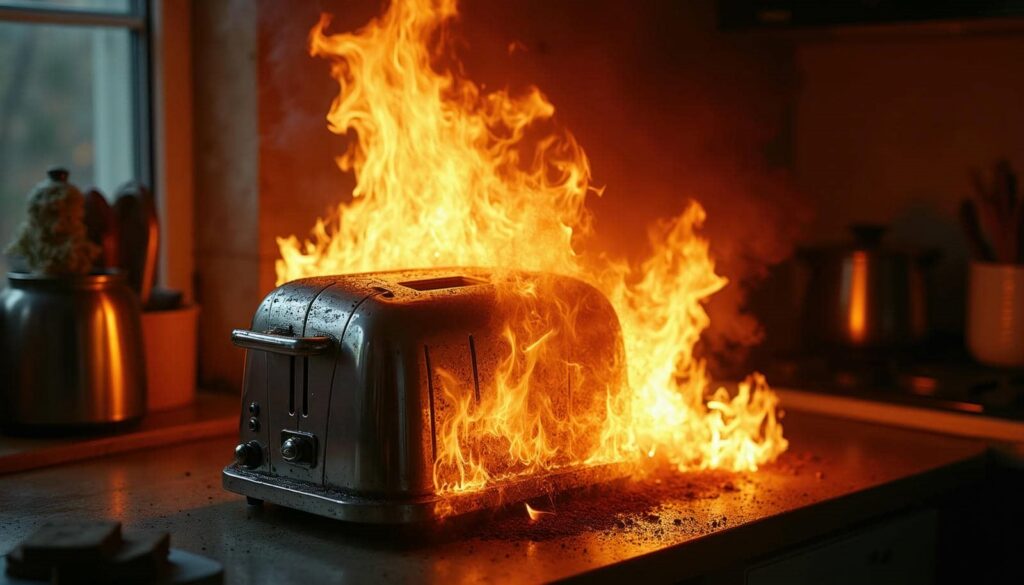
When the smoke clears, the clock still keeps ticking. You’ll find that fire damage restoration can take days, weeks, or longer, depending on how severe the fire was, how far smoke and soot traveled, and whether water damage adds another layer of work. The process usually starts with assessment and stabilization, then moves into cleanup, drying, and repairs, but insurance and hidden damage can shift the timeline in ways you might not expect.
Key Takeaways
- Restoration time depends on fire severity, smoke spread, water damage, and hidden structural issues.
- Small, contained fires may take days, while major losses can take weeks or months.
- The process includes inspection, securing the site, cleaning soot, removing debris, and drying water damage.
- Insurance approvals and claim reviews often delay repairs, especially before reconstruction can begin.
- Fast documentation, prompt insurer contact, and early contractor coordination can shorten the timeline.
What Affects Fire Damage Restoration Time?
The time fire damage restoration takes depends on how severe the fire was, how far smoke spread, and what repairs your property needs.
These factors shape how long fire damage restoration takes because they determine the extent of structural, soot, and odor damage you’re facing. A small kitchen fire may require less work than a fire that affects multiple rooms or your HVAC system.
Water from firefighting efforts can also add drying time and slow repairs. If your home has hidden damage in walls, insulation, or wiring, your timeline usually extends.
You’re not alone in this process; a skilled restoration team can assess your property, set realistic expectations, and help you move forward with confidence while keeping your recovery on track.
What Happens During Fire Restoration?
Fire restoration usually begins with a detailed inspection, safety check, and damage assessment so the team can map out exactly what needs attention.
You’ll then see crews secure the site, remove unsafe debris, and document affected materials for your insurance file.
Next, they’ll clean soot from surfaces, address odors with specialized equipment, and filter the air to reduce lingering contaminants.
You’ll also have damaged items sorted for salvage, cleaning, or disposal, so your space can move forward in an organized way.
If structural parts need repair, technicians coordinate those steps while keeping you informed.
Throughout the process, you’re not left guessing; you’re part of a clear plan designed to restore safety, function, and comfort efficiently, with steady communication at every stage.
How Fire Severity Affects Restoration Time
When the fire is small and contained, restoration often moves faster because crews can focus on limited soot cleanup, odor removal, and minor repairs. You may see work finish in days rather than weeks when damage stays in one room or section.
As fire severity rises, you’ll usually need more demolition, structural drying, material replacement, and safety checks, which adds time at every step. If flames reach framing, roofing, or wiring, your team must inspect hidden damage before rebuilding starts.
Larger losses also require more coordination among specialists, so schedules stretch further. Even so, you’re not managing this alone. A clear assessment and phased plan help your property move forward efficiently, while keeping your space safe, stable, and ready for normal use again.
Why Smoke and Soot Slow Cleanup
Even after flames are out, smoke and soot can keep the restoration clock running because they spread far beyond the burned area. You’ll often need a thorough inspection before crews can clean safely and completely.
Smoke residue can settle in hidden cavities, on duct surfaces, and inside porous materials, so your team must work methodically.
Fine soot particles cling to walls, fabrics, and contents.
Odors can persist until technicians neutralize contaminated surfaces.
Sensitive equipment may need special cleaning to protect finishes and function.
When you understand this process, you can see why cleanup takes time. The good news is that each step moves you closer to a safe, familiar space again, with your restoration team guiding you through it.
How Water Cleanup Affects Timelines
If firefighting left your property wet, water cleanup can add a major step to the restoration timeline. You’ll usually need extraction, drying, and moisture checks before crews can move ahead safely.
Technicians use pumps, air movers, and dehumidifiers to pull water from floors, walls, and hidden cavities. Then they monitor humidity and material readings until levels stabilize. This process can take hours or several days, depending on how much water soaked in and how quickly it was addressed.
Acting fast helps you protect belongings, reduce odors, and limit secondary damage. When you stay in close contact with your restoration team, you’ll know what’s happening next and can feel confident that your property is moving through cleanup the right way.
When Structural Repairs Add Weeks
Once the water is out and the site is dry, crews can assess whether fire damage reached the framing, subflooring, roof, or load-bearing walls. If it did, your timeline grows because structural work needs precise demolition, engineering checks, and rebuild sequencing.
You’re not just replacing burned materials; you’re restoring the home’s strength and safety.
Framing repairs may require sistering studs or replacing compromised joists.
Roof work can add days if trusses, decking, or sheathing need replacement.
Wall and floor rebuilds often depend on inspections, material lead times, and drying between stages.
These steps protect your property and the people who belong there. A careful crew keeps the process organized, so you can move forward with confidence.
How Insurance Delays Fire Restoration
You may see fire restoration slow down while your insurer verifies coverage, reviews the loss, and confirms policy limits.
Claim assessment timelines can add several days or weeks, especially when adjusters need photos, reports, or site access to complete the evaluation.
Once the claim’s approved for repairs, your restoration team can move ahead more quickly and keep the project on track.
Coverage Verification Delays
Coverage verification can slow fire restoration when your insurer needs time to confirm policy limits, inspect the loss, and approve the scope of covered repairs.
You can keep momentum by sharing your declarations page, photos, and contractor estimates right away. This step often feels frustrating, but you’re not stuck; you’re coordinating with the team that helps fund recovery.
Verify coverage details and deductibles early.
Submit itemized documentation so nothing gets missed.
Stay in contact with your adjuster and restoration crew.
When everyone works from the same records, you reduce back-and-forth and keep the project moving. Your home can’t wait, and neither should your paperwork.
Clear verification helps your restoration partners mobilize quickly, so you can focus on getting back to normal.
Claim Assessment Timelines
Claim assessment can delay fire damage restoration because the insurer has to review the loss, confirm causation, and agree on the repair scope before full work can move forward.
During this period, you’re often waiting on inspections, documentation checks, and coverage analysis that can take days or weeks, depending on claim complexity. If smoke traveled through multiple rooms or water from suppression affected hidden materials, the review usually takes longer.
You can keep things moving by submitting photos, inventories, and access details quickly. Your restoration team can also coordinate directly with the adjuster to clarify damage patterns and reduce back-and-forth.
Even when the process feels slow, you’re not stuck; you’re building the case for a complete, accurate recovery that helps your home and household get back on track.
Approval For Repairs
Even after the insurer finishes evaluating the loss, restoration can still stall until it approves the repair scope and authorizes work. You may feel ready to start, but crews usually need that written sign-off before demolition, cleaning, and rebuilding can begin.
Delays often come from estimate revisions, supplemental findings, or coverage questions, and each one can pause your timeline.
- Your contractor submits a detailed scope and pricing.
- The adjuster reviews changes and confirms coverage.
- You receive approval, and work moves forward.
You’re not stuck alone in this stage. Stay in close contact with your adjuster and restoration team so questions get answered quickly.
Clear communication helps you join the process, reduce back-and-forth, and get your property moving toward recovery.
What Happens During Fire Restoration Steps?
Fire restoration typically begins with a detailed assessment of the damage, followed by securing the property, removing debris, and addressing smoke, soot, and water issues.
You’ll then see technicians document affected areas, sort salvageable items, and isolate contaminated rooms to limit further harm.
Next, they clean structural surfaces, treat soot deposits, and use specialized equipment to reduce odors and moisture.
If materials can’t be safely restored, they’re removed and replaced with code-compliant components.
Throughout the process, you stay informed about findings, progress, and any needed next steps, so you’re not left guessing.
Each stage builds a safer, cleaner environment and helps your property move steadily toward full recovery, with your comfort and confidence kept front and center.
How to Speed Up Fire Damage Restoration
The fastest way to shorten fire damage restoration is to act quickly and coordinate the right steps from the start. You’ll help your crew work faster when you document losses, call your insurer, and secure a qualified restoration team right away.
Clear communication keeps everyone aligned, reduces delays, and supports a smoother recovery for your household.
Confirm scope early so technicians can plan drying, cleaning, and repairs without guesswork.
Remove undamaged belongings after approval to free work areas and protect items.
Approve estimates promptly so materials, labor, and scheduling can move forward.
Stay involved, ask for updates, and share concerns quickly.
When you and your restoration team act as one, you create momentum, cut avoidable downtime, and bring your home back sooner.
When Your Home Is Safe to Reenter
Before you go back inside, your home should be cleared by the fire department or restoration team, since hidden hazards can make a structure unsafe even after the flames are out.
You can usually reenter only after responders confirm the structure is stable, utilities are shut off or restored safely, and air quality testing shows no dangerous smoke, soot, or carbon monoxide levels.
If walls, ceilings, or floors are compromised, stay out until repairs and inspections are complete. You’ll also need safe access paths, working lighting, and no exposed wiring or sharp debris.
Once you’re allowed in, wear protective gear and follow the team’s instructions. That way, you and your household can return with confidence, knowing the space is ready for the next step in recovery.
Frequently Asked Questions
Can Fire Damage Restoration Start Before the Insurance Claim Is Approved?
Yes, you can often start emergency mitigation before approval if you need to limit further damage. You’ll usually need to document everything, notify your insurer promptly, and confirm covered work before major repairs begin.
Do Personal Belongings Add Time to the Restoration Process?
Yes—personal belongings can slow things down like anchors in a current. You’ll need inventory, cleaning, deodorizing, and storage decisions, but you’re still in control. Your restoration team can streamline each step and keep you connected.
How Soon Should Contents Be Packed Out After a Fire?
You should have contents packed out as soon as it’s safe, ideally within 24 to 48 hours. You’ll reduce soot staining, moisture damage, and odor absorption, while speeding inventory, cleaning, and restoration coordination.
Will Mold Develop if Water Damage Is Not Dried Quickly?
Yes, mold can bloom like a shadowy garden if you don’t dry water damage quickly. You’ll reduce risk with fast extraction, dehumidification, and ventilation. Prompt action protects your structure, contents, and peace of mind.
Can Deodorizing Remove All Smoke Odor From a Home?
Yes, deodorizing can greatly reduce smoke odor, but you may need deep cleaning, sealing, and filtration to remove it fully. You’ll often restore comfort faster when you act quickly and choose thorough remediation.
Final Thoughts
When fire passes through your home, it leaves a story of ash, water, and waiting. You can think of restoration as rebuilding a lantern after a storm: first the damage is measured, then the smoke is cleared, the water is removed, and hidden harm is repaired. The timeline depends on what the fire touched, but fast action and clear communication help you move forward safely, one careful step at a time.