
How much flood damage repair costs after a flood depends on the extent of the damage, the type of water involved, and how quickly cleanup begins. The overall flood damage repair cost can range from a few thousand dollars to tens of thousands or more when extensive drying, demolition, and rebuilding are required. Clean water damage is generally less expensive to address than gray or black water contamination, which may require specialized cleaning, disinfection, and disposal. Hidden damage, mold risk, and rising labor costs can also increase the final bill, especially when drywall, flooring, insulation, or structural materials need replacement. A professional inspection helps identify the full scope of the damage, determine which materials can be salvaged, and establish a more accurate restoration estimate.
Key Takeaways
- Flood damage repair costs vary widely depending on materials affected, labor, and how far water spread.
- Clean water is cheapest to repair; gray water needs sanitation, and black water costs the most.
- Drywall, insulation, carpet, cabinetry, and upholstery often require full replacement after flooding.
- Kitchens and bathrooms usually cost more because they involve plumbing, fixtures, electrical work, and multiple material replacements.
- Accurate estimates require a full inspection, photos, and comparing at least two contractor bids with the same scope.
How Much Does Flood Damage Repair Cost?
Flood damage repair costs can vary widely because the total depends on the materials affected, the amount of labor required, and the full scope of the repairs.
When you ask how much flood damage repair costs, you’re usually looking at a range rather than a single number.
In many cases, you can expect expenses to start with cleanup and move into drying, removal, and rebuilding.
If your home suffered limited intrusion, you may face a lower bill.
If water reached walls, flooring, or fixtures, costs climb quickly.
You deserve clear expectations, so compare estimates from licensed professionals and document every damaged area.
That helps you plan confidently, protect your recovery, and move forward with others who understand what you’re dealing with after flooding.
What Affects Flood Repair Costs?
Your flood repair costs hinge on how badly materials were damaged, since soaked drywall, flooring, and insulation often need replacement instead of cleanup.
You’ll also pay more when labor and equipment needs rise, especially for drying, demolition, and specialized remediation.
The overall repair scope matters too, because larger or more complex projects require more time, trades, and coordination.
Material Damage Severity
Material damage severity often drives repair costs the most, because the deeper water reaches, the more materials it can ruin.
If floodwater sits on drywall, insulation, flooring, or cabinetry, you’ll likely need full removal rather than simple drying. Porous materials absorb contamination fast, so you may face replacement instead of cleanup.
Structural items like framing and subflooring raise costs when they swell, warp, or weaken. The longer moisture stays trapped, the more damage spreads behind walls and under finishes, increasing your bill.
You can lower surprises by documenting every affected material right away and separating salvageable items from those that can’t be restored. That early clarity helps you plan smarter, protect your home, and move forward with your community.
Labor And Equipment
Labor and equipment can make a major difference in flood repair costs, especially when the job needs rapid demolition, water extraction, drying, and sanitation.
You’ll usually pay more when crews must work fast and use specialized tools that protect your home and help you move forward with confidence. The right team can reduce delays, limit secondary damage, and keep the process organized.
- Emergency response rates often run higher after-hours or on weekends.
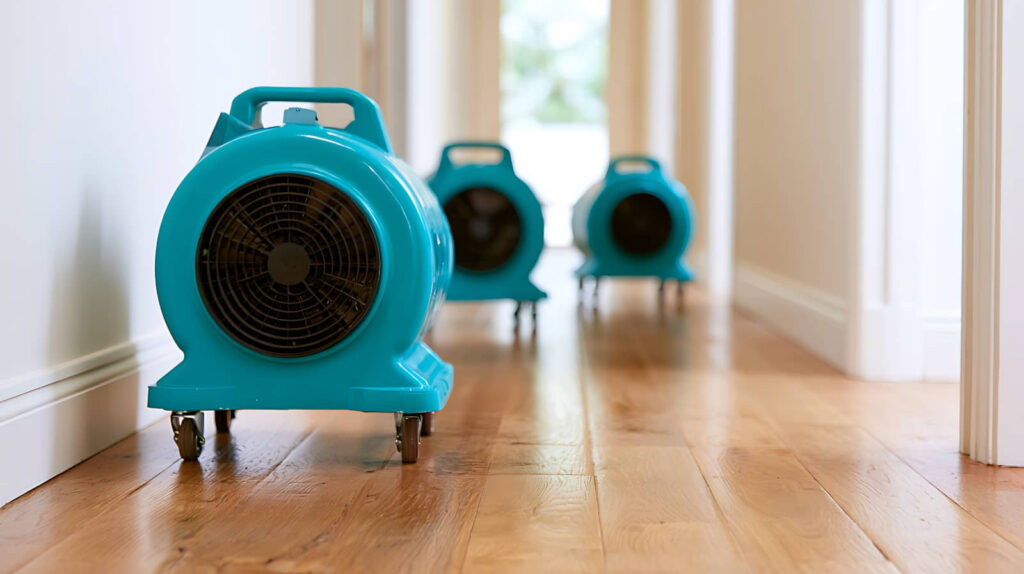
- Heavy-duty pumps and air movers add equipment charges.
- Moisture meters, dehumidifiers, and antimicrobial products increase pricing.
- Certified technicians may cost more, but they bring skill that can lower mistakes.
When you hire experienced professionals, you’re investing in efficient work, safer conditions, and a smoother recovery.
Repair Scope Size
The size of the repair scope is one of the biggest factors in flood damage repair costs, because a small, contained issue costs far less than damage that spreads through multiple rooms or structural systems.
If water hits one wall, one floor section, or a single appliance area, you can usually limit demolition, drying, and replacement. When floodwater reaches insulation, subfloors, electrical systems, or HVAC components, your costs climb fast.
Larger projects also mean more labor hours, more materials, and longer downtime for your home or business. If you’re coordinating cleanup, you’ll want a clear scope estimate early so you can plan confidently and avoid surprise expenses.
A precise assessment helps you understand what truly needs repair, not just what looks wet.
How Water Type Changes Repair Costs?
Water type can greatly change what you’ll pay for flood damage repair because it affects both the cleanup process and the materials that need replacement.
You’ll usually see costs rise as contamination increases, since crews need more protection, testing, and disposal steps. That means you’re not just paying for drying; you’re paying for a safer, more controlled restoration.
- Clean water often costs less to address.
- Gray water adds extra sanitation work.
- Black water drives the highest labor and disposal charges.
- Standing time after the flood can push costs higher.
When you understand the water source, you can plan better and avoid surprises.
A qualified team will explain what’s required, so you can make informed decisions with confidence and feel supported throughout the process.
Flood Damage Repair Costs by Material
What you pay for flood damage repair often depends on which materials got soaked, because some can be cleaned and dried while others need full replacement.
You’ll usually spend less when water hits hard surfaces like tile, concrete, metal, or sealed wood, since crews can dry, sanitize, and restore them.
Costs rise when drywall, insulation, carpet, laminate, or particleboard absorb water, because these materials often swell, break down, or trap contaminants.
If the flood reached structural lumber, subflooring, or cabinets, you may need demolition, drying, and rebuild work, which quickly raises your total.
Upholstery and mattresses often can’t be safely salvaged either.
To stay in control, ask for a material-by-material estimate so you know what’s worth restoring and what isn’t.
Flood Repair Costs by Room
Your flood repair costs will vary by room, because basement repairs often involve water removal, structural drying, and mold prevention, while kitchen restoration can add cabinetry, appliances, and electrical work.
Bathroom rebuilds can also raise costs quickly, since you may need to replace tile, fixtures, drywall, and plumbing components.
You’ll see the biggest price swings when the damage affects multiple rooms and requires coordinated labor across each space.
Basement Repairs
Basement repairs often cost more than surface-level fixes because floodwater can soak framing, drywall, insulation, flooring, and sometimes electrical systems, all of which may need removal or replacement.
You’ll usually pay for cleanup, drying, and rebuilding in stages, and deeper water means higher labor costs. To plan accurately, review these key drivers:
- Water depth and contamination
- Material removal and disposal
- Drying, dehumidifying, and mold control
- Code-required rebuilding and inspections
If you act fast, you can limit hidden damage and reduce total repair bills.
You’ll also protect your home’s structure and your peace of mind. When you work with a qualified team, you’re not facing this alone—you’re making a smart, informed recovery plan that helps you move forward with confidence.
Kitchen Restoration
Kitchen restoration often ranks among the costliest flood repairs because cabinets, countertops, appliances, flooring, drywall, and plumbing fixtures can all absorb water or trap contamination.
You’ll usually pay more when moisture reaches hidden cavities or the subfloor, since crews must demo, dry, disinfect, and rebuild in sequence. If cabinets swell, you may need full replacement instead of surface cleanup.
Warped flooring, damaged outlets, and ruined appliances also raise your total fast. You can control costs by documenting damage quickly, isolating salvageable items, and hiring a contractor who understands kitchen code requirements.
A well-planned restoration keeps your home safe, restores daily routines, and helps you rejoin a kitchen that feels functional, clean, and truly yours after the flood.
Bathroom Rebuilds
Bathroom rebuilds can be surprisingly expensive after a flood because moisture gets trapped behind tile, under tubs, and inside vanities, drywall, and subfloors.
You’ll often need targeted demolition, drying, mold prevention, and full material replacement to restore a safe, finished space. Costs rise fast when plumbing, electrical, or insulation gets damaged, and your price climbs further if you choose upgraded fixtures or custom tile.
- Remove and dispose of wet finishes
- Dry framing, cavities, and subflooring
- Replace drywall, flooring, vanity, and trim
- Reinstall plumbing fixtures and code-compliant electrical
If you’re rebuilding, expect bathrooms to demand skilled labor and careful sequencing.
You deserve a clean, healthy room, and the right repair plan helps you get there efficiently.
How Much Does Mold Removal Add?
Mold can quickly turn a standard flood repair into a much larger project, and the added cost depends on how far the growth has spread and how much material needs removal or replacement.
You’ll usually pay more when mold reaches drywall, insulation, flooring, or framing, because crews must remove contaminated sections before rebuilding. Small, contained areas may add a modest cleanup charge, while widespread growth can push your repair budget up substantially.
You also pay for drying, sanitation, air testing, and labor that slows the overall timeline. If you act fast, you can limit the damage and stay in control.
Once mold sets in, you’re no longer just repairing water damage—you’re restoring a healthy space your household can trust again.
How Flood Insurance Reduces Costs
Flood insurance can greatly reduce your out-of-pocket flood repair costs by covering expenses that standard homeowners insurance usually excludes.
You’ll feel more secure knowing it can pay for damage that hits your home, your belongings, and the systems you rely on. That protection helps you stay on track financially and recover with less strain.
- It can cover structural repairs after water intrusion.
- It can reduce what you pay for damaged flooring, drywall, and insulation.
- It can help replace ruined personal property faster.
- It can limit the financial hit from extensive cleanup and restoration.
When you have coverage, you don’t face every bill alone. You join other prepared homeowners who’ve planned ahead, protected their budget, and kept recovery costs more manageable.
How to Get an Accurate Repair Estimate
To get an accurate repair estimate, you’ll need a full inspection of the damage so every affected material, labor task, and replacement cost is accounted for.
You should ask a qualified contractor or adjuster to document hidden moisture, structural issues, flooring, drywall, insulation, and electrical damage.
If you can, collect photos, receipts, and notes before cleanup starts so nothing gets missed.
A good estimate should separate demolition, drying, repairs, permits, and final finishes, giving you a clear view of total cost.
Compare at least two detailed bids, and make sure each one uses the same scope.
When you understand the numbers, you can make confident decisions and join other homeowners who’ve rebuilt with less stress and fewer surprises.
Frequently Asked Questions
How Long Does Flood Repair Usually Take?
You’ll usually spend days to weeks on flood repairs, depending on drying, demolition, material replacement, and inspections. Minor damage may finish quickly, but extensive structural or mold issues can take months to complete properly.
Can I Stay in My Home During Repairs?
Usually, you can’t stay; safety first, surprisingly. You’ll need to leave if repairs involve wet drywall, mold, electricity, or structural damage. If crews isolate rooms and utilities stay safe, you might remain with precautions.
Do I Need Permits for Flood Repairs?
Yes, you’ll often need permits for flood repairs, especially if you’re replacing electrical, plumbing, structural, or drywall systems. You should check with your local building department first, because unpermitted work can delay approvals and insurance claims.
What Should I Do Immediately After Flooding?
You should shut off power, avoid standing water, and document damage immediately. Think of your home like a sinking ship; one homeowner saved thousands by acting fast. Call your insurer and start drying everything.
Can Salvageable Items Reduce Total Repair Costs?
Yes, salvaging usable items can lower your total repair costs because you’ll replace less and discard less. You’ll save on materials, labor, and disposal, while a careful inventory helps you protect value and speed recovery.
Review
After a flood, you’re often left staring at warped floors, soaked drywall, and a home that feels heavy with damp air. Repair costs can rise fast, but you can limit the damage by acting quickly, knowing your water type, and getting several licensed estimates. If you have flood insurance, it can soften the blow. The sooner you assess the loss, the better you can control costs and start rebuilding with confidence.