
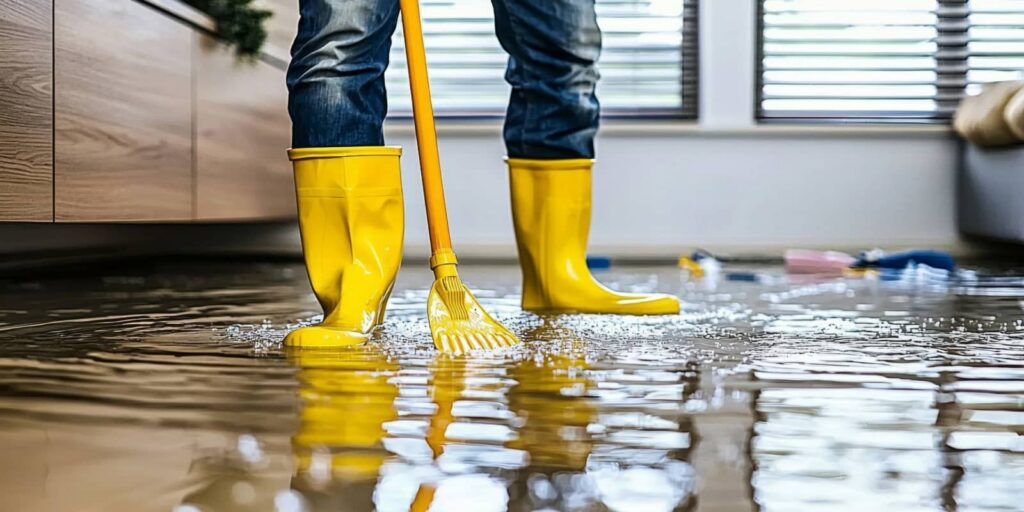
If you’re dealing with flood damage, the timeline from water extraction to full drying depends on more than just how fast you pump out the water. How Long Flood Cleanup Takes can vary based on water type, material porosity, air movement, and whether hidden moisture lingers behind walls or under floors. Some spaces dry in days, while others take weeks. The real question is when the structure is actually ready for the next step.
Key Takeaways
- Flood cleanup can take a few days to several weeks, depending on water type, damage extent, and materials affected.
- Extraction starts with pumping standing water, then wet vacs and shovels remove remaining water and mud.
- Clean water on hard surfaces dries faster than contaminated gray or black water, especially in porous materials.
- Warm air, low humidity, and strong airflow speed drying, while hidden moisture and drywall or carpet add time.
- Reentry should wait until materials are dry, sanitary, and stable, with moisture readings matching dry standards.
How Long Does Flood Cleanup Take?
How long does flood cleanup take? You can expect how long flood cleanup takes to vary from a few days to several weeks.
Clean water on hard surfaces often dries faster, while gray or black water usually needs more extraction and material removal. Porous items, like drywall, carpet, and insulation, extend the timeline because they hold moisture.
Drying conditions also matter: warm air, low humidity, and strong airflow speed progress. If you act quickly, you can shorten the job and reduce secondary damage.
A small room may clear in three to five days, but larger spaces or saturated structures can take longer.
You’re not alone in this process; your cleanup team will track moisture readings and adjust drying equipment until the structure reaches target levels.
Why Safety Comes First in Flood Cleanup
Cleanup speed matters, but safety has to lead every step because floodwater can carry sewage, chemicals, sharp debris, and hidden electrical hazards.
You protect yourself first by shutting off power, wearing gloves, boots, eye protection, and a respirator when needed, and keeping children and pets away.
You also check ceilings, floors, and walls for structural weakness before you enter. If you smell gas or see sparking, stop and call professionals.
That pause doesn’t slow the job; it prevents injuries, contamination, and setbacks that can add days to your timeline.
When your team works safely, you stay focused, coordinated, and ready for the next step.
Smart safety habits help everyone recover faster, together.
How Do You Remove Flood Water and Mud Fast?
Start by pumping out standing water with a submersible or utility pump, then switch to wet vacuums and buckets for the last inches and trapped puddles. You’ll move faster if you work from the farthest corner toward the exit, keeping hoses and cords clear.
After the water drops, scrape mud into piles with a flat shovel, then bag it before it dries and bonds to surfaces.
- Remove water in stages.
- Squeegee floors toward drains.
- Lift debris before mopping.
- Rinse and extract the slurry.
If you’re working with your crew, assign one person to pumping, one to hauling, and one to extraction. That keeps the job tight, organized, and in sync.
Finish by checking low spots and repeating until the floor feels clean and free-flowing.
Which Flood Cleanup Factors Add the Most Time?
The biggest time drivers are the water source, the materials it soaked, and how fast the space can dry. You’ll spend more time when contamination is higher, because you need extra containment, cleaning, and disposal steps.
Delays also grow when water reached hidden cavities, since crews must open, inspect, and verify every affected area. If humidity stays high or airflow is weak, drying slows and your timeline stretches.
Access matters too: tight rooms, heavy furniture, and blocked equipment paths reduce speed. You can cut hours by reporting damage quickly, keeping HVAC guidance consistent, and clearing work zones fast.
The more organized your response, the sooner your team can move from extraction to stable drying and help your home feel safe again.
How Different Materials Affect Cleanup Time
Different materials change your cleanup timeline because carpet holds moisture longer. Drywall can wick water deep into the core, and hardwood may recover faster if you dry it quickly.
You’ll need to check carpet drying time first, then assess how far the drywall damage extends.
Hardwood recovery speed depends on how soon you remove standing water and control humidity.
Carpet Drying Time
Carpet drying time varies based on the carpet fiber, backing, pad, and how much water reached each layer. You can usually expect faster results with synthetic carpet than with wool, and thinner pile dries sooner than dense plush.
If you act quickly, you keep moisture from sitting in the pad and extending your timeline.
- Fiber: Nylon and polyester dry faster than absorbent natural fibers.
- Backing: Rubber or foam backing slows airflow and traps moisture.
- Pad: Thick pads hold water longer, so extraction matters.
- Air movement: Fans, dehumidifiers, and warm, dry air speed drying.
You’ll stay ahead when you monitor moisture, lift carpet edges, and keep equipment running until readings level out.
Drywall Damage Extent
When drywall gets wet, cleanup time depends on how far moisture has traveled and what the wall contains. You’ll usually dry faster if only the surface is damp and the paper facing stayed intact.
Once water wicks into the gypsum core, you need more time for removal, drying, and inspection. If the wall has insulation, vapor barriers, or multiple layers, airflow changes and hidden wet spots can linger.
Painted surfaces may slow evaporation, while wallpaper can trap moisture and extend service time. You should open cavities only when readings stay high or the material feels soft, swollen, or crumbly.
Your restoration team will match the approach to the wall build so you get a safer, cleaner result and a realistic timeline.
Hardwood Recovery Speed
Hardwood recovers faster when the boards only took on surface moisture and the finish stayed intact, because you can dry the floor without major demolition. You’ll usually stay on the quicker path when you act within hours and keep airflow steady.
Dense planks hold water longer than engineered wood, and cupping or buckling adds time because you may need controlled drying, sanding, or replacement.
- Surface wetting: fastest drying.
- Minor cupping: moderate recovery.
- Deep saturation: slower extraction.
- Finish failure: longer repair cycle.
You and your crew can shorten the timeline by removing standing water, monitoring moisture readings, and stabilizing indoor humidity.
When the subfloor also stays dry, your floor often rebounds well, and you can get your space back sooner.
How Long Does Drying Take After Flood Cleanup?
Drying after flood cleanup can take anywhere from a day or two to several weeks, depending on the water source, the materials affected, and the drying conditions.
If you’ve got clean water on nonporous surfaces, you may see progress fast; once water reaches padding, subfloors, or wall cavities, expect longer drying times.
You’ll usually rely on air movers, dehumidifiers, and steady ventilation to pull moisture out efficiently.
Keep the space warm, open where possible, and monitor readings with a moisture meter so you know it’s actually drying, not just feeling dry.
You’re part of the process here: consistent airflow, daily checks, and quick adjustments help your home dry faster and more evenly, reducing lingering dampness and the headaches that come with it.
When Should You Demolish Instead of Restore?
Sometimes the safest choice is demolition, not restoration, especially if floodwater has soaked structural framing, insulation, drywall, or subfloors and the materials can’t dry or sanitize fully.
You should demolish when damage reaches hidden cavities, when warped wood won’t return to shape, or when mold has already spread behind finishes. Acting decisively protects your team and keeps your project on track.
- Remove materials that stay damp after drying.
- Demolish finishes that trap contamination.
- Replace any swollen or delaminated structural layers.
- Rebuild when cleanup would cost more than replacement.
If you’re unsure, bring in a qualified inspector so you can make the same call your crew trusts. That keeps your space safer, faster, and ready for proper reconstruction.
How Do You Know Flood Cleanup Is Finished?
You know flood cleanup is finished when moisture readings match dry standards in the affected materials and hidden cavities no longer show elevated humidity.
You should confirm that surfaces, framing, and insulation stay dry under repeated checks, not just after one drying cycle.
Once you’ve verified dryness and there’s no musty odor, staining, or active microbial growth, restoration can move forward.
Drying Benchmarks
Even after visible water is gone, cleanup isn’t finished until the structure and materials reach stable dryness. You know you’re close when readings stop changing and every affected area matches normal indoor moisture levels for your building. Use a moisture meter and compare wet spots to dry reference areas nearby.
- Walls and trim read near baseline.
- Floors no longer feel cool or damp.
- Subfloor and insulation show steady, low readings.
- Indoor humidity stays controlled during normal operation.
Keep checking at the same times each day so you can see a flat trend, not just a good moment. When numbers hold steady after equipment runs, you’re likely ready to wrap drying.
That’s the point where your crew can trust the structure again and move together to the next step.
Safe Restoration Signs
Cleanup is finished only when the structure is dry, sanitary, and stable enough for normal use. You should see moisture readings back at baseline, no damp spots, no musty odor, and no visible microbial growth.
Walls, floors, and cavities need to feel dry, and materials that can’t be fully cleaned should be removed. You’ll also want HVAC, electrical, and plumbing systems checked before reentry.
All affected surfaces must be cleaned, disinfected, and verified safe by testing or inspection. If insulation, drywall, or subflooring stayed wet too long, replace them.
Document each step so your team can confirm progress and close the job with confidence. When conditions match pre-loss levels and you can live or work there without risk, flood cleanup is complete.
How To Speed Up Cleanup Safely
Speed up flood cleanup by removing standing water quickly, sorting affected materials, and improving airflow so surfaces dry faster.
You’ll move the job along without adding risk when you work in the right order and keep the area safe for your crew or family. Use gloves, boots, and eye protection, and shut off power before you enter wet spaces.
- Pump or wet-vac water first.
- Remove soaked drywall, insulation, and carpet.
- Run fans and dehumidifiers continuously.
- Monitor moisture daily and stop when readings normalize.
Discard unsalvageable porous items early, but keep documents, furniture, and fixtures that can dry.
Clean surfaces with approved disinfectant after drying begins. If you smell sewage, see hidden moisture, or can’t lower readings, call a pro.
Frequently Asked Questions
What Permits Are Needed for Flood Debris Disposal?
You’ll usually need local landfill or transfer-station approval, and sometimes city, county, or state waste permits for contaminated debris. If floodwater carried sewage, chemicals, or asbestos, you may need special handling and disposal authorization.
Can Salvageable Items Be Cleaned After Sewage Exposure?
Yes, you can clean some salvageable items after sewage exposure, but treat them like a hazard zone. You’ll need prompt disinfection, porous materials removed, and professional guidance to keep your space safe and intact.
How Do Insurance Adjusters Document Flood Damage?
You document flood damage with dated photos, moisture readings, itemized inventories, measurements, and repair estimates. You’ll note source, affected materials, and drying progress, so your claim supports loss scope, timelines, and reimbursement decisions.
What Tools Help Detect Hidden Moisture Behind Walls?
Moisture meters, infrared cameras, borescopes, and hygrometers help you find hidden wall moisture; after all, what you don’t see can still hurt. You’ll spot wet insulation, track drying, and keep your team confident.
Are There Health Risks From Mold During Cleanup?
Yes, you can face health risks from mold during cleanup, especially respiratory irritation, allergies, and asthma flare-ups. You should wear gloves, an N95 or better, eye protection, and isolate contaminated areas to reduce exposure.
Final Thoughts
Flood cleanup doesn’t end when the water leaves; it ends when your space is truly dry and stable. You’ll move from extraction to drying, then to verification, with each step clearing one more barrier in your recovery. Think of moisture as a hidden shadow: if you leave it behind, it can grow. Act quickly, inspect carefully, and use the right tools so you can finish safely, restore fully, and move forward with confidence.