Key Takeaways
- Professional flood cleanup removes standing water quickly and addresses moisture, sanitation, debris, and non-restorable items.
- Fast response limits structural damage, mold growth, business disruption, and costly secondary losses.
- A thorough process includes assessment, extraction, drying, cleaning, and sanitizing affected commercial areas.
- Commercial cleanup helps reduce downtime and repair costs by stopping water from spreading deeper.
- Choose a licensed, insured team with 24/7 availability, commercial experience, and clear documentation practices.
What Does Flood Cleanup Cover?
Flood cleanup covers the fast removal of standing water, drying of affected areas, and cleanup of damaged materials to help your business get back up and running quickly.
You can expect professional flood cleanup for businesses to include moisture detection, extraction, drying, sanitation, and debris removal.
You also get careful handling of carpets, walls, flooring, and inventory affected by water intrusion.
Skilled crews assess damage, document conditions, and remove items that can’t be restored.
They use commercial-grade equipment to target hidden moisture and help prevent further loss.
When you work with a trusted team, you stay informed, supported, and part of a process built for business owners like you.
This approach helps you protect your workspace, your reputation, and your next steps.
Why Fast Flood Response Matters
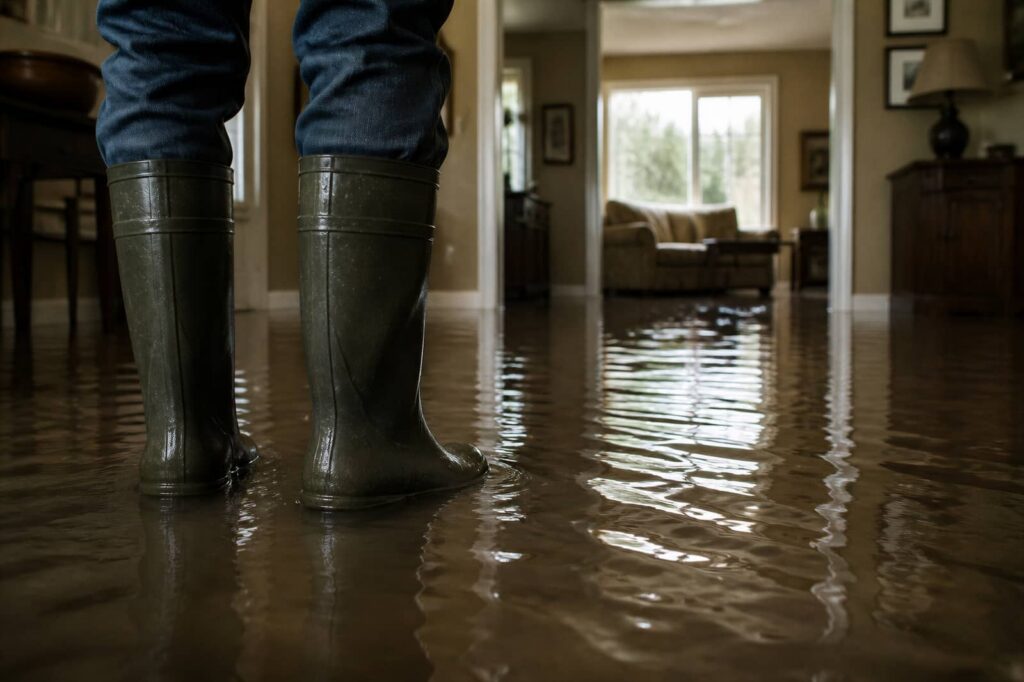
Fast cleanup matters because every hour water sits in your building increases the chance of structural damage, mold growth, and inventory loss.
When you act quickly, you protect your facility, reduce business disruption, and show your team and customers that you’re in control. Delay can turn a manageable incident into a costly setback that affects operations, revenue, and reputation.
Fast response also helps you document losses while conditions are still clear, making it easier to move forward with confidence.
In a commercial setting, speed isn’t optional; it’s how you safeguard your investment and keep your business community strong.
The sooner you call for help, the sooner you can restore order, limit damage, and get back to serving your customers with confidence.
How Pros Dry, Clean, and Sanitize Your Building
Pros assess the affected areas, remove standing water, and set up drying equipment to bring moisture levels down quickly and safely.
You get a targeted drying plan that reaches floors, walls, insulation, and other hidden spaces where moisture can linger. Technicians monitor conditions, adjust airflow, and use professional tools to keep the process controlled and efficient.
After drying, they clean hard surfaces, treat contaminated materials, and remove residue that floodwater leaves behind. They then apply sanitizing agents to reduce harmful bacteria, odors, and microbial growth.
This careful approach helps you restore a healthier environment for your team and customers. With trained pros handling each step, you stay confident that your building gets the attention it needs and your business stays part of a prepared, resilient community.
How Flood Cleanup Cuts Downtime and Repair Costs
When you bring in professional flood cleanup quickly, you limit how long operations stay offline and reduce the chance of secondary damage. You keep water from soaking deeper into floors, walls, and equipment, so repairs stay smaller and less costly.
Crews extract standing water, dry hidden moisture, and clean affected areas before mold, corrosion, and structural weakening can spread. That faster response helps you reopen sooner, protect inventory, and avoid repeat work that drives up labor and material expenses.
You also gain a clearer path back to normal because trained teams work in a coordinated way, which reduces delays and confusion. For your business, that means less lost revenue, fewer interruptions for your staff, and a quicker return to the standards your customers expect.
How to Choose the Right Flood Cleanup Team
Choosing the right flood cleanup team matters just as much as acting quickly. You need a crew that responds fast, documents damage, and restores your space with minimal disruption.
Look for proven commercial experience, 24/7 availability, and clear communication from the first call. Ask whether they handle extraction, drying, sanitation, and repairs in-house, because that coordination keeps your team on track.
You should also confirm licensing, insurance, and strong references from other businesses like yours. A dependable partner explains the process, gives honest timelines, and updates you as work moves forward.
When you choose a team that understands commercial losses, you protect your property, your staff, and your place in the community. That support helps you get back to business with confidence.
Frequently Asked Questions
Do I Need to Notify My Insurance Company Immediately?
Yes, you should notify your insurance company right away. You’ll protect your claim, meet policy deadlines, and speed up recovery. Document damage, limit further loss, and keep records of every conversation and expense.
How Do You Handle Contaminated Floodwater Safely?
You handle contaminated floodwater safely by isolating the area, wearing gloves, boots, and a respirator, then removing water with disinfected equipment. Coincidentally, fast action protects both your team and your property while limiting exposure.
Can Business Equipment Be Restored After Flooding?
Yes, you can often restore business equipment after flooding if you act fast. You’ll need to dry, clean, inspect, and test it quickly. You should call specialists, since delays can increase damage and downtime.
What Documents Should I Keep for My Claim?
Keep receipts, photos, videos, inventory lists, repair estimates, contractor reports, invoices, and correspondence. You’ll also want insurance policies, business interruption records, payroll, and sales logs. These documents support your claim and speed approval.
Will Cleanup Interrupt Employee Access to the Building?
Yes, cleanup can briefly limit employee access, but you won’t be left high and dry. You’ll get clear staging, safety zones, and phased entry so your team can keep working with minimal disruption.
Recap
When floodwater hits your business, every minute counts. You need a team that can extract water, dry materials, sanitize surfaces, and document losses fast. With the right 24/7 cleanup crew, you can cut downtime, protect assets, and get back to serving customers sooner.