
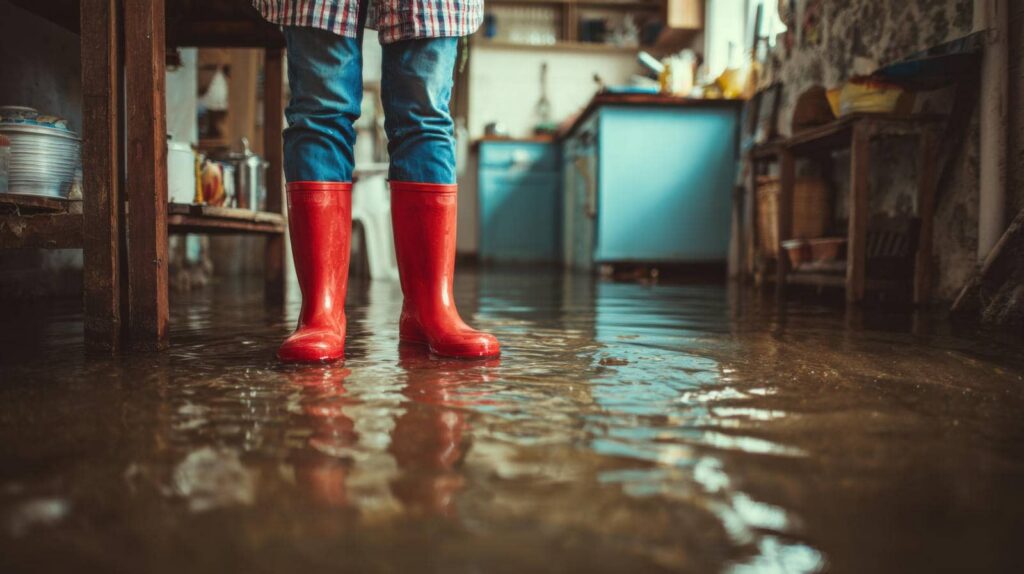
When you shut off power, move valuables, and call for help, you limit damage, speed recovery, and reduce risk. After heavy rain or storm intrusion, water can hide in walls, under floors, and inside insulation, where it keeps spreading and feeding mold. Professional water removal services use extraction, moisture mapping, and controlled drying to restore your space, and the next steps can make the difference between a quick fix and a costly rebuild.
Key Takeaways
- Shut off power if safe, then remove standing water quickly with pumps or wet vacuums to reduce damage.
- Document flooding and damaged items, and move salvageable belongings to dry, ventilated areas.
- Inspect for hidden moisture in walls, subfloors, and insulation using moisture meters or thermal tools.
- Use air movers, dehumidifiers, and ventilation to dry affected areas and keep humidity below 60%.
- Hire a 24/7 water removal company for rapid response, damage documentation, and professional drying.
What To Do After Heavy Rain Floods Your Home
After heavy rain floods your home, you need to act quickly to limit damage and reduce the risk of mold, structural issues, and contaminated materials.
First, shut off electricity to affected areas if it’s safe, then document the water line and damaged belongings for your records.
Remove standing water with pumps, wet vacuums, or water removal services after heavy rain, because fast extraction helps protect flooring, drywall, and insulation.
Next, move salvageable items to a dry, ventilated space and separate porous materials that stayed soaked.
Open windows, run fans, and use dehumidifiers to lower humidity.
Don’t walk on unstable surfaces.
Call your trusted restoration team early so you can feel supported, get a clear plan, and restore your home before further deterioration sets in.
Why Heavy Rain Causes Indoor Water Damage
Heavy rain can overwhelm roofs, gutters, drains, and the soil around your foundation, forcing water into places your home was never meant to take it. When runoff can’t move fast enough, hydrostatic pressure pushes moisture through cracks, joints, and weak seals. You may notice damp walls, warped trim, or ceiling stains.
Roof valleys and flashing can funnel water inward.
Saturated soil can press moisture through foundation walls.
Wind-driven rain can slip past window and door seals.
You’re not alone when this happens; storms test even well-built homes. By understanding these pathways, you can see why indoor water damage spreads so quickly and why prompt water removal services matter after a heavy rain event.
What Water Removal Services Handle First?
When water gets inside your home, removal teams start by stopping further spread and reducing the most urgent risks. You’ll usually see them isolate affected areas, shut off unsafe power if needed, and assess standing water, saturated flooring, and wet insulation.
They then extract visible water, lift damp rugs or pads, and document damage so your recovery plan stays organized. Next, they identify hidden moisture in walls, trim, and subfloors with meters and thermal tools.
This early work matters because it helps protect structural materials, limits microbial growth, and keeps your home’s air safer. If you’re facing storm intrusion, you’re not dealing with this alone; the process is built to guide your space from immediate threat toward stable, controlled drying.
Fast Help For Flooded Homes
When your home floods, you need immediate water extraction to remove standing water before it spreads into flooring, walls, and insulation.
You can count on fast-response crews to deploy pumps, vacuums, and moisture meters so they target the affected areas right away.
This quick action helps prevent further damage, limits material loss, and reduces the risk of structural and microbial issues.
Immediate Water Extraction
Even after the rain stops, standing water can keep damaging your home, so immediate water extraction removes floodwater quickly to limit soaking, protect flooring and walls, and reduce the spread of moisture into hidden areas.
You get a faster start when technicians use pumps, vacuums, and moisture meters to pull water from carpets, subfloors, and low spots. That quick response helps your home feel manageable again, and you’re not facing the cleanup alone.
- They assess water depth and material saturation.
- They extract pooled water from affected rooms.
- They check concealed spaces for trapped moisture.
This process gives you a clear path forward and supports your home’s recovery with calm, skilled care.
Preventing Further Damage
Once the visible water is removed, fast action still matters because moisture can keep spreading into drywall, insulation, trim, and subflooring.
You should start drying right away with air movers, dehumidifiers, and open pathways for airflow. Remove wet rugs, baseboards, and saturated contents so trapped moisture doesn’t feed mold or structural swelling.
Check hidden spaces behind cabinets and inside wall cavities with moisture meters; these areas often stay damp longer than you’d expect.
Seal off unaffected rooms to limit contamination, and keep HVAC systems off until you’ve confirmed they’re clean and dry.
If you’ve had storm intrusion, you’re not alone—acting quickly helps protect your home’s structure, reduces repair costs, and gives your household a safer place to recover.
How Pros Dry Floors, Walls, And Furniture
Professionals dry floors, walls, and furniture by first removing standing water, then using high-capacity extractors, air movers, and dehumidifiers to pull moisture out of the structure and contents.
You’ll see a coordinated setup that targets hidden dampness while protecting finishes and framing. Technicians map wet areas, lift baseboards if needed, and position equipment for steady airflow across each surface.
Carpet and padding get extracted.
Wall cavities and trim get aired out.
Wood furniture gets rotated and monitored.
They check moisture levels as they go, so you know the drying plan is working. That careful approach helps you reclaim your space with confidence, and it keeps every room moving toward normal faster.
How Water Removal Services Stop Mold Growth
You stop mold growth fastest when water removal services extract moisture quickly from floors, walls, and porous materials before spores can colonize damp surfaces.
They also use hidden water detection to find trapped moisture behind finishes and under flooring, so you’re not left with unseen pockets that keep feeding mold.
After extraction, they control indoor humidity with drying and ventilation measures, which helps keep conditions too dry for mold to spread.
Rapid Moisture Extraction
Rapid moisture extraction begins as soon as water removal crews arrive, because damp drywall, carpeting, insulation, and subfloors can start supporting mold growth within a short time after heavy rain intrusion. You’re protected by fast, methodical drying that limits the time moisture lingers in your home.
Crews remove standing water, then set airflow, dehumidification, and material drying in motion so surfaces can return toward safe conditions.
- Pump out pooled water.
- Pull moisture from fabrics and structural layers.
- Dry the air to slow microbial activity.
This process helps you keep your space stable, clean, and comfortable while reducing the chance that musty odors and staining take hold.
When the work moves quickly, you’re not facing this alone; you’re backed by a team focused on restoring your home safely.
Hidden Water Detection
Even after surface water is pumped out and drying equipment starts running, moisture can stay trapped where you can’t see it. You need hidden water detection to protect your home from mold before it starts.
Technicians use moisture meters, thermal imaging, and targeted inspections to find dampness inside wall cavities, under flooring, and behind trim. They trace seepage paths from storm intrusion, then open only the areas that truly need drying. This keeps your cleanup focused and reduces unnecessary damage.
When you identify concealed wet materials quickly, you stop mold from taking hold and spreading spores through shared spaces. That means you and your household can return to a safer, cleaner environment with confidence, knowing no silent pocket of water was left behind to cause new problems.
Humidity Control Measures
Humidity control is one of the most important ways water removal services stop mold growth after a storm. You need fast dehumidification to pull excess moisture from walls, floors, and air before spores can settle.
Technicians monitor relative humidity, target safe levels below 60%, and balance airflow so your space dries evenly, not just on the surface. That keeps you protected and part of a healthier recovery process.
- Place industrial dehumidifiers in saturated rooms.
- Run air movers to break up damp pockets.
- Check readings daily and adjust equipment.
When moisture drops steadily, materials dry faster, odors fade, and mold loses the conditions it needs to spread.
You’re not handling this alone; your restoration team keeps every step controlled, measured, and reassuring.
When Extraction Equipment Is Needed
When standing water remains after heavy rain, extraction equipment is often necessary to remove it quickly and prevent further damage.
You’ll need it when carpets, padding, tile joints, or low spots hold more than a thin film of water. Pumps and weighted vacuums pull out bulk water faster than towels or fans, limiting seepage into subfloors, wall cavities, and insulation.
If you notice squishy flooring, damp baseboards, or water migrating under furniture, extraction helps stop hidden moisture from spreading.
Using the right machine also supports safer drying, because your space reaches target moisture levels sooner. That means you can protect materials, reduce odor risk, and get your home back to normal with less disruption.
How To Choose A Reliable Water Removal Company
A reliable water removal company should respond quickly, explain its process clearly, and have the equipment to handle both visible flooding and hidden moisture. When you compare providers, you’re looking for a team that treats your home like part of its own community.
Check for:
- 24/7 dispatch and rapid arrival after storm intrusion.
- Moisture meters, air movers, and dehumidifiers for precise drying.
- Trained technicians who document damage and communicate next steps.
Ask whether they inspect walls, subfloors, and insulation, since trapped water can keep spreading after the surface looks dry.
You should also confirm insurance coordination and written estimates. A dependable company won’t rush you; it’ll guide you through each phase, reduce uncertainty, and help you regain a safe, dry space with confidence.
Frequently Asked Questions
How Quickly Should Water Removal Begin After Storm Intrusion?
You should start water removal immediately, ideally within hours, because delays let moisture spread, materials degrade, and mold grow. You’ll protect your space faster, reduce repairs, and keep your home safer and drier.
Are Belongings Salvageable After Heavy Rain Flooding?
Yes, many belongings can be salvaged if you act quickly. You’ll improve chances by removing items, drying them thoroughly, and cleaning contamination promptly. Porous materials may need disposal, but hard surfaces often recover well.
Does Insurance Usually Cover Water Removal Services?
Usually, yes—if you’ve got flood or water-damage coverage, you’re likely covered. You’ll file promptly, document losses, and call your insurer; they’ll review your policy, confirm limits, and guide your claim.
How Long Does the Drying Process Typically Take?
You’ll usually see drying take 2–5 days, but it can take longer if materials stayed soaked, humidity’s high, or airflow’s limited. You’ll get faster results with dehumidifiers, fans, and steady monitoring.
Can Water Damage Hide Behind Walls or Under Floors?
Yes—water damage can hide behind walls or under floors. You’ll miss hidden moisture without meters and thermal imaging. Acting fast helps you protect your home, reduce repairs, and feel supported.
Summary
So, after the storm turns your living room into a regrettable indoor pond, you know the drill: shut off power, call in water removal services, and let professionals chase hidden moisture before mold moves in like an uninvited guest. They extract, dry, dehumidify, and assess, so your floors, walls, and furniture don’t get a tragic sequel. Choose a reliable team, and you’ll restore safety, structure, and sanity with invigoratingly little drama.