
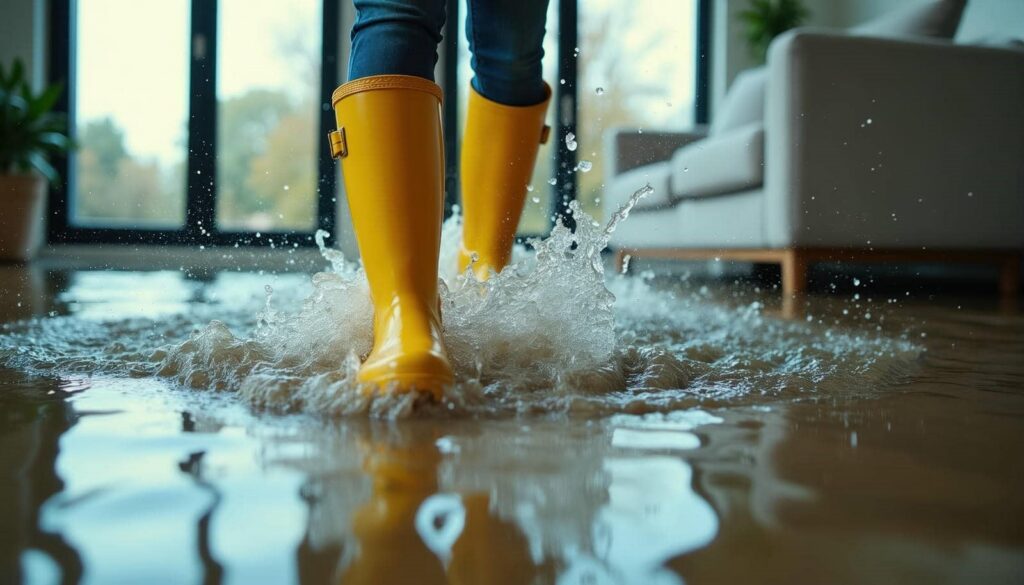
After storm flooding, you need to act fast to limit damage and reduce health risks. First, make the area safe, then document everything for your insurer and begin removing standing water. Drying needs to start right away, but hidden moisture can still trigger mold and structural issues. Some materials can be saved, others can’t, and knowing the difference is critical when the next steps start to matter.
Key Takeaways
- Document all water intrusion with photos and notes, and contact your insurer and a qualified restoration team immediately.
- Prioritize safety: avoid floodwater, check for electrical hazards, wear protective gear, and use flashlights instead of candles.
- Remove wet belongings, separate them from dry items, and isolate the affected area to limit contamination spread.
- Start water removal and drying quickly using pumps, wet/dry vacuums, fans, and dehumidifiers to reduce damage.
- Watch for mold, sewage, or hidden moisture, and replace saturated materials or call professionals for severe damage.
What to Do First After Storm Flooding?
After storm flooding, you should act quickly to reduce damage and safety risks. Start by documenting visible water intrusion, saturated materials, and affected rooms with photos and notes.
Then contact your insurer and a qualified restoration team so you’re not handling emergency water damage after storm flooding alone.
Remove loose, nonporous items you can safely relocate, and separate wet belongings from dry ones to limit transfer.
Open windows only if weather conditions allow and indoor humidity stays manageable.
Shut off damaged electrical circuits if you can do so without entering standing water.
Set fans and dehumidifiers in place as soon as the structure is ready.
Acting fast helps your home dry sooner, lowers repair costs, and keeps your recovery team aligned from the start.
Make the Area Safe First
Before you enter, check for electrical hazards and shut off power if it’s safe to do so.
Stay out of floodwater that may be contaminated, and assume any standing water could hide hazards.
Wear protective gear like waterproof boots, gloves, and a mask so you can work safely.
Check Electrical Hazards
If floodwater has reached outlets, appliances, or wiring, you need to treat the area as energized until a qualified electrician confirms it’s safe.
Shut off power at the main breaker only if you can reach it without standing in water. Don’t touch switches, cords, or metal fixtures, and keep everyone away from damp electrical equipment.
Use a flashlight instead of candles to reduce fire risk. If you smell burning, hear buzzing, or see sparks, leave the area and call emergency services.
Once the utility company or electrician clears the system, you can start cleanup with confidence. You’re not handling this alone; careful checks now help protect your home, your team, and your next steps.
Avoid Contaminated Water
Floodwater can carry sewage, chemicals, and bacteria, so treat it as contaminated until proven otherwise. You don’t need to guess whether it’s safe; you need to keep people out until you know more.
Start by isolating the wet area and stopping foot traffic through it. If water has reached food, baby items, or porous materials, separate them from clean spaces right away. Use your team’s shared rule: if it touched floodwater, it’s unsafe until assessed.
- Protect your home
- Protect your family
- Protect your neighbors
- Protect your peace of mind
Mark the boundary clearly, close doors, and keep pets away. This simple control reduces spread and helps everyone stay focused on recovery.
Wear Protective Gear
Put on the right protective gear before you enter the wet area so you can work safely and avoid direct contact with contaminated water.
Wear waterproof boots, heavy gloves, long sleeves, and eye protection; if flooding involved sewage, add a respirator rated for mold and particulates.
Check every item for tears, leaks, or loose seams before you start. Keep your skin covered, and change out of wet clothing right away.
If you’re working with others, agree on safe entry, exit, and cleanup steps so everyone stays protected and coordinated.
This isn’t about overcaution; it’s about controlling exposure and reducing illness risk.
When you suit up correctly, you protect yourself, support your crew, and make the whole recovery process safer.
Document the Water Damage
Before cleanup begins, document the damage with clear photos and video of every affected area, including walls, floors, furniture, appliances, and visible water lines.
Use your phone’s timestamp and, if possible, capture wide shots and close-ups to show context and detail.
Keep notes on room names, moisture signs, odors, and any broken materials.
Save copies in cloud storage so you can share them quickly with your insurer or restoration team.
You’re not alone in this process; solid records help protect your claim and your home.
- Show the full extent of loss
- Preserve proof before changes happen
- Reduce claim disputes later
- Support faster, calmer recovery
Remove Standing Water and Start Drying
Begin removing standing water as soon as it’s safe to enter the area, using a sump pump, wet/dry vacuum, mops, or buckets for smaller amounts.
Work from the lowest point outward so you don’t spread water into clean areas. Wear boots and gloves, and keep electrical equipment away from wet surfaces unless it’s rated for damp conditions.
Once bulk water is gone, move air with fans and open windows if outdoor conditions are dry. Run dehumidifiers to pull moisture from the air and speed evaporation.
Lift rugs, furniture, and cardboard off the floor so air can circulate underneath. Replace saturated materials you can’t dry quickly.
The faster you reduce moisture, the better you protect your space and support a safer recovery for everyone involved.
Check for Hidden Moisture and Mold
Even after visible water is removed, hidden moisture can remain in walls, floors, insulation, and cabinets, so check these areas right away with a moisture meter or by looking for soft spots, swelling, stains, and peeling paint.
You’ll protect your home and your people by catching damp pockets before they spread. Inspect baseboards, behind furniture, and under sinks. If you notice a musty odor, dark spots, or condensation, assume mold may be starting.
Keep air moving with fans and dehumidifiers, and monitor readings daily until levels drop to normal.
- Spotting damage early eases stress
- Quick checks reduce repair costs
- Clean air helps everyone feel safer
- Staying alert keeps your household together
Decide What to Save and Throw Out
After floodwater exposure, sort items into three groups: salvage, clean, or discard. You can usually save hard, nonporous items like glass, metal, and sealed plastics if you wash and disinfect them promptly.
Set aside washable fabrics, clothing, and bedding for hot laundering and full drying. Throw out porous materials that soaked up dirty water, including drywall, insulation, carpets, mattresses, paper goods, and food.
If an item smells musty, stays swollen, or shows staining, treat it as contaminated. Keep a simple list so your household stays organized and everyone knows what’s safe to keep.
Wear gloves while handling wet belongings, and move the keep pile to a clean, dry area right away. This helps you protect your space and support one another.
Know When to Call Restoration Help
If you see soaked drywall, warped flooring, structural shifting, or water that’s reached electrical systems, you should call restoration help right away.
You’ll also need professional support if the floodwater is contaminated or if mold could start growing within 24 to 48 hours.
Fast intervention helps limit damage and keeps your cleanup safer and more effective.
Severe Damage Signs
When storm flooding leaves standing water, soaked drywall, sagging ceilings, warped floors, or a strong musty odor, you’re likely dealing with severe damage that needs professional restoration help.
You shouldn’t wait when the structure feels unstable or moisture keeps returning after you mop. Call a trained team if:
- ceilings bow or stain spreads
- floors bounce, lift, or split
- walls feel soft, swollen, or cold
- outlets, breakers, or appliances were hit
These signs mean hidden water is still active and your home needs controlled drying and inspection.
Acting fast protects your space, your routine, and the people you count on. You’re not overreacting—you’re taking the right step to bring your home back to safe, livable condition.
Mold And Contamination
Floodwater doesn’t just soak materials; it can carry sewage, bacteria, and other contaminants into your home. You should treat every wet surface as potentially hazardous until you know it’s clean.
If walls, insulation, carpet, or cabinets stay damp more than 24 to 48 hours, mold can start growing fast. Watch for musty odors, discoloration, peeling paint, and soft drywall.
Wear gloves, boots, and an N95 if you must enter affected rooms, and keep kids and pets out. Don’t use fans to blow air across visibly contaminated water.
If you see widespread staining, sewage odor, or hidden moisture in cavities, call restoration help. You don’t have to manage this alone; trained teams can dry, disinfect, and protect your home and your people.
Frequently Asked Questions
How Soon Should Insurance Be Contacted After Flooding?
Contact your insurer as soon as you’re safe, ideally within 24 hours. You’ll speed claims handling, document damage early, and protect coverage. Then you can start cleanup, drying, and repairs with confidence.
Can Tap Water Be Safely Used During Cleanup?
No, you shouldn’t use tap water if advisories warn against it. Use bottled or disinfected water instead; it protects you, your team, and your home’s recovery, like a clear shield after a muddy storm.
What Protective Gear Is Needed for Flood Cleanup?
You’ll need waterproof gloves, boots, eye protection, an N95 or better respirator, and long sleeves. If you handle contaminated water, add coveralls and a face shield, so you stay protected, confident, and part of the recovery team.
How Do I Prevent Electrical Hazards After Flooding?
You should shut off main power, avoid standing water near outlets, and never touch wet devices. If you smell gas or see damage, call a licensed electrician. Keep everyone clear until inspections confirm it’s safe.
Will Flood Damage Affect Home Value Later?
Yes, flood damage can hit your home value like a freight train if you don’t document repairs. You can protect equity by drying fast, fixing damage, and keeping records that reassure buyers and appraisers.
Review
Act quickly after storm flooding: make the area safe, document the damage, and start removing water right away. Use fans and dehumidifiers, and keep checking for hidden moisture so mold doesn’t gain a foothold. Sort salvageable items from those beyond repair, and don’t hesitate to call restoration professionals when the damage is severe. Your prompt response can save time, reduce costs, and keep your property from becoming a 21st-century relic of neglect.