
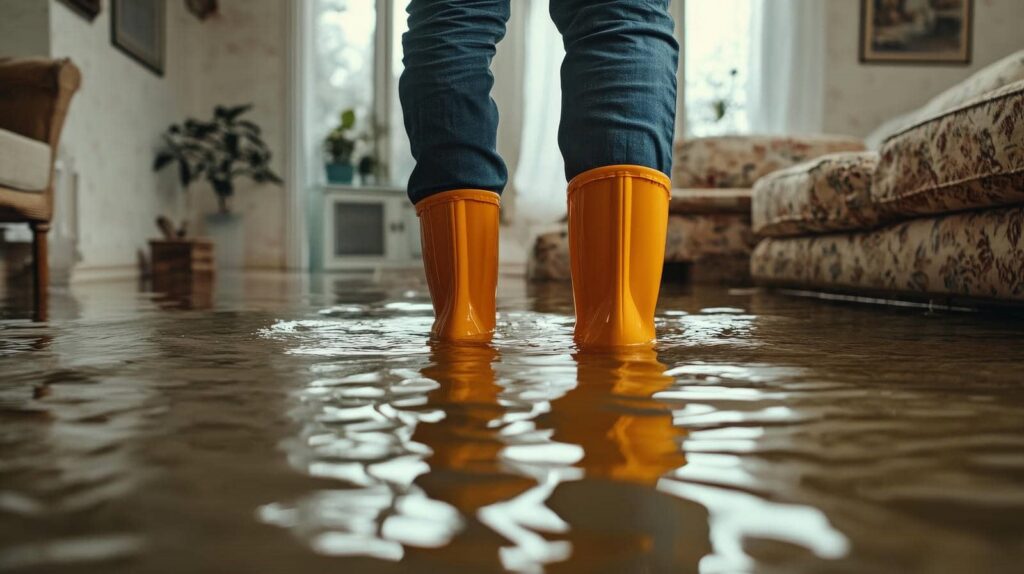
If your home floods, you need to act fast in the first 24 hours to limit structural damage and mold growth. You’ll need to remove standing water, protect yourself, and document everything before cleanup starts. Emergency water extraction uses specialized equipment to pull moisture from floors, walls, and hidden spaces, but timing matters. What happens next can decide whether you’re facing a quick recovery or a costly repair job.
Key Takeaways
- Shut off electricity, wear protective gear, and document damage before removing water.
- Remove standing water immediately with pumps, wet vacuums, and targeted extraction equipment.
- Quick extraction prevents warping, staining, hidden moisture, and higher restoration costs.
- Mold can begin within 24 to 48 hours, so drying should start right away.
- Use fans, dehumidifiers, ventilation, and professional help for soaked structural materials.
What to Do in the First 24 Hours
During the first 24 hours, you should remove standing water as quickly as possible to reduce structural damage and lower the risk of mold growth.
Turn off electricity to affected areas if you can do so safely, then protect yourself with boots, gloves, and a mask.
Move furniture, rugs, and electronics to dry spaces to prevent further loss.
Open windows and doors for ventilation if outdoor humidity is low.
Document damage with photos before you discard anything.
Contact your insurance provider and a trusted restoration team right away.
If you’re handling emergency water extraction for flooded homes, act fast and stay organized.
Keep children and pets away from wet zones, and check hidden areas like baseboards, closets, and under cabinets.
What Is Emergency Water Extraction?
Emergency water extraction is the rapid removal of standing water and excess moisture from a flooded home to limit structural damage and reduce mold risk.
You’re not just mopping; you’re using targeted equipment to pull water from floors, walls, and hidden cavities. The process usually includes:
- Inspecting affected areas
- Pumping out pooled water
- Vacuuming residual moisture
- Monitoring damp materials
You’ll often work with hoses, extractors, and air movers to reach wet spots you can’t see.
This method helps you regain control quickly and keeps your home’s recovery on track.
If you’re facing water intrusion, you’re not alone—this is the standard first response many homeowners rely on when conditions get serious and your space needs a precise, practical cleanup.
Why Fast Water Removal Matters
When water sits, damage spreads fast: drywall swells, wood warps, finishes stain, and moisture can move into framing and subfloors.
Fast removal lowers how long materials stay saturated, so you cut swelling, delamination, and hidden deterioration before they lock in. It also helps reduce the window where mold can start growing in damp cavities, carpet padding, and insulation.
You protect electrical systems, trim, and flooring by removing standing water before it wicks deeper.
In a flood, every hour counts because absorbed moisture travels beyond the visible spill line. Acting quickly keeps cleanup simpler, restoration costs lower, and your home safer for your family.
When you move fast, you’re not overreacting—you’re giving your space the best chance to recover cleanly and fully.
When to Call a Water Extraction Pro
If water is rising fast or has soaked walls, flooring, or insulation, you should call a water extraction pro right away.
You may not see all the damage, so watch for hidden moisture, soft drywall, musty odors, and warped materials.
A fast response helps limit structural damage and reduces mold risk.
Rapid Response Needs
Rapid water removal matters because standing water can quickly weaken building materials and create ideal conditions for mold growth.
You should call a water extraction pro fast when the flood covers more than a small area, keeps rising, or reaches outlets and HVAC equipment. A rapid response team helps you protect your home and stay in control.
- They bring high-capacity pumps and vacuums.
- They remove water before it soaks deeper.
- They document conditions for your claim.
- They help you restore a safer space sooner.
If you’ve got soaked flooring, warped baseboards, or a damp crawlspace, don’t wait.
The sooner you act, the easier it’s to get back to normal with your community around you.
Hidden Damage Signs
Even after the visible water is gone, hidden damage can keep spreading behind walls, under floors, and inside insulation.
You should call a water extraction pro if you notice musty odors, warped baseboards, soft drywall, peeling paint, or stains that grow after drying.
Look for damp carpet padding, buckled flooring, and outlets or breakers that act oddly. If moisture readings stay high, the structure may still hold water you can’t see.
A pro uses thermal imaging, meters, and targeted extraction to find trapped moisture and reduce mold risk.
Don’t wait for visible decay; by then, repair costs rise fast. When you act early, you protect your home, your routine, and the people who count on a safe space.
How the Extraction Process Works
The extraction process usually starts with a quick assessment of the flooded area, followed by pumping or vacuuming out standing water from floors, carpets, and other affected surfaces. You’ll see the team map wet zones, protect clean areas, and choose the right equipment fast.
- Measure moisture levels.
- Remove bulk water.
- Lift carpet and pad where needed.
- Confirm surfaces are ready for drying.
You stay informed at each step, so you know what’s happening and why it matters.
Technicians work methodically, moving from the deepest water to lighter saturation, and they adjust suction to match materials. That keeps the job efficient and helps your home recovery team work as one.
When the standing water’s gone, your space is ready for targeted drying.
How Delays Lead to Mold and Damage
If you delay water extraction, mold can start growing within 24 to 48 hours, especially on damp drywall, insulation, and subfloors.
The longer moisture stays in place, the more your structural materials weaken, warp, and decay.
Even after surfaces look dry, hidden moisture can remain in cavities and keep causing damage.
Mold Growth Timeline
Within hours of flooding, moisture can start feeding mold growth, and once it takes hold, damage spreads fast through drywall, wood, insulation, and other porous materials.
You need to act before spores settle and colonies expand.
- 0–24 hours: surfaces stay wet, and hidden cavities trap humidity.
- 24–48 hours: musty odor starts, and mold can begin on damp dust and debris.
- 48–72 hours: visible spots may appear, especially where air stays still.
- After 72 hours: cleanup gets harder, and contamination can spread across rooms.
If you’re part of a flood recovery crew, you know speed protects your home and your health.
Extract water, dry fast, and keep airflow steady so you can get back to a safer, cleaner space.
Structural Damage Worsens
When water sits in a flooded home, damage doesn’t stop at wet floors and walls—it keeps moving into framing, subfloors, insulation, and drywall.
You’ll see wood swell, fasteners loosen, and joints lose strength as materials stay saturated. If you wait, load-bearing parts can warp, sag, or split, making repairs more extensive and costly.
Drywall softens, crumbles, and loses rigidity, while floor systems can delaminate and buckle under normal use.
Quick extraction helps you stop that spread before small losses become structural failures. Acting fast also keeps your home in better shape for the crew, so they can dry, stabilize, and restore it more efficiently.
When your team moves quickly, you protect both the structure and your recovery timeline.
Hidden Moisture Risks
Even after surface water is gone, hidden moisture can remain trapped in cavities, under flooring, and behind baseboards, where it keeps feeding damage and creating ideal conditions for mold.
You need to act fast because delays let damp materials degrade and odors spread.
- Inspect wall voids, subfloors, and insulation.
- Remove wet padding, drywall, and trim.
- Run dehumidifiers and air movers continuously.
- Measure moisture until readings return to normal.
If you wait, spores can colonize within 24 to 48 hours, and wood, drywall, and adhesives can weaken.
Prompt extraction helps you protect your space, reduce repairs, and keep your home safer for everyone who lives there.
That quick response also helps your crew feel confident and supported.
How to Dry and Dehumidify Your Home
Start drying the home as soon as standing water is removed to slow structural damage and reduce mold growth. Open windows if weather helps, then run fans to move air across wet surfaces.
Place dehumidifiers in closed rooms and empty them often so they keep pulling moisture from framing, drywall, and flooring. Lift rugs, remove wet textiles, and separate furniture from walls to improve airflow.
Check hidden spaces with a moisture meter, especially under cabinets and along baseboards, so you know where drying is still needed. Keep HVAC running only if it’s safe and filters stay clean.
You’ll dry faster when you work methodically, monitor humidity, and keep every room on the same plan. That steady approach helps your crew stay coordinated and your home recover well.
Cleaning Up Mold After Flooding
If mold appears after flooding, you need to remove it quickly and safely to prevent it from spreading and damaging materials further.
Wear gloves, goggles, and an N95 respirator, then isolate the area so spores don’t travel through your home. Clean hard surfaces with detergent and water, then dry them completely.
Porous items like soaked drywall, carpet padding, and insulation usually need disposal because mold can penetrate deep inside.
- Inspect hidden spaces behind baseboards and under sinks.
- Bag contaminated debris before carrying it out.
- Scrub visible growth until no residue remains.
- Run exhaust fans while you work to reduce airborne moisture.
You’re not alone here; careful cleanup protects your space and helps your home feel livable again.
How to Prevent Future Water Damage
Once the cleanup is complete, you can lower the chance of another flood-related disaster by fixing the weak points that let water in.
Inspect the foundation, roof, windows, doors, and plumbing for cracks, loose seals, and corrosion. Seal gaps with the right caulk or hydraulic cement, and replace damaged weatherstripping.
Keep gutters clear and extend downspouts away from the house. Grade soil so it slopes away from the foundation.
Install a sump pump with battery backup, and test it before storm season. Add backflow valves to drains if flooding’s common in your area.
Store valuables on raised shelves and keep appliances elevated when possible. Stay connected with neighbors and local alerts so you can act fast when heavy rain’s coming.
Frequently Asked Questions
How Much Does Emergency Water Extraction Typically Cost?
You’ll typically pay $3 to $7 per square foot, or about $500 to $3,000 total, depending on water volume, access, and drying needs. You can expect higher costs after severe flooding or hidden damage.
Will My Homeowners Insurance Cover Flood Extraction Services?
Usually, no—you’ll need a separate flood policy for flood extraction services. You can check your homeowners policy for accidental discharge coverage, then call your insurer fast to confirm limits, exclusions, and claim steps.
How Long Does It Take to Fully Restore a Flooded Home?
You’ll usually need three days to several weeks, depending on water depth, materials, drying speed, and repairs. You’ll speed recovery by extracting water fast, removing damaged materials, and monitoring moisture daily.
Can I Stay in My House During Water Extraction?
You can sometimes stay, but you shouldn’t if water’s contaminated, electrical systems are compromised, or demolition’s underway. You’ll need safe access, ventilation, and cleared work zones. Ask the restoration team before you remain onsite.
What Equipment Do Professionals Use for Hidden Water Detection?
You’ll use thermal cameras, moisture meters, hygrometers, and borescopes—like lanterns and scouts in a hidden city—to find trapped water behind walls, under floors, and in ceilings so you can restore your home confidently.
Final Thoughts
In those first critical hours, you can cut chaos with quick, careful action. Call a water extraction pro, document damage, and start drying fast to stop structural stress and mold spread. You’ll protect your home with prompt pumping, powerful dehumidifiers, and precise cleanup. Stay proactive, stay prepared, and stay protected: regular inspections, smart safeguards, and swift response can save you time, money, and major misery after flooding.