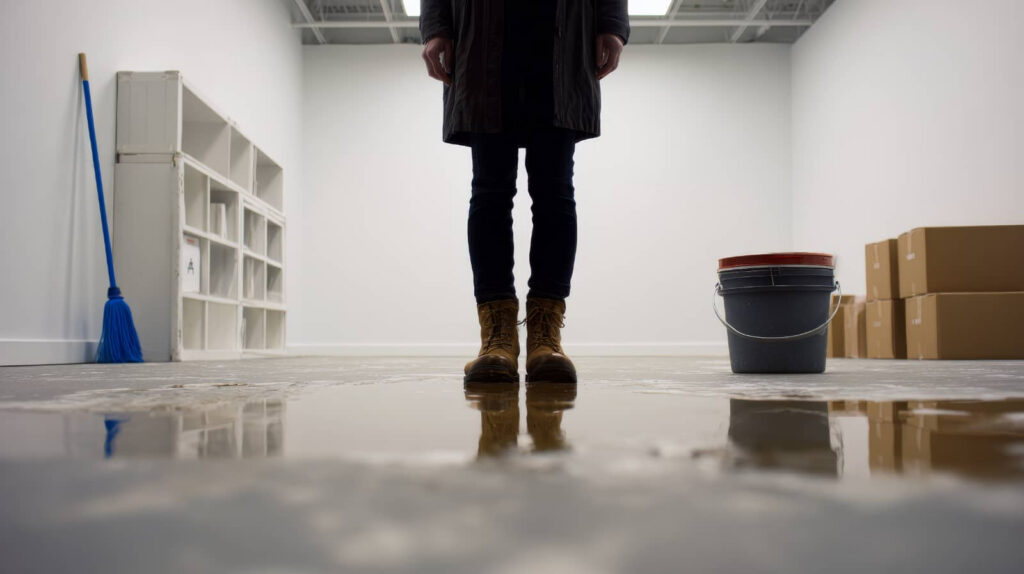
Commercial flood damage repair services help businesses respond quickly to flooding, minimize property damage, and reduce costly operational disruptions. Acting within the first few hours can help limit flood losses, especially when you safely shut down affected utilities, assess the damage, and begin professional water removal as soon as possible. Experienced restoration professionals develop a detailed recovery plan that includes water extraction, structural drying, moisture monitoring, contamination control, and necessary repairs. They also inspect affected building systems and equipment to identify potential safety concerns before reopening. Prompt commercial flood damage repair helps reduce mold growth, protect business assets, and support a safer, more efficient return to normal operations.
Key Takeaways
- Commercial flood repair starts with safety steps like shutting off utilities, restricting access, and documenting damage immediately.
- Professional teams assess hidden water damage using moisture meters, thermal imaging, and detailed inspection reports for insurers.
- They remove standing water, mud, and contaminants, then disinfect surfaces to reduce mold and health risks.
- Drying, structural repairs, and electrical or HVAC restoration follow, with unsafe materials and components replaced as needed.
- Before reopening, crews test all systems, confirm compliance, and complete a final walkthrough to ensure safe operations.
What to Do After a Commercial Flood
After a commercial flood, you should act quickly to limit further damage and support faster recovery. Shut off electricity and gas if it’s safe, then restrict access to affected areas to protect your team and equipment.
Document visible damage with clear photos, but don’t move soaked materials unless they create a hazard. Remove standing water and begin drying surfaces with professional-grade air movers and dehumidifiers.
Contact commercial flood damage repair services right away so you can coordinate extraction, sanitation, and structural drying without delay. Preserve records of damaged inventory, fixtures, and systems for your insurer and recovery team.
When you respond methodically, you protect your property, reduce downtime, and keep your business community connected through a safer, faster return to normal operations.
How the Flood Damage Assessment Works
Once the site is secured and drying has started, the assessment phase gives you a clear picture of what floodwater affected and what needs immediate attention.
A technician walks your property, documents visible damage, and checks structural materials, electrical systems, HVAC equipment, and contents for loss. They use moisture meters, thermal imaging, and photos to map hidden saturation and confirm where water migrated.
You’ll get a prioritized scope that separates urgent safety concerns from repairable areas, so your team can make informed decisions fast. This process also helps you coordinate with your insurer using accurate records and measured findings.
When you understand the extent of damage, you’re not guessing—you’re moving forward with a crew that knows how to protect your business and keep recovery on track.
Remove Water, Mud, and Contaminants
You’ll need to extract standing water first, using pumps, wet vacuums, or truck-mounted systems sized for the affected area.
Next, remove mud and debris with controlled manual cleanup and mechanical washing so you don’t spread contamination.
Then, clean and disinfect all impacted surfaces and materials to reduce microbial, chemical, and particulate hazards.
Water Extraction Methods
Effective water extraction starts with rapidly removing standing water, then pulling out mud, silt, and other contaminants before they spread deeper into the building.
You’ll want a technician to match the method to floor type, water depth, and access limits so your business space stays protected.
- Truck-mounted pumps remove high volumes fast
- Portable extractors reach tight offices and storage rooms
- Weighted wands pull moisture from carpet and pad
You should expect crews to monitor suction, document affected zones, and keep pathways clear for safe movement.
When you use the right extraction approach, you reduce structural loading, limit slip hazards, and help your team feel confident that recovery is underway.
Contaminant Removal Steps
After floodwater is removed, crews should immediately lift mud, silt, and debris from floors, baseboards, and low surfaces before contaminants dry and bond to materials.
You’ll then see technicians sort affected areas, isolate porous contents, and remove unsalvageable debris so clean zones stay protected.
They use HEPA vacuums, detergent washes, and approved disinfectants to clear residue from hard surfaces, while careful agitation releases trapped grime without spreading it.
They also wipe structural framing, equipment exteriors, and touchpoints, then bag waste for compliant disposal.
This controlled process reduces microbial growth, limits odor, and helps your team reenter a safer workspace sooner.
When you work with a skilled crew, you’re not handling cleanup alone; you’re restoring a healthier environment with every precise step.
Dry Out the Building to Prevent Mold
You need to remove any remaining standing water quickly, because pooled moisture accelerates mold growth and material deterioration.
Increase air circulation with fans and dehumidifiers so building components dry evenly and efficiently.
Monitor moisture levels in walls, floors, and framing until they return to safe ranges, and you’ll reduce the risk of hidden mold.
Remove Standing Water
Standing water has to be removed quickly so crews can dry the building and reduce the risk of mold growth. You should treat this step as a controlled extraction process, not a cleanup afterthought.
Trained technicians use pumps, wet vacuums, and sump equipment to lower water levels efficiently, then verify that hidden pockets aren’t left behind. When you act fast, you protect finishes, limit structural deterioration, and keep your recovery team working from a safer baseline.
- Extract water from floors, cavities, and low points
- Check for trapped moisture under materials
- Document conditions before and after removal
You’re not handling this alone; your restoration partners coordinate the work so your property can move toward stable, dry conditions with confidence.
Increase Air Circulation
Once standing water is removed, the next priority is increasing air circulation so the building dries evenly and mold has less chance to take hold. You should open interior doors, position high-velocity fans to move air across wet surfaces, and use dehumidifiers to pull moisture from the space.
In larger commercial properties, you can create directed airflow by separating affected zones and keeping pathways clear for equipment. This helps wall cavities, flooring, and concealed areas release trapped humidity faster.
If HVAC systems are safe to run, they can support drying without spreading contaminants. As part of your recovery team, you’ll want everyone working from the same plan so the building dries consistently and your business can move back toward normal operations with confidence and control.
Monitor Moisture Levels
Track moisture levels with regular readings from wall surfaces, flooring, structural framing, and concealed cavities to confirm the building is actually drying, not just feeling drier on the surface. You’ll use a calibrated moisture meter and document each reading so your recovery team can spot hidden damp zones before mold takes hold.
Consistent monitoring helps you stay in control and lets everyone on-site work from the same data.
- Compare readings to unaffected areas
- Check beneath baseboards and behind trim
- Log trends until materials stabilize
If numbers stall, keep dehumidifiers running and improve airflow. You’re protecting finishes, equipment, and indoor air quality while your business gets back on track.
This steady process helps your team feel confident, informed, and ready for reopening.
Repair Floors, Walls, and Structural Damage
When floodwater compromises your building, professional repair teams assess and restore floors, walls, and structural components to stop further deterioration and stabilize the property.
You’ll see them remove unsalvageable drywall, damaged subflooring, and warped framing, then dry and disinfect salvageable materials. They use precise measurements to confirm load-bearing integrity, replace compromised supports, and rebuild surfaces to match code requirements.
You stay informed through each step, so you know what’s safe to keep and what needs replacement. That clarity helps your team feel grounded during a disruptive recovery.
Skilled restoration also addresses cracks, delamination, and swelling before they spread. By repairing these elements quickly and correctly, you protect your building’s long-term strength, reduce hidden hazards, and move your business back toward normal operations with confidence.
Restore Electrical and HVAC Systems
Restoring electrical and HVAC systems after a flood requires careful inspection, testing, and cleanup before you power anything back on. You should have licensed technicians evaluate wiring, panels, motors, controls, and ductwork for moisture, corrosion, and hidden contamination.
They’ll isolate damaged circuits, dry components, and replace parts that can’t meet code or safety standards. That process protects your team and keeps your building’s systems dependable.
- Test every circuit before re-energizing
- Clean and sanitize HVAC components
- Verify airflow, grounding, and insulation integrity
When you work with specialists, you’re not handling this alone; you’re restoring a safe, compliant environment with people who understand commercial recovery.
Precise diagnostics now help prevent outages, equipment failure, and indoor air problems later.
Reopen Your Business After Repairs
Before you reopen, complete a final walkthrough to verify that repairs, cleaning, and system testing are finished and documented.
Check walls, floors, electrical panels, HVAC controls, fire safety devices, and plumbing fixtures for proper operation and no lingering moisture.
Confirm that dehumidifiers, air scrubbers, and odor treatment have fully cleared the space.
Then test internet, security, and point-of-sale systems so your team can resume work without avoidable delays.
Share a clear reopening plan with staff, vendors, and customers so everyone knows access points, safety limits, and service expectations.
When you post updates, you show your business community that you’re ready, organized, and reliable.
With every verified system and communicated step, you help your property return to normal operations confidently and safely.
Frequently Asked Questions
Are Commercial Flood Repairs Covered by Standard Business Insurance?
Usually, you’re not covered by standard business insurance for flood repairs; you’ll need separate flood coverage. Review your policy, since some water damage may qualify, and your agent can confirm what’s included quickly.
How Long Do Emergency Flood Repair Services Usually Take?
Usually, you’ll see emergency flood repairs start within hours and stabilize damage in 1–3 days; most mitigation work finishes within a week, depending on water depth, contamination, and your site’s access.
Can Repairs Continue While Part of the Building Remains Open?
Yes, you can often keep part of the building open while repairs continue. You’ll need phased containment, clear safety barriers, and coordinated scheduling, so you protect occupants, maintain operations, and minimize disruption throughout the work.
What Permits Are Needed for Major Commercial Flood Restoration?
You’ll usually need building, electrical, plumbing, demolition, and environmental permits; for example, if mold’s exposed, you’d also need remediation approval. You’ll coordinate with local officials, so your restoration stays compliant, safe, and on track.
How Can Businesses Choose a Reliable Flood Damage Repair Contractor?
You should verify licensing, insurance, references, and 24/7 response capability, then compare written scopes, moisture-detection methods, and warranty terms. You’ll choose confidently when the contractor communicates clearly, tracks progress, and respects your business needs.
Summary
When you face commercial flood damage, acting fast does more than limit losses—it challenges the common theory that “minor” water exposure is harmless. In reality, hidden moisture, contaminants, and electrical risks can escalate quickly. You’ll protect your property best by shutting down utilities, documenting damage, removing water, drying thoroughly, and repairing systems methodically. With expert commercial flood damage repair services, you can restore safety, stability, and confidence, then reopen your business with less disruption.