After flood damage, you need to act fast and stay methodical. Flood Damage Repair should begin by securing the area, documenting the loss, and starting moisture removal before mold has a chance to take hold. From there, you’ll assess floors, walls, and hidden systems for structural and utility damage. Each step matters because the right sequence can help limit costly setbacks and shape the recovery ahead.
Key Takeaways
- Ensure the area is safe, turn off electricity if needed, and document damage for insurance.
- Start drying quickly with fans and dehumidifiers to slow mold growth.
- Remove unsalvageable materials and inspect walls, floors, and subfloors for structural damage.
- Have licensed professionals assess electrical, plumbing, and HVAC systems before reuse.
- Complete repairs with water-rated materials and add prevention measures like backflow valves and better drainage.
What to Do First After Flood Damage
First, make sure the area is safe before you begin any flood damage repair. Turn off electricity if you can do so without risk, and avoid standing water near outlets, appliances, or gas lines.
Next, document the damage with clear photos and notes so you’ve got a record for your insurer and repair team. Then, contact your insurance provider and local emergency services if they’re needed.
Remove valuable items only when it’s safe, and separate materials that can be saved from those that can’t. You’re not handling this alone; a careful, step-by-step approach helps your space recover.
Inspect walls, floors, and belongings for visible damage, then plan your flood damage repair with trusted professionals who understand what you’re facing and can guide you forward.
Dry Out Your Home Before Mold Starts
Once the area is safe, start drying your home as quickly as possible to slow mold growth and limit further damage.
Open windows if weather allows, and run fans to move air through wet rooms. Use dehumidifiers to pull moisture from the air, and empty them often so they keep working.
Remove soaked rugs, fabrics, and paper goods that you can’t fully dry. Lift cushions and furniture pads so air reaches hidden surfaces.
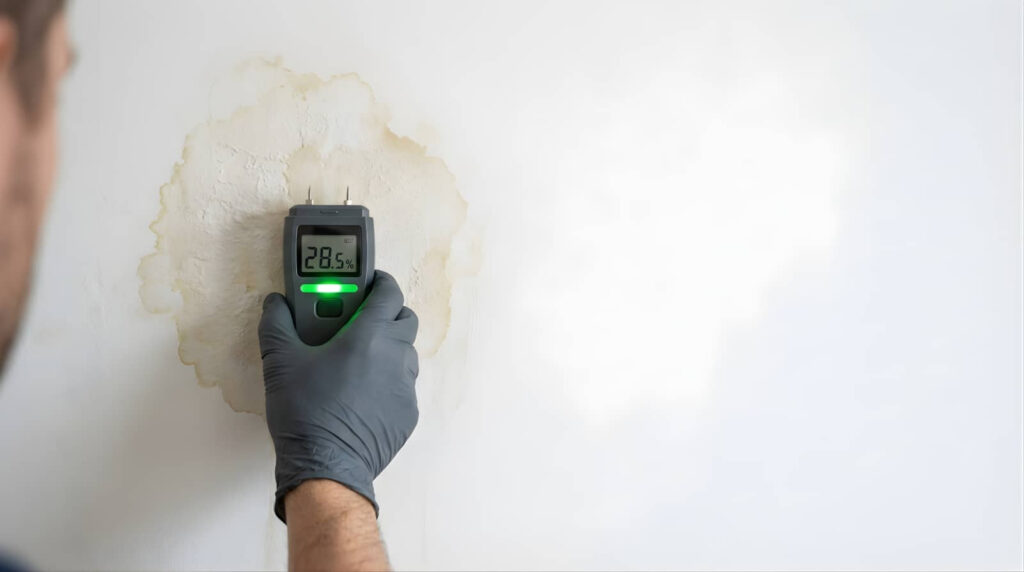
Check closets, cabinets, and baseboards, since trapped moisture lingers there. Keep humidity low and monitor surfaces for damp spots.
If you act steadily, you’ll give your home the best chance to recover and you’ll help your household stay ahead of mold.
Repair Flood Damage to Floors and Walls
Start by inspecting floors and walls for swelling, warping, soft spots, staining, and any signs of structural damage.
You’ll want to remove unsalvageable drywall, trim, and flooring so hidden moisture can’t linger. Cut back damaged wall sections to clean, dry edges, then replace them with approved materials that match the original assembly.
For subfloors, check for delamination, rot, and loosened fasteners; repair or replace compromised sections before reinstalling finish flooring.
Use straightedges and levels to confirm everything’s flat, square, and secure. Patch seams, tape joints, and sand smooth surfaces for a clean finish.
As you rebuild, you’re restoring a stable, familiar space for your household, one careful layer at a time.
Fix Electrical, Plumbing, and HVAC Damage
Next, assess all electrical, plumbing, and HVAC systems for water intrusion, corrosion, and hidden damage before you restore service. You’ll protect your home and everyone in it by treating each system carefully and methodically.
Call licensed professionals to inspect panels, outlets, wiring, pipes, valves, furnaces, ducts, and condensate lines. They’ll test components, replace compromised parts, and verify safe operation.
- You’ll reduce the risk of shock, leaks, and airborne contamination.
- You’ll restore comfort with confidence, not uncertainty.
- You’ll give your household a steady, dependable place to recover.
Keep damaged equipment out of service until it’s cleared. If you hear buzzing, smell gas, or see moisture near equipment, stop and get help right away.
Careful repair supports a safer return.
Finish Repairs and Reduce Future Flood Risk
With the electrical, plumbing, and HVAC systems cleared, you can complete the remaining repairs and harden the home against another flood.
Replace damaged drywall, insulation, flooring, and trim with materials rated for wet conditions where possible. Seal wall penetrations, check framing for hidden decay, and verify that subfloors are dry before you close surfaces.
Install backflow valves, raise appliances, and move outlets or switches above expected flood levels. Improve grading, gutters, and downspouts so water moves away from the foundation.
If your area faces repeated flooding, consider flood vents or a sump pump with battery backup.
As you finish, document each step, keep permits current, and schedule a final inspection. You’re not just restoring a house; you’re rebuilding a safer place to belong.
Frequently Asked Questions
How Do I Document Flood Damage for Insurance Claims?
You should photograph every damaged area, list affected items, note dates, and save receipts. Don’t discard anything until the adjuster reviews it. If you can, back up records digitally and share them promptly.
What Items Should Be Thrown Away After Flooding?
You should throw away porous items like carpet, mattresses, insulation, drywall, upholstered furniture, and food or medicine touched by floodwater. You’ll also discard damaged electronics, cosmetics, and anything moldy, swollen, or contaminated beyond cleaning.
How Long Does Flood Repair Usually Take?
Flood repair usually takes days to months, depending on damage, drying, demolition, and rebuilding. You’ll move faster with prompt assessment, insurance approval, and skilled contractors, and you’re not facing it alone.
Can I Stay in My Home During Flood Repairs?
Sometimes you can, but you’ll need to verify safety, moisture levels, and utility status first. If crews isolate damaged areas and keep air clean, you can stay; otherwise, temporary relocation’s safer and more comfortable.
How Do I Find a Qualified Flood Restoration Contractor?
To find a qualified flood restoration contractor, you’ll vet licenses, insurance, IICRC training, references, and detailed estimates. Compare clear scopes, document methods, and choose someone who treats your home like their own, restoring trust steadily.
Final Thoughts
You’ve handled the hardest part: starting recovery with care and urgency. Keep drying, repairing, and checking systems in a methodical order so hidden damage doesn’t spread like a quiet leak behind a wall. When you replace materials, choose moisture-resistant options and confirm every system works safely. Then strengthen drainage, sealing, and other defenses. With each careful step, you’ll restore your home and reduce the risk of another flood.