
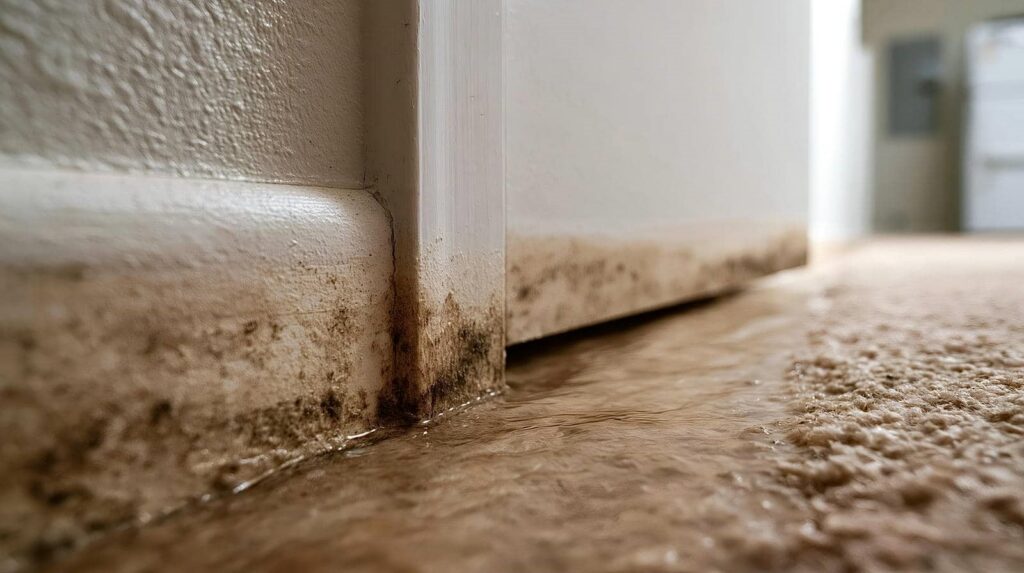
Mold can start growing in just 24 to 48 hours after emergency water damage, so every hour counts. You need to act fast because moisture trapped in drywall, wood, and other porous materials gives spores the conditions they need to spread. Quick extraction, airflow, and thorough drying can change the outcome, but the real risk often begins before you can see any visible growth.
Key Takeaways
- Mold can start growing within 24 to 48 hours after water damage if moisture remains.
- Warm, still air and porous materials like drywall or wood speed mold growth.
- Standing water, soaked carpet, swollen drywall, and musty odors are early warning signs.
- Immediate water removal and fast drying with fans and dehumidifiers help prevent mold.
- Remove saturated materials that cannot dry within 24 to 48 hours and keep humidity below 60%.
How Fast Mold Starts After Water Damage
Mold can start growing within 24 to 48 hours after water damage, and the exact timing depends on how much moisture remains, the temperature, and how well the area dries.
When you’re dealing with how fast mold starts after emergency water damage, you need to treat every wet surface as time-sensitive. You can reduce risk by removing standing water, increasing airflow, and drying materials thoroughly.
If walls, flooring, or insulation stay damp, mold may begin before you can see it. You’re not alone in this process; quick, methodical action gives you the best chance to protect your space.
Use moisture meters or a professional inspection to confirm dryness, then document what you find so you can respond with confidence.
Why Mold Grows Fast After Water Damage
When moisture lingers after water damage, spores find the conditions they need to spread quickly. You’re dealing with a biology problem as much as a cleanup task: mold needs water, a food source, and suitable temperature to germinate.
Porous materials like drywall, wood, carpet, and insulation trap moisture inside, so surfaces can look dry while the core stays damp. In warm, still air, spores absorb water, activate, and begin colonizing within hours. Dust, cellulose, and even tiny residues give them nutrients to anchor and grow.
The faster you remove moisture, the less time spores have to establish colonies. You’re not alone in this; many homes face the same hidden risk after flooding or leaks, and prompt drying greatly lowers it.
What to Do in the First 24 Hours
During the first 24 hours, your priority is to stop the source, remove standing water, and start drying immediately.
Shut off water, power off wet circuits, and call your restoration team or plumber if the leak isn’t fixed. Use pumps, mops, towels, and a wet vac to clear visible water.
Open windows if outdoor air is dry, and run fans plus dehumidifiers to pull moisture from the air and materials. Move furniture, rugs, and boxes out of the wet zone so air can circulate.
Discard saturated porous items that can’t be cleaned safely. Track humidity and keep affected rooms cool, dry, and well ventilated.
Acting fast protects your home, lowers cleanup costs, and helps your household stay steady, informed, and in control.
Signs of Mold After Water Damage
Even with fast drying, you still need to watch for early mold growth after water damage. You may notice a musty odor before you see anything visible.
Check for small gray, green, or black spots on drywall, baseboards, ceiling edges, and around vents. Look for fuzzy or slimy patches, staining that keeps spreading, or paint that bubbles and lifts.
If you feel dampness, cool surfaces, or see dust-like residue returning after cleaning, treat it as a warning sign. You shouldn’t ignore allergy-like symptoms, such as sneezing or throat irritation, when they appear in the same area.
Trust your observations and act quickly. When you catch these changes early, you protect your space, your health, and the people who belong there with you.
How Water Gets Trapped in Materials
Water gets trapped in porous materials when it soaks into tiny openings, seams, and layers that don’t dry from the surface alone. You can think of drywall, insulation, carpet padding, and wood as small reservoirs that hold moisture below what you see.
Capillary action pulls water along fibers and edges, while gravity moves it into cavities and behind finished surfaces. Even if the top feels dry, hidden moisture can remain in the core, joints, or backing.
That’s why you need measured drying, airflow, dehumidification, and moisture checks. When you act quickly, you protect the materials you share with your home and reduce the chance of lingering dampness.
If you’re managing a loss, stay focused on the structure, not just the visible spill.
Where Mold Shows Up First
You’ll usually see mold first in hidden moisture spots, like behind walls, under flooring, and inside cabinets.
It tends to colonize porous materials first because they hold water longer and provide a food source.
If you dry these areas quickly, you can greatly reduce the chance of early mold growth.
Hidden Moisture Spots
Moisture often lingers in hidden spots after water damage, and that’s where mold can start first. You’ll usually find it behind baseboards, inside wall cavities, under cabinets, around window frames, and beneath flooring edges where airflow is poor.
These areas can stay damp even when surfaces feel dry, so you need targeted inspection, not guesswork. Use a moisture meter and check for cool, dark, or musty zones that signal trapped water.
If you catch these pockets early, you can dry them before spores settle and spread. You’re not alone in this process; careful detection gives your space a better chance of recovery.
Fast attention to concealed moisture helps protect your home’s indoor air and keeps cleanup focused, efficient, and reassuring.
Porous Materials First
Porous materials are usually the first places mold shows up after water damage because they absorb and hold moisture deep inside their structure.
You’ll often see growth in drywall, insulation, carpet backing, ceiling tiles, and unfinished wood. These materials dry slowly, so they create a stable environment for spores to colonize.
Check them first after any leak or flood, especially along baseboards and behind furniture. Quick removal or professional drying can limit spread and protect your indoor air.
- Drywall
- Insulation
- Carpet backing
- Ceiling tiles
- Unfinished wood
How Quick Drying Stops Mold Growth
When you remove moisture quickly, you cut off the conditions mold needs to start growing.
You also need to control humidity, because lingering damp air can keep surfaces wet even after standing water is gone.
Fast, properly sized drying equipment helps you lower moisture levels before mold can take hold.
Rapid Moisture Removal
Quick drying limits the window mold has to take hold after water damage, because fungi need sustained moisture to colonize and spread.
You protect your space by removing standing water fast, exposing wet materials, and using targeted airflow to speed evaporation. You’ll help keep porous items from staying damp long enough for mold spores to activate and bind to surfaces.
When you act promptly, you reduce the chance that hidden moisture lingers in shared walls, flooring, or furnishings.
- Extract water immediately
- Open wet materials for drying
- Remove saturated items
- Ventilate affected areas
- Verify surfaces feel dry
Humidity Control Matters
Even after you remove standing water, high humidity can keep materials damp long enough for mold to grow. You need to keep indoor air dry so porous materials can release trapped moisture faster.
When relative humidity stays elevated, drywall, wood, carpet backing, and insulation remain in a favorable state for microbial growth. By lowering humidity, you shorten the window in which mold can establish itself and you help your home recover on schedule.
Monitor conditions with a hygrometer and aim for consistently dry air throughout affected rooms. Close windows, limit added moisture, and check hidden spaces where damp air lingers.
You’re not doing this alone; steady humidity control gives your space a cleaner, safer path back to normal.
Drying Equipment Speed
Fast drying equipment cuts the time moisture stays in materials, which reduces the chance that mold can take hold after water damage.
You’ll want high-velocity air movers, dehumidifiers, and targeted airflow to pull water out of walls, floors, and contents quickly. When you start drying within the first 24 to 48 hours, you greatly limit microbial growth and protect your space.
- Place air movers to keep air moving
- Use dehumidifiers to remove vapor
- Monitor material moisture daily
- Adjust equipment for hidden wet zones
- Stop drying only when readings normalize
This approach helps you stay in control, supports your team, and keeps your home or business safer during recovery.
How Water Extraction Helps
Removing standing water as soon as possible helps limit how much moisture remains in building materials, which reduces the conditions mold needs to grow.
You also lower the amount of water that can wick into drywall, trim, carpet backing, and subfloors.
Extraction works by physically removing bulk water before it spreads deeper into porous materials. That means your drying equipment can focus on residual moisture instead of fighting pooled water.
When you act quickly, you reduce humidity in the affected space, which helps stabilize the environment and supports faster drying.
You’re not just cleaning up; you’re protecting your structure from prolonged saturation.
In a well-managed response, water extraction gives your home the best chance to dry evenly and safely, so you can feel more confident in the recovery process.
When to Call Emergency Water Cleanup
If you see active leaks, standing water, saturated drywall, or damp insulation, you need emergency water cleanup right away.
Delaying service lets moisture spread into hidden materials and raises the risk of rapid mold growth.
Prompt extraction and drying can limit structural damage and restore safe conditions faster.
Signs Of Immediate Damage
When water damage is still wet, you can often spot immediate warning signs that call for emergency water cleanup right away: standing water, soaked drywall or carpet, swollen baseboards, peeling paint, musty odors, and water spreading into walls, floors, or electrical areas.
You’re not overreacting when you notice these conditions; they signal active saturation and hidden moisture. Check for:
- pooling on floors
- soft, sagging drywall
- damp insulation or trim
- bubbling paint or wallpaper
- moisture near outlets
If you see several of these together, your space needs fast attention. Acting early helps you protect the structure, reduce contamination, and stay in control.
You’re part of a community that values quick, informed response, and that starts with recognizing these visible clues.
Call Cleanup Right Away
Call a cleanup team right away if water has soaked drywall, carpet, insulation, or subfloors, or if the water reached electrical components, HVAC areas, or hidden wall cavities.
You need rapid extraction and controlled drying because mold can begin within 24 to 48 hours when materials stay wet. A trained crew will assess moisture levels, isolate contaminated spaces, and use air movers, dehumidifiers, and containment to limit spread.
If you smell a musty odor, see staining, or notice swelling in trim or flooring, don’t wait for visible growth. Fast action protects your structure, your indoor air, and the people who share your space.
When you call early, you join a process designed to restore safety before small wet spots become a larger, harder-to-manage problem.
How to Prevent Mold After Water Damage
To prevent mold after water damage, you need to dry affected areas fast and remove moisture sources right away. You should open windows, run fans, and use dehumidifiers to lower indoor humidity below 60%.
Remove soaked materials that can’t dry within 24 to 48 hours, including carpet padding and drywall. Clean hard surfaces with detergent, then disinfect if needed.
Check hidden spaces behind baseboards, inside cabinets, and under flooring, because trapped moisture can keep growth active. Keep monitoring for musty odors, stains, and dampness so you can act early and stay in control together.
- Extract standing water
- Dry surfaces thoroughly
- Discard unsalvageable porous items
- Sanitize affected hard surfaces
- Inspect daily for hidden moisture
Frequently Asked Questions
Can Mold Start Growing Within One Day After Flooding?
Yes—if you leave materials wet, mold can start growing within 24 hours after flooding. You should dry everything fast, remove soaked items, and reduce humidity to protect your home and keep your space safe.
Does Clean Water Cause Mold as Quickly as Sewage Water?
No—clean water usually causes mold more slowly than sewage because it lacks extra contaminants. You’ll still face growth risk fast: the EPA says mold can begin within 24 to 48 hours if you don’t dry materials quickly.
Which Household Materials Are Least Likely to Grow Mold?
You’ll get the least mold on nonporous materials like glass, metal, ceramic, and sealed plastic, because they don’t absorb moisture. Dry them quickly, and you’ll protect your home’s shared, healthy environment from growth.
Can Air Conditioning Slow Mold Growth After Water Damage?
Yes—air conditioning can slow mold growth by lowering humidity. You’ll help protect your space if indoor humidity stays under 60%; mold can begin within 24 to 48 hours after water damage, so dry fast.
Is It Safe to Stay Home Before Drying Is Finished?
Usually, you shouldn’t stay home until drying’s finished if water reached walls, flooring, or insulation. You can remain only if professionals confirm safe humidity, clean water, and no visible mold or sewage risk.
Final Thoughts
When water slips into your home, mold can wake within 24 to 48 hours, turning damp surfaces into a hidden risk. You can stop that clock by extracting water fast, opening airflow, and drying porous materials before spores settle in. Think of each wet corner as a spark you can smother early. If you act quickly and call for emergency cleanup when needed, you protect your property, your air, and your peace of mind.