
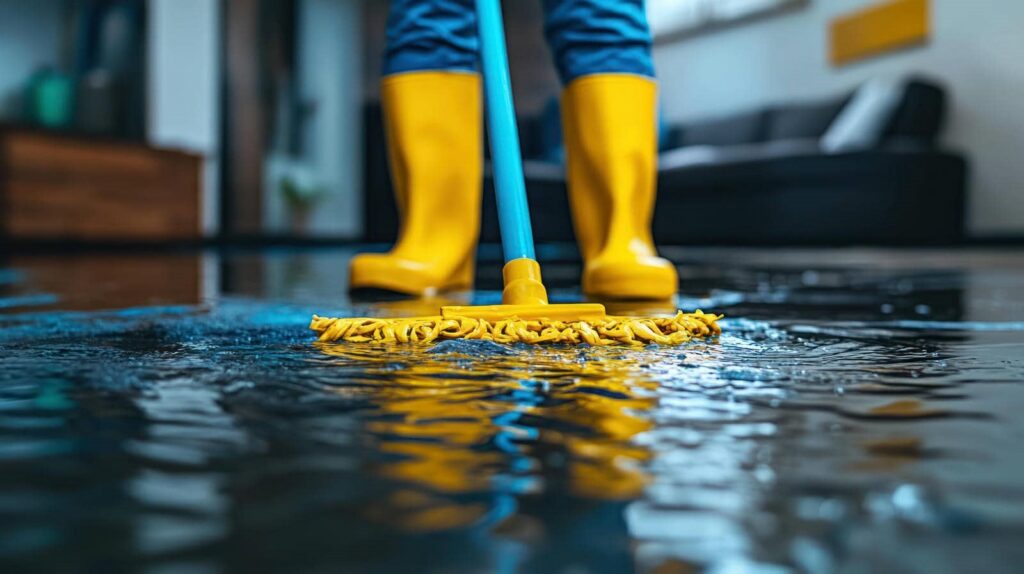
When emergency water damage hits, you need to act fast to limit structural loss and mold growth. Shut off the water source, cut power to affected areas, and remove wet, porous items right away. Then document the damage with photos and start drying the space with fans and dehumidifiers. These first steps can change the outcome, but there’s one more decision that often determines how much recovery will cost.
Key Takeaways
- Stop the water source immediately and shut off power to affected areas if safe.
- Document damage with photos, including rooms, water lines, and affected belongings.
- Remove rugs, cushions, and other porous items from wet areas right away.
- Open doors, cabinets, and windows, then use fans or a dehumidifier to start drying.
- Call a restoration company if water is contaminated, hidden, or causing structural or electrical risk.
What to Do Immediately After Water Damage
Act quickly after water damage to limit structural loss and reduce the risk of mold. Document the affected areas with photos, then remove rugs, cushions, papers, and other porous items from wet zones if you can do so safely.
Open interior doors and cabinets to improve airflow, and place fans or a dehumidifier nearby to help dry exposed surfaces. Check drywall, baseboards, flooring, and insulation for swelling, discoloration, or sagging.
You should separate salvageable items from contaminated materials and keep them grouped for inspection. For emergency water damage, contact a qualified restoration team early so they can assess moisture levels and plan cleanup.
You’re not handling this alone; a fast, organized response helps your home recover with less damage and more confidence for your household.
Stop the Water and Cut Power
If the water source is still active, shut it off at the main valve right away to stop further flooding.
Then, cut power to affected areas at the breaker panel if it’s safe to do so. Never step into standing water to reach electrical equipment; water can conduct current and create a serious shock risk.
If the panel is in a dry, accessible location, switch off the circuits feeding the damaged rooms. When you can’t safely reach the panel, call an electrician or utility provider.
Keep everyone out of the area until you’ve confirmed power is off and the space is safe. Acting quickly protects your home, reduces secondary damage, and helps your household stay in control together.
Document the Damage for Insurance
Once the water is contained, document everything for your insurance claim before cleanup changes the scene. Use your phone to take wide shots of each room, then close-ups of damaged floors, walls, furniture, and personal items.
Capture the source, water line, and any visible stains or debris. Record the date, time, location, and a brief description of what happened.
Make a simple inventory of affected items with brand names, model numbers, purchase dates, and estimated values if you know them. Save receipts, manuals, and warranty records in one folder.
Back up photos and videos to cloud storage so you can access them later. Keep your notes factual and organized; your adjuster needs clear evidence.
When you document carefully, you protect your claim and stay in control with your household.
Dry Out the Home Fast
Start drying the home as soon as standing water is removed, because moisture keeps spreading into drywall, framing, insulation, and flooring.
Open windows if weather is dry, and run fans to move air across wet surfaces. Set your HVAC to cool or dehumidify, and replace filters if they’re dirty.
Remove wet rugs, cushions, and lightweight furniture so air can reach hidden areas. Lift curtains and baseboards if you can do so safely, then wipe visible water from walls, trim, and cabinets.
Check closets, corners, and under sinks for trapped moisture. Keep kids and pets away from slick areas.
You’re part of the recovery team now, so work steadily and track what stays damp. Fast airflow and low humidity help limit mold, warping, and lingering odors.
When to Call a Water Damage Restoration Company
Call a water damage restoration company when the damage is larger than you can safely manage, the water has reached wall cavities or subfloors, or the source is contaminated, such as sewage or floodwater.
You should also call if the water has soaked insulation, warped framing, or spread beyond one room. Certified technicians use moisture meters, extraction pumps, dehumidifiers, and antimicrobial treatments to stop hidden damage and mold growth.
If you smell musty odors, see bubbling paint, or notice electrical risks, step back and let a trained crew take over.
When you bring in pros early, you protect your home, reduce repair costs, and stay connected to a team that knows how to restore your space safely and efficiently.
Frequently Asked Questions
How Do I Know if Water Is Contaminated?
You can tell water’s contaminated if it smells foul, looks cloudy, has sewage, rust, or debris, or came from a toilet, drain, flood, or appliance backup. Don’t touch it; test it and call pros.
Should I Move Furniture Before Drying Begins?
Yes—move light furniture, lift legs with blocks, and protect surfaces with foil; don’t drag saturated pieces. You’ll improve airflow, prevent stains, and help your crew work faster. Call pros for heavy or contaminated items.
Can I Save Wet Documents and Photos?
Yes, you can save wet documents and photos if you act quickly. You should separate pages, rinse off mud, and air-dry them on clean blotting paper. Freeze items you can’t dry immediately, then call a conservator.
How Long Until Mold Starts Growing?
Mold can start growing within 24 to 48 hours after wetting, so you need to dry materials immediately, reduce humidity, and remove standing water. If you can’t dry everything fast, call restoration pros.
What Belongings Should I Throw Away Immediately?
You should throw away soaked drywall, insulation, carpets, mattresses, upholstered furniture, food, and anything porous with sewage or mold. Don’t keep “just-in-case” items; hidden contamination spreads fast, and replacing them protects your home and family.
Review
When emergency water damage hits, move fast: stop the water, cut power to the wet area, and photograph every affected surface. Pull out soaked porous items, then open doors, run fans, and use dehumidifiers to push out hidden moisture. If water lingers in walls, floors, or ceilings, call a restoration company right away. Quick action can keep damage from spreading, reduce mold risk, and help your home recover with less structural loss.