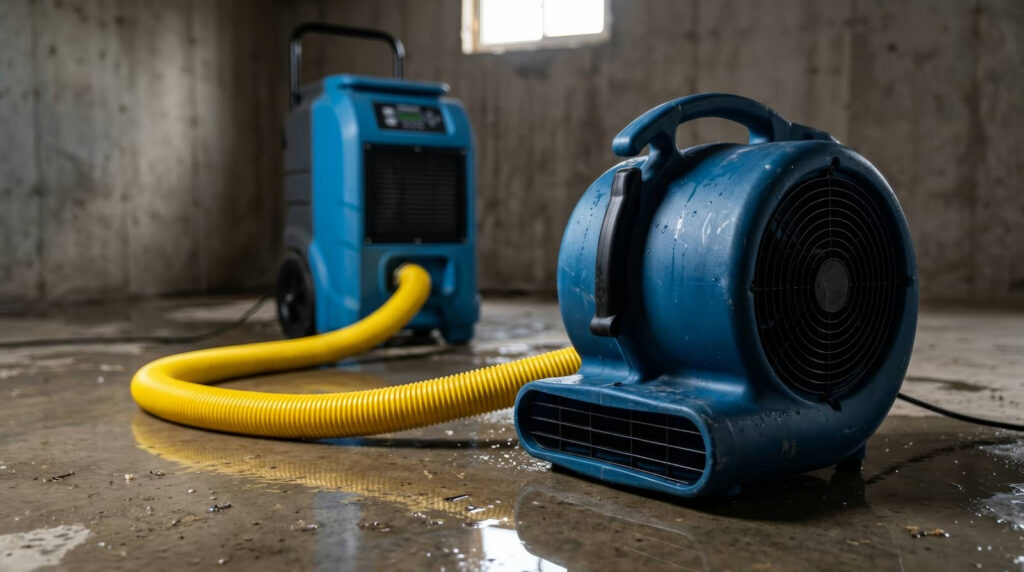
Most indoor flood losses get worse because moisture lingers after the visible water is gone. When you’re dealing with water extraction, the clock depends on how much water entered, what materials soaked it up, and how easy the space is to reach. You can clear standing water in hours, but hidden saturation may keep the process going much longer, and that’s where the real risk begins.
Key Takeaways
- Small leaks may be extracted in a few hours, while major indoor floods can take much longer.
- The amount of standing water directly affects extraction time, with deeper water taking longer to remove.
- Porous materials like carpet, drywall, and padding slow extraction because they trap hidden moisture.
- Tight layouts, blocked access, and multiple affected rooms can extend the time needed for safe extraction.
- Extraction is finished when no standing water remains and moisture readings stay low and consistent.
How Long Water Extraction Takes
How long water extraction takes depends on the amount of water, the materials affected, and how easy the damaged areas are to access.
In your home, a small leak may be cleared in a few hours, while standing water from a major flood can take longer.
You’ll usually see crews begin with inspection, safety checks, and moisture mapping, then use pumps and vacuums to remove water fast.
After that, they’ll confirm hidden pockets are dry so you’re not left with lingering damage.
When you know how long water extraction takes, you can plan with confidence and stay connected to the recovery process.
You’re not alone here; your restoration team will keep you informed, work efficiently, and help your space feel secure again.
What Affects Water Extraction Time
Your water extraction time depends first on how much water has entered the space, since larger volumes take longer to remove.
The materials involved also matter because porous surfaces like carpet, drywall, and insulation hold water more than hard, nonporous materials.
Access conditions can slow the process too, especially if the affected area is cramped, obstructed, or difficult to reach with equipment.
Water Volume
A large amount of standing water usually extends extraction time because crews have more liquid to remove and more areas to assess.
If you’re dealing with only a few inches, extraction may finish quickly with pumps and vacuums. If the water has spread across several rooms or settled in low spots, technicians need more time to map the extent, set equipment, and monitor progress.
Deep water can also slow safe movement, which affects setup and retrieval. You can help speed things along by clearing pathways and giving the crew full access to affected spaces.
Even when the volume looks overwhelming, a well-planned response keeps the process organized. You’re not managing this alone; the right team can handle the load efficiently and keep you informed throughout.
Material Porosity
Porous materials act like sponges, so they can slow water extraction more than hard, nonporous surfaces do. When you’re dealing with carpet, drywall, insulation, or upholstery, water moves deeper into the material and spreads through tiny air spaces.
That means your crew has to pull moisture from more than the surface, which adds time.
- Carpet padding traps water below
- Drywall soaks moisture through its core
- Wood swells and holds hidden dampness
- Upholstery can retain water in foam
You’re not behind if drying takes longer with these materials; that’s normal. Technicians use meters and controlled airflow to confirm when moisture levels drop to safe targets.
With the right process, your space can get back to feeling like home.
Access Conditions
Access can speed up or slow down water extraction because crews need room to reach the affected area and move equipment efficiently.
If you can clear hallways, open doors, and move furniture, you’ll help technicians set pumps, hoses, and vacuums faster. Tight stairwells, locked rooms, clutter, or blocked parking add time because workers must carry gear farther and work around obstacles.
If water sits in basements or behind damaged walls, you may also need extra setup for safe entry and drainage. Good access lets your team inspect, extract, and monitor moisture with less delay.
If conditions are limited, don’t worry; a skilled crew can still adapt, but the timeline will usually stretch.
How Water Volume Slows Extraction
When standing water is deeper, you’ll need more time to remove it because extraction equipment has to move a larger volume before surfaces can dry.
If water has soaked into multiple material layers, you’re also dealing with trapped moisture that slows the process and may require repeated removal steps.
You can still expect steady progress when crews match the method to the water depth and the materials involved.
Standing Water Depth
The deeper the standing water, the longer extraction usually takes, because pumps and vacuums must remove a larger volume before drying can begin.
You’ll usually see the fastest progress when water stays shallow and stays in open areas, but depth adds time because equipment has to cycle longer and crews may need to reposition tools.
You’re not alone in this; a clear plan helps you track each stage.
- Less than an inch: quick pickup
- A few inches: moderate pumping time
- Several inches: repeated passes
- Deep pooling: longer monitoring and extraction
When you know the depth, you can estimate how long the first phase will take and stay prepared for the next steps.
Saturated Material Layers
Even after you’ve removed visible standing water, saturated materials can keep the cleanup moving slowly because they hold a lot of hidden moisture.
You’re not just drying the surface; you’re pulling water out of carpet pad, underlayment, drywall, insulation, and subfloor layers. Each material absorbs at a different rate, so thicker assemblies take longer to release moisture.
If water wicked upward, you may need to lift baseboards, remove affected sections, and expose cavities so airflow can reach trapped layers.
Dehumidifiers and high-velocity air movers help, but they can’t outrun deep saturation. You’ll see faster progress when you open spaces, separate wet layers, and monitor readings with a moisture meter.
That’s normal, and you’re not behind—your crew is working through the hidden load.
How Materials Delay Water Extraction
Materials can slow water extraction because each surface absorbs, traps, or sheds water at a different rate. You’ll usually see fast removal from sealed finishes, but porous and layered materials hold moisture longer, so you need extra time for pulling it out and checking it.
Drywall wicks water upward
Carpet padding stores hidden moisture
Wood swells and releases slowly
Insulation keeps water inside cavities
That means your timeline shifts as technicians remove surface water, then work through absorbed moisture. You’re not dealing with failure; you’re dealing with material behavior.
If you stay patient and keep each wet layer addressed, you help the space recover more completely.
How Access and Layout Affect Drying
Access and layout can slow drying just as much as wet materials do, because technicians need to move equipment, reach trapped water, and open up closed spaces.
If your home has narrow halls, tight bathrooms, staircases, or crowded rooms, crews may need extra time to position pumps, air movers, and dehumidifiers.
Closed closets, cabinets, and wall cavities can hide moisture, so access points matter. You can help by clearing walkways, opening rooms, and moving fragile items before work starts.
When technicians can work efficiently, they can reduce standing water faster and target damp areas sooner.
That doesn’t mean the job is delayed beyond control; it means layout shapes the sequence. With a clear path, your team can focus on extraction, airflow, and moisture removal together.
Signs Water Extraction Is Still Working
How do you know the extraction is still on track? You’ll see steady, measurable progress in the affected area. Your crew should keep removing water, and the sound and flow through hoses should stay consistent.
Floors may still be damp, but standing water should shrink visibly. Moisture meters often show lower readings as extraction continues, which tells you the process is working.
- Water lines on surfaces keep dropping
- Equipment runs without error lights
- Wet carpets feel lighter and less saturated
- Air movement helps surfaces dry faster
You can stay confident when each pass removes less water than the last. That’s a normal sign your team is clearing hidden moisture efficiently and keeping the space moving toward recovery.
How to Tell Water Extraction Is Finished
You’ll know water extraction is finished when no standing water remains and the affected area shows stable, low moisture readings across floors, baseboards, and nearby materials.
You should also see that surfaces no longer feel slick, soft, or visibly damp, and your meter stays consistent across multiple checks. Use the same test points each time so you’re comparing real progress, not guesswork.
Pay attention to hidden spots near corners, trim, and under furniture edges, because those areas often hold moisture longer.
When readings stop dropping and the surface conditions stay steady, extraction has done its job. At that point, your space is ready for the next phase with your crew, and you can feel confident that the bulk water is gone.
What Happens After Standing Water Is Gone
Once the standing water is gone, the work shifts from removal to drying, inspection, and stabilization.
You’ll notice surfaces can still hold hidden moisture, so you and your team should check walls, trim, flooring, and insulation.
Drying focuses on bringing materials back to safe levels while preventing secondary damage.
Inspection helps you spot swelling, staining, or musty odors before they spread.
Stabilization means setting the space so it stays safe for cleanup and repairs.
- Check damp materials
- Monitor temperature and humidity
- Look for warped or softened areas
- Document conditions for repair planning
You’re not alone in this stage; it’s the point where careful assessment turns a flooded room into a recoverable space.
How to Speed Up Water Extraction Safely
To speed up water extraction safely, start by improving access and removing only what blocks the process, such as loose furniture, rugs, and portable items, while avoiding anything that could spread contamination or damage materials.
Next, shut off electricity to affected areas if it’s safe, and keep people and pets out of wet rooms.
Use high-capacity pumps, wet vacuums, and extraction tools suited to the flooring and water depth.
Ventilate the space with fans once standing water is controlled, but don’t run air movers into active pools.
Document damage for your team and insurer, and separate clean items from contaminated ones.
If you stay organized and work methodically, you’ll help the drying crew move faster and protect your home from secondary damage.
Frequently Asked Questions
Can Water Extraction Start Before the Electricity Is Shut Off?
No, you shouldn’t start water extraction until you’ve shut off electricity if water’s near outlets or appliances. You can then work safely, protect your home, and keep your cleanup team confident and included.
Is Water Extraction Different for Clean Water Versus Sewage Water?
Yes, you’ll handle clean water faster, and you’ll handle sewage water more cautiously. You’ll extract, sanitize, and disinfect with clean water; you’ll isolate, protect, and remove contaminated sewage, because health risks and disposal rules differ.
Do Insurance Claims Affect How Fast Water Extraction Begins?
Yes, your insurance claim can slow or speed things up, but you don’t need to wait. You can start extraction immediately, document damage, and let professionals coordinate with your insurer so you stay protected.
Can Furniture Be Saved During Water Extraction?
Yes, you can often save furniture during water extraction; about 60% of items may be salvageable if you act fast. You’ll improve odds by lifting pieces, drying them quickly, and checking for contamination.
Should Pets Be Removed Before Water Extraction Starts?
Yes, you should remove pets before water extraction starts; you’ll keep them safe from noise, chemicals, and slippery floors. Move them to a quiet, dry room or elsewhere, and let crews work efficiently.
Final Thoughts
In the end, water extraction after indoor flooding depends on how much water you’re dealing with, what soaked it up, and how easy it is to reach. For example, a small bathroom leak may be cleared in a few hours, while a flooded basement can take much longer. If you act quickly, use the right equipment, and check for hidden moisture, you’ll reduce damage and move into drying faster with less risk of mold.