
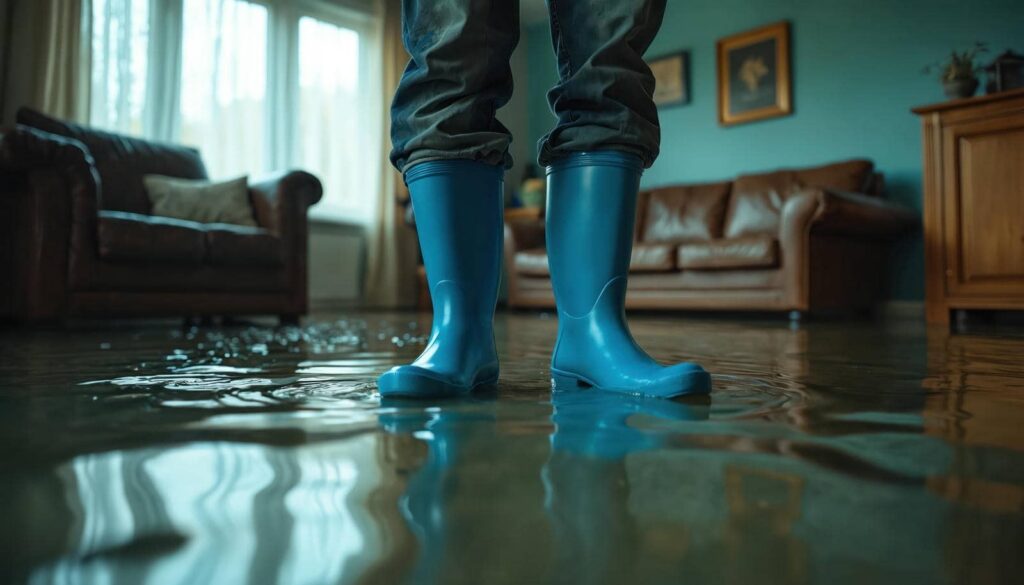
A little crawl space moisture can become a major problem fast. You may not notice standing water, damp insulation, or rising humidity until damage is already underway. Water removal services help you identify the source, extract hidden moisture, and reduce mold risk before it spreads. If your home feels stable on the surface but something below is off, the next step may matter more than you think.
Key Takeaways
- Crawl space water removal services address standing water, damp soil, and hidden moisture that can lead to mold and structural damage.
- Professionals inspect for leaks, poor drainage, vapor barrier failures, and other sources of ongoing crawl space moisture.
- The removal process includes water extraction, saturated material removal, and controlled drying with humidity monitoring.
- Signs like musty odors, dark stains, damp insulation, rust, and persistent dampness indicate a need for water removal.
- Prevent future moisture with proper grading, clean gutters, sealed foundation gaps, intact vapor barriers, and regular inspections.
What Causes Crawl Space Moisture?
Crawl space moisture often starts with poor drainage, groundwater seepage, plumbing leaks, or high indoor humidity that condenses on cool surfaces.
You may also deal with open vents, missing vapor barriers, and damaged grading that lets water pool near the foundation.
In your crawl space, these conditions raise humidity and keep wood, insulation, and soil damp longer than they should stay.
If you belong to a neighborhood with older homes or heavy rain, you’re not alone; these factors often work together.
Water removal services for crawl spaces address the source and the standing water, helping you restore a drier, healthier area.
When you act early, you protect structural materials, support air quality, and keep your home’s hidden spaces in better condition.
Signs You Need Water Removal Services
If you notice musty odors in your crawl space, you may already have excess moisture affecting the area.
Visible moisture spots on wood, insulation, or foundation surfaces also signal that water removal services may be needed.
Addressing these warning signs early can help you limit hidden damage and reduce mold risk.
Musty Odors
A musty odor in your crawl space often signals trapped moisture that’s already affecting hidden materials. You shouldn’t ignore it, because damp air can support microbial growth and spread odors into your home’s living areas.
When you notice that stale, earthy smell, your crawl space may need professional water removal services to restore healthier conditions and protect your household’s comfort.
- Detects lingering humidity
- Suggests poor air exchange
- Indicates absorbed moisture in insulation
- Points to possible microbial activity
- Supports timely remediation
You’re not alone in dealing with this issue. A qualified team can assess the source, remove excess water, and help you regain a cleaner, more stable environment.
Acting quickly helps you stay ahead of damage and keeps your home feeling safe, dry, and well cared for.
Visible Moisture Spots
Visible moisture spots on crawl space walls, joists, or insulation often mean water has already collected where it shouldn’t, and those patches can signal ongoing seepage or condensation that needs attention.
You may notice dark stains, damp framing, or insulation that looks heavier than normal. These signs tell you moisture is active, not just historic. If you leave it alone, you invite wood decay, mold growth, and reduced indoor air quality.
Water removal services can identify the source, extract standing water, and dry hidden materials before damage spreads. You’re not alone when you spot these warning signs; many homeowners face the same issue.
Acting quickly helps protect your home’s structure and keeps your crawl space healthier, safer, and easier to maintain over time.
Why Crawl Spaces Need Professional Water Removal
You need professional water removal in a crawl space because moisture often hides behind insulation, framing, and soil, where it can keep damaging materials after the surface looks dry.
Skilled technicians use controlled drying methods to remove trapped moisture and reduce the risk of mold growth and structural decay. That approach gives you a safer, more reliable result than basic cleanup alone.
Hidden Moisture Risks
Even when a crawl space looks dry, hidden moisture can linger in wood framing, insulation, and soil, creating conditions that support mold growth and long-term structural damage.
You may not notice the risk right away, but moisture can quietly spread through porous materials and raise humidity around your home.
That’s why you should watch for these warning signs:
- musty odors near vents
- damp or sagging insulation
- darkened wood surfaces
- condensation on pipes
- softened soil or standing water
When you understand these signals, you can act before small issues become costly repairs.
Professional water removal helps you protect your crawl space, your indoor air, and the comfort you share with everyone in your home.
Professional Drying Benefits
Professional water removal does more than clear standing water; it also speeds drying in hidden crawl space materials, limits humidity, and helps stop mold before it starts.
You get targeted extraction, air movement, and dehumidification that reach joists, insulation, and subflooring where trapped moisture lingers. That matters because your crawl space isn’t isolated; it affects the comfort, air quality, and health of your whole home.
When technicians dry the space correctly, they reduce wood swelling, corrosion, and microbial growth, while helping you avoid repeat problems. You’re also not left guessing, since moisture readings show when the area’s truly dry.
With professional support, you join other homeowners who protect their homes early, confidently, and with fewer costly surprises later.
How Water Removal Services Work
When water enters a crawl space, removal services typically start with inspection, moisture assessment, and source identification to determine the extent of the problem.
You’ll see technicians map wet areas, protect access points, and plan a targeted response that fits your crawl space layout. Their process usually includes:
- extracting standing water
- removing saturated materials
- drying structural components
- monitoring humidity and airflow
- documenting progress
You stay informed as the team uses specialized pumps, air movers, and dehumidifiers to restore a controlled environment.
This method helps you feel confident that each step supports your home’s structure and indoor air quality.
Hidden Moisture Problems That Return
Hidden moisture can return in a crawl space even after visible water is removed, especially if the original source, drainage issue, or ventilation problem remains unresolved.
You may see dry surfaces while dampness lingers in joists, insulation, or soil. That residual moisture often rises again after rain, humidity swings, or temperature changes.
To keep the space stable, you need to correct grading, seal leaks, improve drainage, and confirm airflow supports drying.
You’ll also want follow-up checks with a moisture meter, because hidden pockets can stay active long after cleanup.
When you address the root cause, you protect the structure and feel confident your crawl space is truly under control, not just temporarily dry.
Mold Risks in Crawl Spaces
Even after standing water is gone, mold can still develop in a crawl space if moisture remains in wood, insulation, or the soil surface. You may notice musty odors, dark spots, or softened framing before you see visible growth.
Mold thrives when the area stays damp and unventilated, so your crawl space can become a hidden source of indoor air quality issues. Watch for:
- staining on joists
- fuzzy growth on insulation
- persistent humidity
- rust on metal fasteners
- allergy-like symptoms indoors
When you address these signs quickly, you protect structural materials and your home’s comfort.
A qualified team can assess the space, confirm the extent of contamination, and guide you toward safe cleanup. You’re not alone in this; many homeowners face the same problem.
How to Prevent Future Water Intrusion
To reduce the chance of future water intrusion, you’ll need to address the source of moisture, not just the symptoms.
Start by grading soil so it slopes away from your foundation, and keep gutters and downspouts clear so runoff moves well past the crawl space.
Seal visible foundation gaps, maintain vapor barriers, and insulate exposed plumbing to limit condensation.
You should also check for plumbing leaks, overflowing HVAC drains, and broken vent covers that let humid air enter.
Regular inspections help you spot changes early, before they spread.
When you protect the crawl space this way, you’re joining a group of homeowners who value a dry, stable structure and fewer surprises.
Consistent maintenance keeps hidden moisture from building up again.
When to Call a Crawl Space Specialist
If moisture keeps returning after basic maintenance, it’s time to bring in a crawl space specialist. You shouldn’t have to keep guessing where the water’s coming from or why odors, staining, or sagging insulation keep showing up.
A trained pro can inspect drainage, vapor barriers, vents, and structural components, then recommend targeted water removal services for crawl spaces.
- Persistent dampness after drying
- Visible mold or musty odors
- Standing water or wet soil
- Wood rot, rust, or insulation damage
- Uneven floors or pest activity
When you call early, you protect your home and join the group of owners who tackle hidden moisture before it spreads.
That support brings clarity, safer conditions, and long-term confidence.
Frequently Asked Questions
How Long Does Crawl Space Water Removal Usually Take?
Crawl space water removal usually takes a few hours to a full day, depending on flooding severity, access, and drying needs. You’ll get faster results when you act quickly and use trained technicians.
Can I Stay Home During Crawl Space Water Removal?
Yes, you can usually stay home while the work runs like a well-tuned engine. You’ll hear equipment, but technicians keep you informed, seal off the area, and help you feel safe and included.
Will Water Removal Services Damage My Insulation?
No, usually you won’t see insulation damage if you hire trained pros. They’ll protect or remove wet batts, dry the area carefully, and help you keep your crawl space clean, dry, and secure.
How Often Should Crawl Spaces Be Inspected After Drying?
After drying, you should inspect your crawl space monthly for three months, then seasonally. Nearly 60% of homes with past moisture issues see recurrence, so you’ll stay ahead with consistent, professional checks and quick corrections.
Do Crawl Space Water Removal Services Include Debris Cleanup?
Yes, many services include debris cleanup, so you don’t have to manage contaminated materials alone. You’ll get removal of standing water, mud, and damaged debris, helping your crawl space stay safe, dry, and ready for repairs.
Final Thoughts
When you spot crawl space moisture, don’t wait—hidden water can quietly damage your home faster than you’d think. Professional water removal services help you dry the space, reduce humidity, and stop mold before it spreads. By sealing gaps and improving drainage, you give your home stronger long-term protection. If damp smells, standing water, or recurring leaks keep coming back, call a crawl space specialist and restore your home’s safety and stability.