
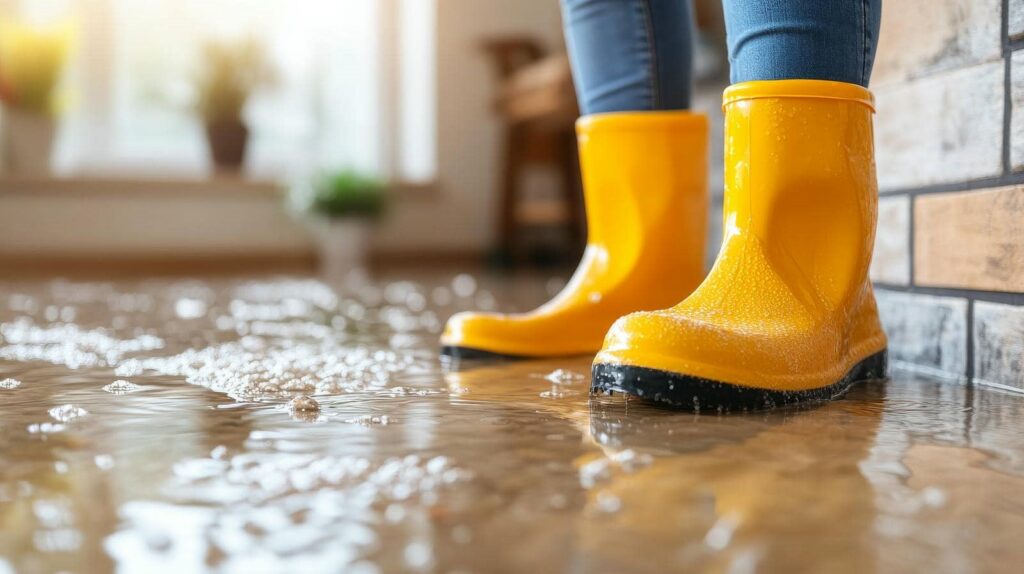
When water is rushing in, how quickly can help really arrive? You need a crew that can be on-site within 60 to 90 minutes, with certified technicians, proper extraction gear, and clear communication from the start. Look for IICRC credentials, detailed timelines, and strong reviews, because the right team doesn’t just remove water—they protect your home, your claim, and what happens next.
Key Takeaways
- Choose a local crew offering 24/7 rapid response and confirmed dispatch within 60 to 90 minutes.
- Look for live answering, clear arrival windows, and immediate on-site water extraction.
- Verify IICRC certification, proper licensing, and current liability and workers’ compensation insurance.
- Ask about moisture mapping, dehumidification, thermal imaging, and daily drying progress monitoring.
- Avoid companies with vague pricing, poor communication, or no plan for hidden moisture and mold prevention.
How Fast Should Emergency Water Cleanup Arrive?
When water damage strikes, speed matters more than almost anything else. You should expect a rapid-response crew to arrive within 60 to 90 minutes, often sooner if you’re close to their service area. That timeline helps you limit moisture migration, protect structural materials, and start controlled extraction before conditions worsen.
When you search emergency water damage cleanup near me, choose a team that answers live, confirms dispatch, and gives you a clear arrival window. You deserve a company that communicates like a partner, not a guesser.
A reliable crew brings truck-mounted equipment, moisture meters, and containment materials right away. Fast arrival isn’t just convenient; it’s a critical part of restoring your home efficiently and helping you feel supported from the first call.
Signs You Need Water Damage Cleanup Now
You should call for emergency water damage cleanup now if you see visible water stains, warped flooring, or other signs that moisture has spread beyond the surface.
You may also notice musty odors, which often point to hidden dampness and potential mold growth.
A rapid-response team can assess the damage, stop further deterioration, and start the drying process right away.
Visible Water Stains
Visible water stains often signal hidden moisture that needs immediate attention, especially after leaks, floods, or plumbing failures. You might notice yellow, brown, or dark rings on ceilings, walls, or baseboards.
These marks usually mean water has already spread behind surfaces, so don’t ignore them. A quick response helps protect your home and gives you confidence that you’re handling the problem the right way.
When you contact a local cleanup team, ask whether they use moisture meters, infrared checks, and containment methods to confirm the source. You deserve clear answers and a plan that fits your situation.
Acting now can limit further deterioration, reduce odor risk, and support a safer, healthier space for everyone in your home.
Warped Flooring
Warped flooring often means water has moved beyond the surface and started affecting the structure underneath.
You may notice boards cupping, buckling, or lifting at the seams, and those changes usually signal trapped moisture. If you walk across the area and feel soft spots or movement, act quickly. The longer you wait, the more likely the subfloor, adhesives, and finishes will deteriorate.
You don’t have to handle this alone; a qualified cleanup team can inspect the damage, measure moisture levels, and stop further spread.
When you search for emergency water damage cleanup near me, look for rapid response, clear communication, and restoration expertise. Quick action helps protect your home, preserve your flooring, and give you confidence that your space is on the path back to normal.
Musty Odors
A persistent musty odor often means moisture has settled into hidden materials and started supporting mold growth, even when the surface looks dry. You might notice it after a leak, flood, or slow plumbing failure, and it usually won’t fade with normal cleaning.
That smell can come from drywall, insulation, carpets, or subflooring that stayed damp too long. When you catch it early, you can protect your home and your household from worsening damage and airborne spores.
A qualified cleanup team will trace the odor source, check moisture levels, and dry affected areas with professional equipment. If you’re smelling that stale, earthy scent, trust your instincts and act fast. You’re not overreacting; you’re responding to a real warning sign.
What a Good Cleanup Crew Handles First
When water damage hits, a good cleanup crew first stops the source, assesses safety risks, and starts moisture extraction right away.
You’ll see them shut off affected utilities, check for electrical hazards, unstable materials, and contaminated water, then map the wet zones so nothing gets missed.
They document conditions, prioritize the most vulnerable areas, and use targeted drying to limit spread into walls, floors, and substructures.
That first response matters because every minute counts.
When your team moves fast and communicates clearly, you feel less overwhelmed and more confident about recovery.
A skilled crew keeps you informed, protects your property, and works with precision so your space can return to normal sooner, with fewer hidden problems later.
What Local Emergency Cleanup Services Include
When you need local emergency cleanup services, you should expect 24/7 rapid response so crews can reach you quickly and begin stabilizing the loss.
They’ll assess the affected area, remove standing water with extraction equipment, and start controlled drying right away to limit further damage.
This fast, technical process helps protect your property and gives you a clearer path to restoration.
24/7 Rapid Response
Seven rapid-response services should reach you quickly, assess the water source, and start immediate mitigation before damage spreads.
You want a team that answers fast, arrives with clear priorities, and coordinates safely with you from the first call. They should inspect affected areas, identify visible hazards, document conditions, and explain the next steps in plain language.
Prompt response helps protect your property, reduce disruption, and keep you informed throughout the process. A dependable local crew also communicates arrival windows, sets expectations, and works with urgency without creating confusion.
When you choose a service that moves quickly and speaks clearly, you’re not facing the situation alone. You’re backed by professionals who understand your stress and respond with focused care, technical skill, and steady support.
Extraction And Drying
Once the crew arrives, extraction and drying become the immediate focus. You’ll see high-capacity pumps remove standing water, then weighted vacuums pull moisture from carpets, padding, and subfloors.
Technicians place air movers and dehumidifiers to speed evaporation and reduce secondary damage, while sensors track hidden moisture in walls and cabinets. This isn’t just cleanup; it’s the step that protects your home and helps you feel grounded again.
- You regain control faster.
- You reduce mold risk.
- You protect cherished rooms and belongings.
- You join a team that knows urgency matters.
Your local response team should explain each stage clearly, document readings, and adjust equipment as conditions change.
When they work efficiently, you can trust the space is on its way back to safe, stable comfort.
Certifications That Signal Real Expertise
Certifications can be a strong signal that a water damage cleanup team has the training to handle urgent losses correctly. You should look for credentials such as IICRC certification, which shows the crew follows industry standards for water removal, structural drying, and contamination control.
Certified technicians usually understand moisture mapping, material classification, and safe sanitation practices, so they can protect your home and your household with confidence. You’ll also feel more at ease when the team can explain its process in clear, practical terms.
Ask whether the company keeps its training current and whether supervisors hold advanced credentials. When you choose a certified team, you’re not just hiring labor; you’re joining a group that takes your recovery seriously and works to restore normalcy fast.
Equipment Every Cleanup Crew Should Bring
Certified training matters, and the right equipment shows whether a crew can put that training to work fast. When you’re facing water intrusion, you need tools that stabilize the space and protect your home.
A capable team should arrive with:
- High-capacity extraction units that pull standing water quickly.
- Air movers that speed evaporation and reduce lingering dampness.
- Dehumidifiers that control moisture before mold can take hold.
- Moisture meters and thermal imaging tools that verify hidden pockets.
You deserve a crew that works like it belongs there, moving with purpose and keeping you informed.
Strong equipment doesn’t just clean up damage; it helps restore confidence. When the right gear shows up, relief follows, and recovery feels possible again.
Questions to Ask Before You Hire
Before you hire a cleanup team, ask for a clear response-time guarantee so you know when help will arrive.
You should also confirm their certifications, insurance coverage, and experience with emergency water losses.
Finally, ask how they’ll handle drying and cleanup so you understand the full process from start to finish.
Response Time Guarantees
When water damage hits, you need a team that can tell you exactly how fast they’ll respond and whether they can back it up. Ask for a clear arrival window, not vague promises, so you know when help’s coming. A strong guarantee shows they understand urgency and respect your time.
You feel calmer when they name a dispatch time.
You protect more materials when crews move fast.
You trust a team that gives written commitments.
You stay connected to people who answer directly.
Choose a provider that explains delays, monitors traffic, and confirms updates by phone or text. That transparency helps you feel supported, not stranded.
When the schedule is specific, you can act quickly, limit spread, and bring your space back under control with confidence.
Certifications And Insurance
Even in an emergency, you should ask for proof of both certification and insurance before anyone starts work.
You want a team that carries recognized training, such as IICRC credentials, because that shows they follow industry standards and understand loss control.
Ask whether their technicians are insured for general liability and workers’ compensation, so you’re protected if someone’s injured or property gets damaged during the job.
A reputable company will share certificates and policy details without hesitation.
You should also confirm that their coverage is current and matches the type of work you need.
When you verify these basics, you join a group of informed homeowners who choose confidently, avoid unnecessary risk, and keep the project on solid ground from the start.
Drying And Cleanup Process
Ask how the team handles drying and cleanup from the moment they arrive, because their process should be fast, systematic, and traceable.
You should hear about moisture mapping, extraction, air movement, dehumidification, and daily monitoring. A solid crew documents readings, protects salvageable materials, and explains each step so you’re never left guessing.
That transparency helps you feel like you’re in capable hands, not facing the loss alone.
- You know water isn’t lingering unseen.
- You can trust your home is drying correctly.
- You’re less likely to face mold or odor.
- You feel supported by a team that listens.
Ask whether they’ll give you a clear timeline, equipment plan, and final verification report.
Red Flags in Water Damage Cleanup Companies
What should you watch for when choosing a water damage cleanup company? Start with licensing, training, and equipment. If a crew can’t explain its drying plan, moisture readings, or containment steps, that’s a warning sign.
You should also be cautious of vague pricing, pressure tactics, and promises that sound too fast to be true. Reliable teams communicate clearly, arrive with calibrated tools, and document conditions before work begins.
If technicians skip inspection, ignore hidden moisture, or leave you guessing about next steps, you may face secondary damage. A strong company respects your urgency, answers questions directly, and keeps you informed throughout the process.
You deserve a response team that feels organized, competent, and steady when your home needs help most.
What Insurance Help They Should Offer
A reliable water damage cleanup company should help you navigate the insurance process from the start, not leave you to sort out claim details alone. You deserve support that feels clear, calm, and coordinated when your home’s been disrupted.
They should document damage with photos, moisture readings, and itemized reports your adjuster can review quickly.
- They can explain coverage terms in plain language.
- They can help you file promptly and accurately.
- They can provide detailed estimates that align with repairs.
- They can answer claim questions without making you feel alone.
When your team communicates well, you gain confidence and a stronger path toward recovery. That kind of help protects your time, reduces stress, and keeps your claim moving.
How to Pick the Right Cleanup Crew
When water is still spreading through your home, the right cleanup crew should respond fast, communicate clearly, and know how to stabilize the damage without adding confusion.
You should look for technicians who document losses, explain drying plans, and use moisture meters, air movers, and dehumidifiers correctly. Ask whether they’re IICRC-trained, licensed where required, and available 24/7.
You want a team that protects your belongings, isolates affected areas, and updates you before each step, so you never feel left out.
Check reviews for punctuality, professionalism, and follow-through, not just claims. A reliable crew will also coordinate with your insurer and give you a written scope.
When you choose carefully, you join a team that treats your home with skill, respect, and urgency.
Frequently Asked Questions
Do I Need to Leave My Home During Water Damage Cleanup?
Not always. You can stay if crews isolate the area, power is safe, and there’s no contaminated water or structural risk. You should leave if sewage, mold, electrical hazards, or heavy demolition create unsafe conditions.
Can Emergency Cleanup Save My Carpet and Flooring?
Like a lifeline thrown in rough water, yes—quick cleanup can save your carpet and flooring if you act fast. You’ll reduce mold, warping, and staining by extracting water, drying thoroughly, and monitoring moisture levels.
Will Cleanup Crews Handle Hidden Mold Behind Walls?
Yes, you’ll want crews who inspect cavities, use moisture meters, and remove contaminated materials. You can expect them to contain affected areas, dry thoroughly, and recommend mold remediation when hidden growth could threaten your home.
How Long Does the Drying Process Usually Take?
You’ll usually see drying take 3 to 5 days, but you can expect longer if materials were saturated or hidden moisture remains. You’ll need monitoring, dehumidifiers, and airflow to finish the job safely.
Should I Turn off Electricity Before the Crew Arrives?
Yes—turn it off at the main breaker if it’s safe, because wet wiring can shock you. Why risk it? You’ll protect your home, and your crew can work faster once they arrive.
Wrap-Up
When you need emergency water damage cleanup near you, act fast and choose a crew that responds in 60 to 90 minutes, uses advanced moisture tools, and explains each step clearly. Check for IICRC certification, proper insurance, and strong reviews before you hire. Ask direct questions, watch for vague pricing or poor communication, and expect help with insurance claims. The right team can stop damage before it spreads like wildfire.