
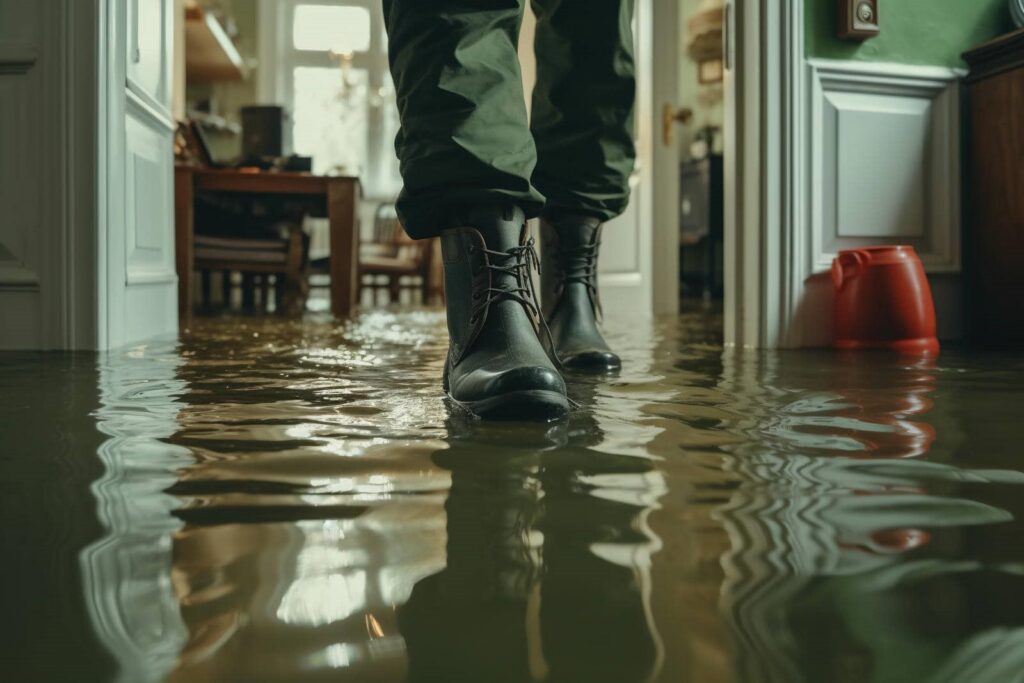
When water hits your property, every minute counts. You need to stop the source fast, move valuables out of harm’s way, and start drying the area before mold can take hold. But surface moisture is only part of the problem, and hidden damage can spread behind walls and under floors. The right next steps can limit repairs and protect your space.
Key Takeaways
- Shut off the water source immediately and call a plumber or utility if the leak continues.
- Move furniture, electronics, and valuables out of wet areas to prevent further damage.
- Start drying fast with fans, dehumidifiers, and open windows to reduce mold risk.
- Check for hidden moisture in walls, cabinets, baseboards, and ceilings, then document damage.
- Contact water damage restoration professionals for large, contaminated, or ongoing leaks.
Stop the Water at the Source
Before you do anything else, stop the water at its source to prevent further damage. Turn off the main shutoff valve, close fixture valves, or isolate the appliance feeding the leak.
If water keeps flowing, call your utility company or an emergency plumber right away. You’re not alone in this; fast action protects your home and keeps the cleanup manageable.
Once the flow stops, check for hidden moisture near walls, floors, and cabinets, but don’t cut into materials unless you know the system is safe. Document the source with photos for your records.
Then contact water damage restoration professionals if the leak is large, contaminated, or hard to control. Quick source control limits spread, reduces structural stress, and gives your restoration team a cleaner starting point.
Protect Furniture and Valuables
Once the source is under control, move furniture, rugs, electronics, and other valuables out of the wet area as quickly as you can.
Lift items instead of dragging them, since dragging can spread moisture and damage flooring. Place wood furniture on blocks or foil pads to keep finishes from staining. Wrap electronics in dry, clean cloth and keep them upright if you must move them.
Collect documents, photos, medications, and sentimental items first, then secure them in a dry room. If an item is too heavy, ask for help so you don’t injure yourself or worsen damage.
Work with your household as a team, label items by room, and keep pathways clear. Acting fast protects what matters most and helps your restoration process stay organized.
Dry the Area Before Mold Starts
After you’ve removed standing water, dry the space as quickly as possible to reduce the risk of mold growth.
Turn on fans, open windows if the weather is dry, and run a dehumidifier to pull moisture from the air and materials. Keep air moving across floors, walls, and soft surfaces, and replace wet filters or towels as needed.
If you have a HVAC system that’s safe to use, circulate conditioned air to speed evaporation. Check humidity with a meter and aim for below 60%.
Remove damp rugs, cushions, and bedding so they can dry separately. Don’t trap moisture under plastic or closed doors.
Stay consistent for the next 24 to 48 hours, and you’ll help protect your home, your comfort, and your crew.
Look for Hidden Water Damage
Even when surfaces look dry, water can hide inside walls, under floors, and in insulation. You should inspect baseboards, trim, ceiling stains, warped flooring, and soft drywall for clues.
Press gently on suspect areas; if they feel spongy or cool, moisture may still be trapped. Watch for musty odors, peeling paint, rust on fasteners, and discoloration around vents, outlets, and window frames.
Use a flashlight to check cabinets, closets, and crawl spaces where leaks often linger. If you spot swelling, bubbling, or repeated dampness, document it and keep the area ventilated.
Hidden water can spread damage quietly, so catching it early helps your home recover faster and keeps your household on the right track together.
What You Can Safely Clean Yourself
If the damage is minor and the area is fully dry, you can usually clean hard, nonporous surfaces yourself. You’re not alone here; many homeowners handle this stage safely with a calm, methodical approach.
Wear gloves, open windows, and use mild detergent and clean water first.
- Wipe counters, tile, and sealed floors
- Wash dishes, metal, and plastic items
- Disinfect bathroom surfaces with approved cleaners
- Dry baseboards, trim, and furniture exteriors
Use separate cloths for dirty and clean areas to avoid spreading residue. Rinse surfaces well, then dry them completely with towels or airflow.
Check for stains, odors, or sticky spots as you go. If a surface feels soft, warped, or damp inside, leave it alone and keep tracking conditions.
When to Call Water Damage Restoration Pros
Call water damage restoration pros when the damage goes beyond a small, fully dry area or you suspect hidden moisture. You need expert help if water has reached walls, subfloors, insulation, ceilings, or electrical components.
Call right away after sewage, standing water, or flooding, because these conditions can create health risks and structural damage. Pros use moisture meters, thermal imaging, and industrial drying equipment to find and remove trapped water fast. That level of precision helps you protect your home and stay confident through the cleanup.
If materials feel soft, smell musty, or keep damp after 24 hours, don’t wait. A trained team can assess the scope, document losses, and restore your space with less stress for you and your household.
Prevent Future Leaks and Floods
You can prevent future leaks by inspecting your plumbing regularly for corrosion, loose fittings, and slow drips.
Seal roof penetrations and window frames to block water intrusion during heavy rain.
If your area floods, install a sump pump with a backup power source so it’ll keep working when you need it most.
Inspect Plumbing Regularly
Inspect plumbing regularly to catch small issues before they become leaks or floods. You can protect your home by checking exposed pipes, valves, and joints for corrosion, moisture, and loose fittings.
Listen for dripping, watch water pressure, and note any musty odor near sinks or appliances. When you spot wear early, you keep repairs small and your household confident.
- Look under sinks for pooled water.
- Check around toilets for soft flooring.
- Inspect supply lines for cracks.
- Test shutoff valves twice a year.
If you notice staining, swelling, or repeated dampness, act quickly and call a licensed plumber.
Regular inspections help you stay ahead of damage, avoid surprise cleanup, and keep your space safe for everyone who lives there.
Seal Roof And Windows
After checking plumbing, turn your attention to the roof and windows, where small gaps can let water in fast. You should inspect shingles, flashing, caulk lines, and frame seals for cracks, lifting, or daylight.
Reseal joints with exterior-grade caulk, and replace brittle weatherstripping before storms expose weaknesses. If you spot warped trim, loose panes, or damaged sealant, fix them promptly so moisture can’t spread into walls or floors.
Keep gutters clear, too, because overflow often pushes water back under roofing edges. A tight envelope helps you stay ahead of leaks and protects your home from repeat damage.
When your exterior holds strong, you and your household can feel more secure through heavy rain.
Install Sump Pump Backup
When groundwater rises or a storm overwhelms drainage, a sump pump backup can keep your basement from flooding when the main pump fails or loses power.
You protect your home by adding a battery, water-powered, or generator-backed unit that engages automatically. Test alarms, check the float switch, and clear the pit so the system stays ready.
In your neighborhood, that reliability matters because one wet night can affect everyone nearby.
- Install a backup pump beside the primary unit
- Verify discharge lines stay unobstructed
- Replace batteries on schedule
- Test after heavy rain or power loss
With routine maintenance, you reduce seepage, protect finishes, and keep your space dry.
Frequently Asked Questions
How Long Does Water Damage Restoration Usually Take?
Usually, you’ll see water damage restoration take 3 to 7 days, but severe cases can take weeks. You’ll get faster results when you act quickly, because drying, repairs, and inspections move more smoothly.
Will My Insurance Cover Water Damage Restoration Costs?
Maybe yes, maybe no: your policy may cover sudden leaks, burst pipes, or storm damage, but not neglect. You should review exclusions, document damage, and call your insurer and restoration pro quickly.
Can Contaminated Water Be Cleaned Without Professional Help?
No, you shouldn’t clean contaminated water yourself. You can expose yourself to bacteria, chemicals, and hidden hazards. You should isolate the area, wear protective gear, and call trained professionals for safe, thorough remediation.
How Much Does Emergency Water Extraction Cost?
Emergency water extraction usually costs $500–$3,000, and you’ll often pay more for severe damage or contaminated water. You’re not alone; you can compare quotes, ask about insurance, and get prompt help fast.
Do I Need to Replace Carpet After Flooding?
Not always—you can often salvage carpet if you act fast. You’ll need professional drying, cleaning, and inspection. If the padding soaked, mold spread, or odors persist, you’ll probably replace it to protect your home and people.
Conclusion
Act fast to protect your property from costly water damage. Remember, mold can begin growing in as little as 24 to 48 hours, so every minute counts. Shut off the source, move valuables, dry the area, and inspect for hidden damage before it spreads. If the damage is extensive or contaminated, call a restoration pro right away. With quick action and routine maintenance, you can reduce losses and keep your home safer.