
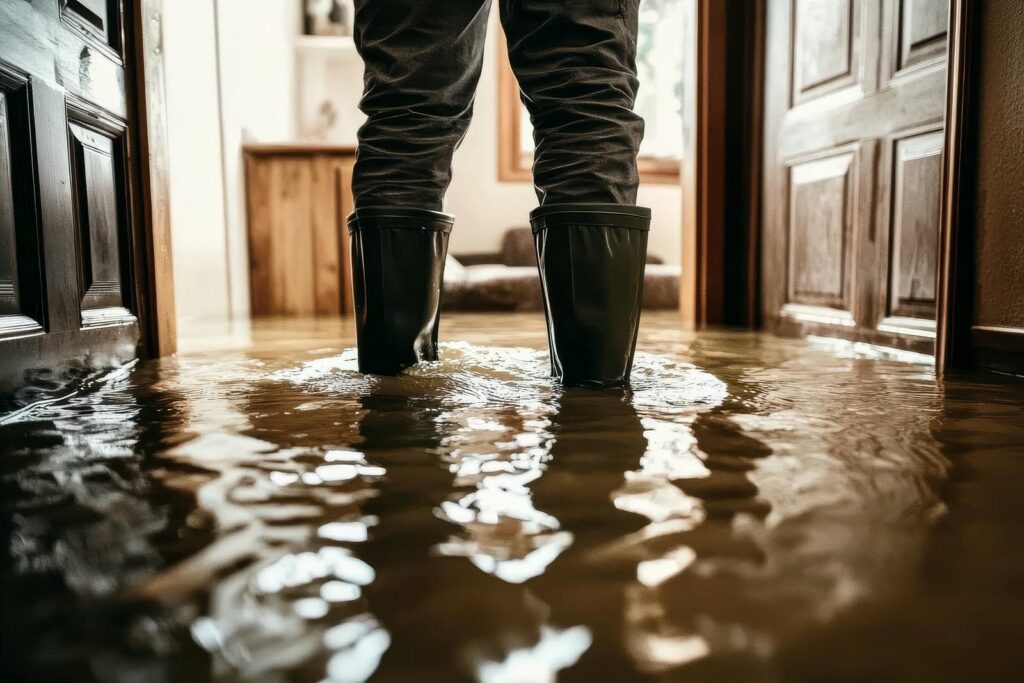
Water can hit hardwood floors like a slow leak in a ship’s hull, and you need to act before the damage spreads. You can sometimes save the floor if you remove standing water, control humidity, and dry the boards correctly. But not every issue is superficial. Warping, cupping, and dark staining tell you when repair still works and when replacement becomes likely, and the next water damage restoration steps depend on how far the moisture has traveled.
Key Takeaways
- Act quickly: remove standing water, stop the source, and stabilize humidity to limit hardwood swelling and warping.
- Use fans and dehumidifiers for gentle drying; avoid high heat, which can cause rapid shrinkage and cracking.
- Watch for damage signs like cupping, warping, stains, gaps, and misalignment at trim lines or doorways.
- Check moisture in the wood and subfloor before repairing; refasten loose boards and refinish only after the floor stabilizes.
- Prevent future damage by fixing leaks, controlling indoor moisture, using mats, and placing leak detectors near risk areas.
Can Water-Damaged Hardwood Floors Be Saved?
Yes—water-damaged hardwood floors can often be saved if you act quickly.
You should start water damage restoration for hardwood floors by removing standing water, stabilizing indoor humidity, and circulating air across the boards. If the planks haven’t separated from the subfloor, warped severely, or developed deep structural loss, you can usually dry and rehabilitate them.
Use dehumidifiers, gentle heat, and moisture checks to track progress. If you catch the issue early, your floor can rejoin your home with minimal replacement and better long-term performance.
When you act decisively, you protect your space, reduce costs, and keep your flooring in the community of rooms that make your home feel complete.
Consult a qualified specialist if moisture lingers or movement continues after drying.
Signs Your Hardwood Floors Have Water Damage
You can spot water damage in hardwood floors by checking for visible warping, cupping, and swelling in the boards.
You may also notice stains, discoloration, or gaps opening between planks as moisture changes the wood’s dimensions.
If you see these signs, you should assess the area quickly so you can limit further damage and determine whether drying or repair can work.
Visible Warping And Cupping
Warping and cupping are early warning signs that hardwood floors have absorbed too much moisture. You’ll notice boards that lift at the edges, arch in the middle, or no longer sit flush with adjacent planks.
That uneven profile changes how light reflects across the floor, so you can spot it by kneeling and sighting along the surface. Press gently; a damaged board may feel unstable or hollow.
Don’t ignore the pattern if it spreads across multiple boards, because moisture is likely active beneath the finish. You can help your floor recover by stopping the water source, improving airflow, and keeping foot traffic light while the wood dries.
If the shape doesn’t flatten as conditions stabilize, get a pro involved before the issue becomes permanent.
Stains, Swelling, And Gaps
Stains, swelling, and visible gaps often signal that moisture has moved beyond the surface finish and into the wood fibers or subfloor.
You may notice dark patches near seams, white mineral marks, or boards that feel raised at the edges. Swelling usually shows up when planks absorb water and expand across the grain. Gaps can appear later as boards dry unevenly and pull apart.
Check trim lines, doorways, and room centers for changes in alignment. Don’t ignore these signs, because they can point to ongoing leakage or trapped moisture.
If you act quickly, you and your floor can still recover. Measure moisture, dry the area, and inspect for hidden damage before sanding or refinishing.
How to Dry Hardwood Floors Safely
When hardwood floors get wet, quick, controlled drying can limit buckling and reduce the risk of permanent damage.
You should first stop the water source and remove standing moisture with towels, a wet vac, or a squeegee.
Then increase air movement with fans aimed across the floor, not directly blasting one spot, and run a dehumidifier to pull moisture from the room.
Keep indoor humidity low and maintain normal room temperature.
Lift area rugs, furniture pads, and any loose items so air can circulate under them.
Don’t use heat guns, steam, or high heat, because they can force rapid shrinkage and worsen distortion.
Check for dampness at seams and beneath boards over the next 24 to 48 hours so you can stay ahead together.
When Hardwood Floor Repair Still Works
If the boards haven’t stayed swollen for long and the damage is limited to surface discoloration, minor cupping, or isolated loose planks, you can often repair the floor instead of replacing it.
You should inspect the subfloor, moisture content, and finish before you decide, because a stable structure makes targeted repairs work. Trimmed, sanded, and refinished areas can blend well when the affected zone is small.
- Spot-dry the area until readings normalize.
- Refasten loose boards with the right fasteners.
- Refinish only after the wood reaches equilibrium.
You’ll get the best results when you act quickly and keep conditions consistent.
In a good restoration plan, you protect the wood you already have and stay part of a home that feels solid again.
How to Fix Buckling, Cupping, and Gaps
Buckled, cupped, and gapped boards need different fixes, so you’ll want to diagnose the movement before you repair the finish.
If planks have lifted, relieve pressure by removing baseboards, checking fasteners, and letting the floor dry fully. Then reset loose boards with approved adhesive or face nails where needed.
For cupping, you need balanced drying and then light sanding only after the moisture level stabilizes; sanding too soon can flatten the high edges and leave weak spots.
For gaps, match board moisture, then fill narrow seams with flexible wood filler or install matching slivers for wider openings.
You’re not alone in this process: careful measurement, patience, and the right sequence protect the floor’s structure and keep the repair clean, durable, and serviceable.
How to Prevent Future Water Damage
To prevent future water damage, you’ll want to control moisture at the source and reduce the floor’s exposure to standing water. Inspect plumbing, appliance hoses, and seals monthly, and repair leaks fast. Use mats at entries, wipe spills immediately, and keep indoor humidity near 30% to 60%.
If you’re in this community of careful homeowners, you already know prevention beats restoration.
- Install leak detectors under sinks and near the dishwasher.
- Maintain gutters, downspouts, and grading so water moves away.
- Recoat the finish when wear exposes raw wood.
You should also lift rugs during wet seasons and run exhaust fans in kitchens and baths. These habits protect finish integrity, limit swelling, and help your hardwood stay stable longer.
Frequently Asked Questions
How Long Does Hardwood Floor Water Damage Restoration Usually Take?
Usually, you’ll need 3 to 7 days for drying, then another 1 to 3 days for repairs. You’ll finish faster if you act quickly, limit moisture, and use professional drying equipment.
What Tools Are Best for Checking Hidden Moisture Under Hardwood?
You’ll want a pinless moisture meter, infrared thermometer, and thermal camera; they’ll help you spot hidden dampness fast. Use a hygrometer too, so you can compare room humidity against subfloor readings accurately.
Can Refinishing Restore Floors After Minor Water Exposure?
Yes, you can sometimes restore minor water-exposed floors by refinishing, if you’ve dried them fully and caught only surface staining. Don’t treat buckling like a diva; inspect moisture, replace damaged boards, then sand and refinish carefully.
Does Insurance Typically Cover Hardwood Floor Water Damage Repairs?
Usually, you’ll get coverage if a sudden covered event caused the damage, but not for gradual leaks or neglect. You should review your policy, document everything, and file promptly to protect your claim.
When Should a Professional Be Called Instead of DIY Drying?
Call a professional if you notice cupping, buckling, persistent moisture, mold odor, warped boards, or water under finished seams. You’ll protect the floor, because rapid extraction, drying, and monitoring prevent permanent damage and costly replacement.
Summary
In the end, your hardwood floors can often be saved if you act fast and read the warning signs early. You need to remove water, dry the boards safely, and repair damage before it spreads like a slow crack in glass. When buckling, cupping, or gaps appear, targeted fixes may still work. Stay proactive with moisture control, and you’ll protect your floors’ structure, finish, and value for years to come.