
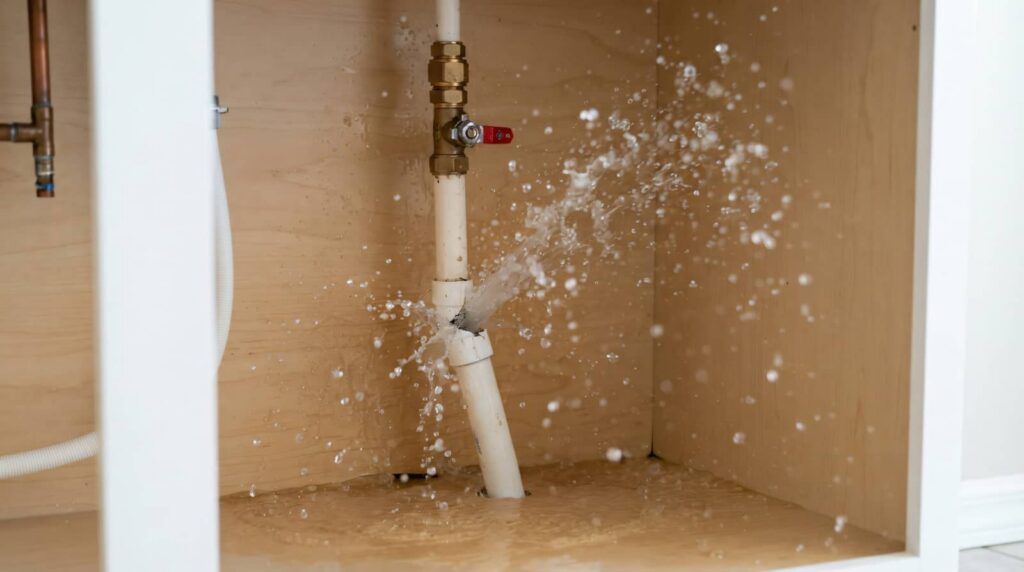
A burst pipe can send gallons of water through your home in minutes. 24 Hour Water Removal for Burst Pipes starts with spotting the signs quickly, shutting off the main supply, and removing standing water before moisture spreads behind walls and under flooring. Every delay can increase the risk of structural damage and mold. The next steps determine whether you contain the loss or face a much larger repair.
Key Takeaways
- Shut off the main water valve immediately if safe to stop further flooding and reduce damage.
- Call 24-hour emergency water removal when a burst pipe or active leak is spreading water quickly.
- Remove standing water fast with pumps, wet vacs, fans, and dehumidifiers to limit structural damage and mold.
- Check hidden areas like walls, subfloors, insulation, and trim for trapped moisture after extraction.
- Avoid electrical hazards, document damage for insurance, and contact professionals if water is extensive or returning.
Is This a Water Emergency?
Is it a water emergency? If you see active pooling, a burst line, or water pushing through walls or flooring, treat it as urgent.
You need 24 hour water removal for burst pipes when the leak keeps feeding moisture into your space and you can’t stop it safely.
Check for wet ceilings, swollen trim, ruined carpet, or water near outlets, then shut off the main valve if you can do it without risk.
Don’t wait for the area to dry on its own. You’re not handling this alone; you’re responding with a team mindset and a clear plan.
Call for emergency service when water is spreading, when the source is unknown, or when you need immediate containment and extraction.
Why Fast Water Removal Matters
You need to stop water spread fast, because every minute increases saturation in walls, floors, and insulation.
Quick removal limits structural damage by reducing warping, swelling, and material failure.
It also lowers mold risk by cutting the moisture window that supports growth.
Stop Water Spread Fast
When a pipe bursts, fast water removal can stop the spread before moisture moves into flooring, drywall, and structural cavities.
You need to act as soon as water appears, because standing water travels through seams, edges, and low points with surprising speed.
A rapid extraction crew uses pumps, vacuums, and targeted drying to pull bulk water off the surface and keep it from advancing room to room.
You stay ahead of saturation when you clear water before it migrates under baseboards or into hidden joints.
Quick response also helps you keep your space safe and organized, so you and your household can get back to normal faster.
With 24 hour water removal, you’re not waiting, you’re controlling the flood line.
Limit Structural Damage
Fast water removal limits structural damage by reducing how long moisture can soak into framing, subfloors, insulation, and load-bearing materials.
You need to act before swelling, warping, and delamination weaken the assembly and force costly reconstruction. Standing water adds weight to floors, saturates sheathing, and can shift fasteners, so every minute matters.
When you remove water quickly, you preserve dimensional stability, protect joints, and keep finish materials from separating from their backing.
Your team can then inspect cavities, track hidden saturation, and stabilize the structure before deterioration spreads. Fast action gives you control, protects your property, and keeps your space safe for the people who count on it.
That’s how you stay ahead of damage and stay with your home.
Reduce Mold Risk
Moisture that lingers after a burst pipe gives mold the conditions it needs to take hold within 24 to 48 hours. You need immediate extraction, because every wet surface becomes a growth site if you delay.
Fast drying lowers spore activation, protects air quality, and helps you avoid costly remediation. When you act now, you keep drywall, framing, and insulation from becoming contaminated.
You also reduce the chance that hidden moisture spreads behind walls or under flooring, where mold can grow unnoticed. In a real emergency, you’re not handling this alone; you’re choosing the same rapid response trusted by prepared property owners.
24 hour water removal helps you contain the problem before it becomes a health and cleanup crisis.
Shut Off the Water and Stay Safe
Shut off the main water valve immediately to stop the flow and limit further damage.
Keep clear of electrical hazards by avoiding standing water near outlets, appliances, and breaker panels.
If flooding has reached living areas, evacuate at once and wait for 24 hour water removal crews to secure the site.
Shut Off Main Valve
If a pipe bursts, your first move is to stop the flow at the main valve and reduce the spread of water immediately.
Locate the shutoff fast; it’s usually near the water meter, in a basement, crawlspace, utility closet, or at the street side access.
Turn the handle clockwise until it stops, or rotate the lever a quarter turn if you have a ball valve.
Don’t force a stuck valve; use steady pressure and keep your footing stable.
Once closed, open a faucet on the lowest level to relieve trapped pressure and confirm the supply has stopped.
Your crew should move quickly, stay coordinated, and treat this step as the control point that protects your home from escalating loss.
Avoid Electrical Hazards
Water and electricity can turn a burst-pipe emergency into a shock hazard, so keep clear of outlets, cords, appliances, and breaker panels in any wet area.
If you can reach it without stepping through standing water, shut off power at the main service only after you’ve isolated the leak and confirmed the area is dry enough to approach safely.
Don’t plug in fans, vacuums, or pumps near moisture. If you smell burning, hear popping, or see sparks, back away and wait for a licensed electrician.
Keep your family or crew aligned on one rule: no one touches energized equipment in a flood zone.
Your safety comes first, and fast, careful action keeps the whole team protected.
Evacuate Flooded Areas
Move everyone out of flooded rooms immediately and close the main water supply valve as soon as you can safely reach it.
Guide family, coworkers, and guests to a dry area, then account for each person. If water is near outlets, appliances, or the breaker panel, keep clear and call emergency help.
You shouldn’t wade through deep water, since hidden debris and contamination can injure you. Wear boots only if you must cross a shallow path to exit.
Keep children and pets with you, and use a calm, firm voice so everyone moves together.
Once you’re safe, report the leak, document damage, and contact 24 hour water removal for burst pipes and active flooding. Fast action protects your home and keeps your team safe.
What to Do Before Help Arrives
When a burst pipe starts spreading water, shut off the main supply immediately if you can do so safely. Then cut power to affected areas and protect nearby belongings. Move electronics, papers, and textiles to a dry room or elevate them on stable surfaces.
If water is near outlets, don’t touch cords or switches. Wear boots and gloves to reduce contamination and slip risk. Open doors for access, but avoid forcing flooded interior spaces. Mark hazards for everyone in your household so nobody reenters too soon.
Document visible damage with photos for your claim, then keep pets and children clear of the wet zone. Stay in one safe area, monitor the leak, and wait for certified technicians. Your quick, calm actions help your team limit secondary damage.
Start Burst Pipe Water Removal Fast
Start burst pipe water removal immediately to limit saturation, structural damage, and mold growth.
You need to move fast because standing water keeps wicking into framing, subfloors, and insulation. Quick extraction lowers repair scope and helps your team stay ahead of hidden damage.
If you’re coordinating with professionals, give them direct access and clear updates so they can work without delay.
- Shut off the water supply and verify pressure is off.
- Remove pooled water with pumps or wet vacuums as soon as possible.
- Keep traffic limited so you don’t spread contamination or force water deeper.
Acting now helps you protect the property and stay aligned with others handling the response.
Fast action gives everyone a stronger position and a cleaner recovery path.
Dry Out Floors, Walls, and Contents
Drying floors, walls, and contents quickly is critical after 24-hour water removal because residual moisture can continue to damage materials and drive mold growth.
You need to move air across every wet surface, open cavities that can breathe, and remove soaked items from the structure. Position high-velocity fans to promote evaporation, run dehumidifiers to pull vapor from the air, and keep temperature stable for efficient drying.
Lift carpets, pad, and furniture off saturated flooring so each layer can dry at the same rate. Check wood, drywall, and textiles for dampness, not just surface dryness.
Act fast, document conditions, and keep your team aligned so no material stays wet longer than necessary. Timely drying protects your space and helps you get back to normal sooner.
Remove Hidden Water Before Mold Starts
Hidden water behind walls, under floors, and inside cavities has to be removed quickly, because trapped moisture can trigger mold within hours. You need to act now, so your home stays safe, clean, and part of a protected space.
Use meters, thermal checks, and visual inspection to locate damp pockets that surface drying misses. Then remove moisture from concealed areas before spores spread.
- Open access points where water collects.
- Check baseboards, trim, and insulation for saturation.
- Dry each hidden zone until readings normalize.
If you leave moisture behind, odor, staining, and microbial growth can follow fast. You deserve a dry, stable environment, and precise removal helps you get there.
How Burst Pipe Water Removal Works
When a pipe bursts, water removal begins with immediate shutoff, rapid extraction, and a fast damage check to stop spread through floors, walls, and fixtures. You turn off the main supply, then crews use pumps, wet vacs, and truck-mounted extractors to pull standing water from hard surfaces and hidden pockets.
They move room by room, protecting your home’s structure and reducing saturation in baseboards, subfloors, and drywall. Next, they measure moisture with meters and map affected areas so no wet zone gets missed.
Air movers and dehumidifiers then lower humidity and speed drying. You stay informed at each step, and your space gets treated like it’s part of a prepared response team, not just a damaged room waiting for luck.
When to Call Water Removal Pros
Call water removal pros right away if a burst pipe is flooding rooms, water is moving into walls or subfloors, or you can’t stop the flow quickly.
You need emergency help when moisture reaches electrical systems, ceiling cavities, or insulation, because hidden damage spreads fast. Acting alone can leave you with mold, warped framing, and costly structural loss.
Our 24 hour water removal teams use extraction pumps, moisture meters, and drying equipment to stabilize the site and protect your home like it’s our own.
- Call if standing water exceeds a few inches.
- Call if drywall, flooring, or trim feels saturated.
- Call if the leak returns after shutoff.
Frequently Asked Questions
How Much Does Emergency Water Removal Usually Cost?
Emergency water removal usually costs $1,000 to $4,000, but you’ll pay more for severe flooding, after-hours service, or mold risks. You should act fast, because delays can raise damage, drying, and repair costs.
Does Insurance Cover Burst Pipe Water Damage Cleanup?
Usually, yes, if you’ve got a standard policy and you act fast. You’ll need to document damage, prevent further loss, and file promptly. Coverage often excludes neglect, so check your policy and call your insurer now.
Can I Stay Home During Active Flood Cleanup?
No, you usually shouldn’t stay home during active cleanup. You’re standing on thin ice if water’s spreading; leave fast, shut off power, and let professionals handle extraction, drying, and contamination control.
How Long Does Full Drying Take After Pipe Bursts?
Full drying usually takes 3 to 7 days, but you’ll need longer if materials soaked deeply. You should start emergency extraction fast, use dehumidifiers, and monitor moisture daily so you don’t trap hidden damage.
What Equipment Is Used for Hidden Water Detection?
Thermal cameras, moisture meters, hygrometers, and acoustic sensors find hidden water fast—because water loves to hide. You’ll need them urgently to protect your space and stay in the group that acts before damage spreads.
Summary
When water is pouring in, can you afford to wait? You need to shut off the main supply, protect everyone in the area, and start 24-hour water removal immediately. Fast extraction limits structural damage, reduces the risk of mold, and helps dry hidden moisture before it spreads. If the flooding is beyond what you can control, call water removal pros right away. Every minute counts, and your response can save your property.