
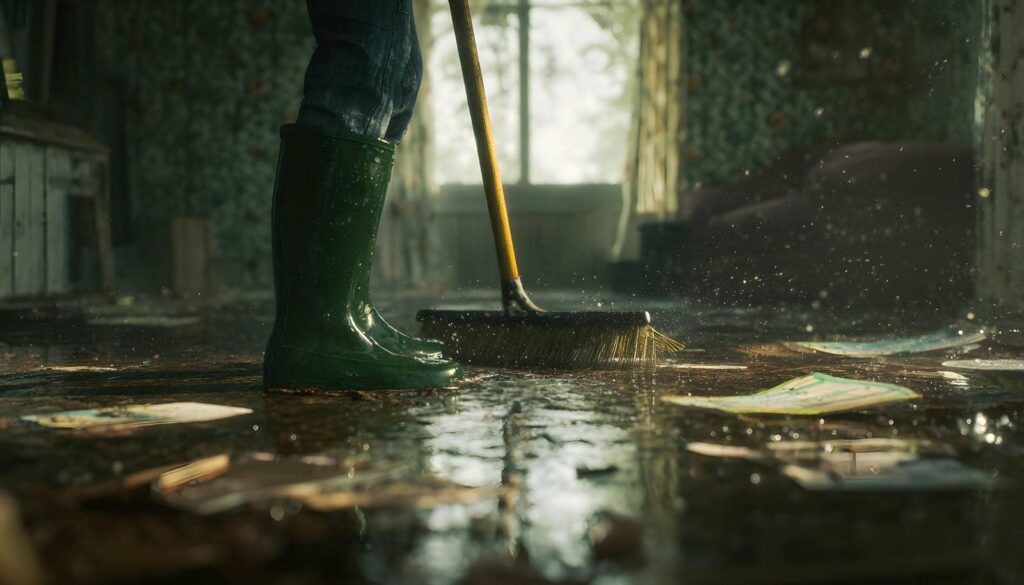
When water invades your home like an uninvited tide, you need a fast, methodical response. You’ll see a team inspect the damage, locate the source, and document everything for insurance. Then they’ll extract standing water, set drying equipment, and watch for hidden moisture that can lead to mold. The real question is how quickly they can limit the damage before it spreads.
Key Takeaways
- Expect a rapid response to inspect the damage, stop the water source, and protect your property from further loss.
- Technicians will remove standing water, then use air movers and dehumidifiers to dry hidden moisture.
- They will map wet areas, test materials, and document damage for insurance and recovery records.
- Fast action helps prevent mold, odors, swelling, and damage to porous materials and belongings.
- You should receive a clear estimate, regular updates, and guidance on cleaning, disposal, and insurance claims.
What Emergency Water Removal Covers
When water starts spreading after a flood or leak, emergency water removal covers the fast actions needed to stop further damage. You get a crew that inspects the source, shuts off affected utilities, and maps moisture in floors, walls, and contents.
They extract standing water with pumps and vacuums, then use air movers and dehumidifiers to pull hidden dampness from materials. You’ll also see targeted cleaning to remove debris, protect salvageable items, and reduce contamination risk.
If you’re searching for emergency water removal services near me, you want a team that explains each step, documents conditions, and coordinates with your property needs. This service focuses on control, safety, and restoring a workable indoor environment.
Why Fast Water Removal Matters
Fast water removal matters because moisture keeps spreading long after the visible water appears to stop. When you act quickly, you limit how far water travels into floors, walls, and hidden gaps. That helps you protect your space and feel less overwhelmed.
Fast action also supports a cleaner, safer recovery for your home or business.
- It reduces absorption into porous materials.
- It lowers the chance of mold growth.
- It helps salvage more of your belongings.
You don’t have to manage the damage alone. A rapid response gives you a clear path forward and keeps small problems from turning into larger repairs.
When you choose emergency water removal, you join a team that knows timing matters and treats your situation with care.
What Happens During the First Visit
During the first visit, the water removal team inspects the affected areas, identifies the source of the moisture, and checks how far it has spread.
You’ll see them map wet zones, test materials, and note safety concerns such as electrical risks or hidden contamination. They’ll explain what they find in plain language, so you know what’s urgent and what can wait.
Expect them to document damage for your records and insurance, then outline the next steps for your property. If needed, they’ll help you secure belongings and limit further loss.
This visit is about giving you control, clear information, and a plan you can trust. You’re not handling the situation alone; you’ve got a trained team working with you right away.
How Emergency Water Removal Services Dry the Area
You’ll start with moisture detection to find hidden damp spots in walls, floors, and cavities, so nothing gets overlooked.
Then the team sets up airflow drying with air movers and dehumidifiers to pull moisture out efficiently.
This controlled process helps you dry the area faster and reduces the risk of mold and structural damage.
Moisture Detection
Moisture mapping is the first step in drying a flooded area, because hidden water can linger behind walls, under flooring, and inside insulation after visible surfaces look dry. You’ll see technicians use meters and thermal imaging to find wet pockets fast, so your home gets the right plan, not guesswork.
They compare readings across rooms, document the damp zones, and track progress until levels return to safe ranges.
- They check floors, baseboards, and wall cavities.
- They verify which materials still hold moisture.
- They confirm when the structure’s dry enough for the next phase.
That careful detection helps you feel included in each decision, because you know what’s happening and why. It also prevents overlooked dampness from causing odors, swelling, or hidden damage later.
Airflow Drying
Once the wet areas are mapped, technicians set up airflow drying to move moisture out of the structure fast.
You’ll see high-velocity air movers placed to push damp air off floors, walls, and framing, while dehumidifiers capture that vapor before it can settle again.
This combo shortens drying time and helps protect drywall, insulation, and subflooring from swelling or mold growth.
The team adjusts equipment based on temperature, humidity, and material type, then checks readings so you know progress is real, not guesswork.
You stay informed at each step, and the crew works with your space, not against it.
That means less disruption, steadier drying, and a cleaner path back to normal.
How Much Do Water Removal Services Cost?
You’ll typically see water removal costs based on average service rates, with the final price rising or falling with factors like water volume, contamination level, access, and drying time.
You can expect a technician to inspect the damage, explain the pricing structure, and identify any equipment or labor charges before work starts.
If you have insurance, you should also confirm your coverage early, since many policies can offset part of the emergency response cost.
Average Service Rates
Emergency water removal services usually cost more when crews must respond after hours, extract standing water, and dry affected materials fast. You can usually expect a standard service call to cover inspection, extraction, and initial drying setup.
Many providers quote by room, square footage, or time on site, so your estimate may look different from a neighbor’s. A typical visit often falls into a few service tiers:
- Small, contained cleanup
- Moderate extraction with drying
- Large-scale mitigation and monitoring
You’ll fit best with a team that explains each charge clearly and keeps the process steady.
Ask for a written estimate before work starts, and you’ll know what’s included. That clarity helps you stay calm, make smart choices, and get your space back safely.
Key Pricing Factors
Because water removal jobs vary so much, your final cost usually depends on the size of the affected area, how much water crews must extract, and how quickly they need to respond.
You’ll also pay more if the water has soaked into carpet, drywall, or subflooring, since those materials take longer to dry and may need removal.
Specialized equipment, like truck-mounted extractors, dehumidifiers, and air movers, can raise the price, but it speeds recovery and helps protect your space.
Labor hours matter too, especially when crews work overnight or in hard-to-reach areas.
A clear site assessment lets you know what’s required before work starts. That way, you can plan with confidence and feel like you’ve got a capable team on your side.
Insurance And Coverage
If your water damage stems from a covered event, homeowners or commercial property insurance may offset part of the removal bill, but the payout usually depends on the cause, policy limits, deductible, and how quickly you report the loss.
You’ll still want to document everything so your claim team can verify the loss and keep you moving forward with confidence.
- Call your insurer fast to open the claim and prevent delays.
- Save photos, receipts, and invoices so you can prove the scope of work.
- Ask about direct billing because some providers coordinate payment with adjusters.
Coverage often excludes gradual leaks, so review your policy and talk with your adjuster before approving extra work.
That way, you stay protected and connected to the support network you deserve.
What Damaged Items Can Be Saved?
Which damaged items can you save after water exposure? You can often save hard, nonporous materials if you act quickly.
Metal furniture, glass, sealed stone, and many plastics usually recover after cleaning and drying. Solid wood may survive if it hasn’t warped or split badly.
Books, photos, and papers can sometimes be rescued through prompt freezing or controlled drying, though stains may remain.
Upholstered items, mattresses, and carpet padding are harder to save because they trap moisture and contaminants.
Electronics need professional evaluation before you power them on. You should separate keepers from losses early, because mold can start fast.
If an item smells musty, feels swollen, or shows visible growth, treat it as unsafe.
With fast response, you can protect more of what matters and feel steadier.
How to Choose a 24/7 Water Removal Team
How do you choose the right 24/7 water removal team when every minute counts? You want a crew that answers fast, explains the process clearly, and makes you feel like you’re in capable hands.
Check for certified technicians, documented emergency response times, and full moisture mapping with infrared and meter readings. A reliable team should also handle extraction, drying, and sanitation without handing you off.
Verify 24/7 dispatch and real local coverage.
Ask about insurance claim support and written estimates.
Confirm advanced equipment, monitoring, and cleanup protocols.
When you compare teams, look for clear communication and consistent follow-through.
That’s how you protect your home, reduce damage, and join the customers who got control back quickly.
Frequently Asked Questions
How Long Does Emergency Water Removal Usually Take?
Usually, you’ll see emergency water removal take 2 to 8 hours, depending on flood size, access, and equipment. You can expect crews to extract water fast, then monitor moisture and start drying right away.
Will I Need to Leave My Home During Service?
Usually, you won’t need to leave; think of service as a surgical cleanup. You can stay if conditions are safe, but you’ll need clear access, airflow, and temporary limits on affected rooms during drying.
Do Water Removal Teams Handle Insurance Claims?
Yes, they often help with insurance claims by documenting damage, taking photos, and providing reports you can share. You’ll stay informed, supported, and ready, while they coordinate directly with your adjuster when possible.
Can Emergency Crews Remove Mold After Flooding?
Yes, they can, and you should expect them to isolate contaminated areas, remove affected materials, dry everything fast, and apply antimicrobial treatment. You’ll feel supported when crews test moisture and verify safe, complete cleanup.
What Should I Do Before the Team Arrives?
You should shut off power to affected areas, stop the water source if you can, move valuables, and ventilate rooms. Don’t use wet appliances. Document damage, and keep clear access for the crew.
Recap
So when water barges in uninvited, you don’t need a drama queen with a mop—you need a 24/7 crew that shows up fast, measures moisture like it’s a science fair, and starts the drying parade before mold moves in rent-free. Expect clear updates, documented damage, and equipment that sounds like it means business. If you act quickly, you’ll save more, stress less, and keep your home from becoming a very expensive indoor swamp.