
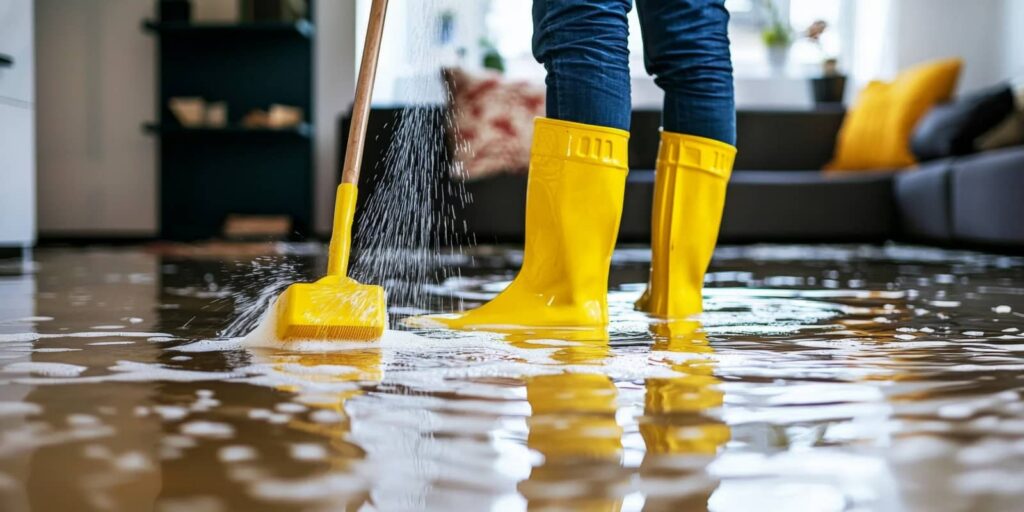
After storm flooding, you need to act fast, but safety comes first. Flood Cleanup After Storm Damage starts by shutting off power and gas if it’s safe to do so, then using protective gear before entering the affected area. Next, remove standing water, mud, and debris as quickly as possible to limit structural damage and mold growth. Some items can be saved, but knowing what to keep and when to call in help can make all the difference.
Key Takeaways
- Shut off electricity, gas, and water if safe, and wear protective gear before entering flooded areas.
- Remove standing water quickly with pumps, wet vacuums, or buckets, working from the lowest point outward.
- Clear mud, debris, sharp objects, and contaminated materials immediately after water removal.
- Sort salvageable items, discard porous or sewage-exposed items, and document damage before disposal.
- Dry walls, floors, and indoor air fast with fans and dehumidifiers, and call professionals for severe damage.
What To Do First After Flood Damage?
After flood damage, you should first focus on safety, then water removal, and then drying.
For flood cleanup after storm damage, you’ll want to inspect the affected space, document visible damage, and contact your insurer if needed.
Next, begin removing standing water with pumps, wet vacuums, or extraction equipment sized for the job. Open windows if conditions allow, and run fans and dehumidifiers to lower moisture quickly.
Remove soaked materials that can’t be salvaged, and separate items that may still dry out. Work methodically so you reduce secondary damage and keep your cleanup team coordinated.
If you stay organized, you’ll protect your property, speed recovery, and move forward with confidence after the storm.
Make The Area Safe Before Cleanup
Before you start cleanup, shut off electricity, gas, and water if it’s safe to do so.
Check for structural hazards like weakened floors, damaged ceilings, and unstable walls before you enter the area.
Wear protective gear, including boots, gloves, and a mask, to reduce your exposure to contaminants and debris.
Shut Off Utilities
Turn off electricity, gas, and water at the main controls as soon as you can safely reach them.
If you’re unsure which switches or valves control each service, contact your utility provider before entering deeper into the space.
Shutoff steps reduce shock, fire, and contamination risks while you work with your cleanup team or trusted helpers.
Use a flashlight instead of candles, and never reset breakers or relight pilot lights until a qualified professional says it’s safe.
If you smell gas, leave immediately and report it from outside.
Keep utilities off until standing water is gone, equipment is dry, and systems have been inspected.
Taking these steps helps protect everyone on site and lets you start recovery with confidence.
Check Structural Hazards
Once the utilities are secured, inspect the area for structural hazards and don’t enter any space that looks unstable.
Look for sagging ceilings, cracked walls, bowed floors, shifted foundations, and doors or windows that suddenly won’t open. If you hear popping, see new gaps, or notice fresh movement, back out and keep others away.
Floodwater can weaken framing, loosen fasteners, and hide damage inside walls and under flooring, so trust visible warning signs.
Mark unsafe rooms, block access, and wait for a qualified inspector if you’re unsure. You’re not overreacting by pausing; you’re protecting your team and your home.
Taking a careful walk-through now helps your cleanup crew work with confidence and keeps everyone on the same safe page.
Wear Protective Gear
Put on the right protective gear before you touch any flood-damaged materials. You need waterproof boots with slip-resistant soles, heavy gloves, long sleeves, long pants, and eye protection to reduce cuts, chemical contact, and contamination.
If mold, dust, or sewage exposure is likely, wear an N95 respirator or a better-rated mask that fits snugly. Change wet clothing quickly, and wash exposed skin with soap and clean water.
Keep a sealed bag for damaged items, because shared cleanup spaces stay safer when debris doesn’t spread. If you’re working with others, check each other’s gear before entering the area.
When everyone suits up correctly, you protect your health and help your team move forward with confidence.
Turn Off Power And Gas Lines
Before you enter a flood-damaged area, shut off the main electrical power and gas supply if you can do so safely.
If water is near the breaker panel, meter, or gas valve, stop and call your utility company or emergency services. You should never wade through water to reach live equipment.
Use a flashlight, not candles, to inspect the area from a dry location. Once power is off, tell everyone in your household or response team so no one restores it too soon.
Gas leaks can ignite quickly, so listen for hissing and smell for sulfur-like odors. If you suspect a leak, leave immediately and report it.
Taking these steps helps protect your crew, your home, and the people who support you.
Remove Standing Water After Flood Damage
With the power and gas lines secured, you can start removing standing water as soon as the area is safe to enter.
Use pumps, wet vacuums, or buckets to lower water levels quickly, and work from the lowest point toward exits. If water is deep, call trained help so you don’t overload equipment or put yourself at risk.
Wear waterproof boots, gloves, and eye protection, since floodwater can hide contaminants and sharp hazards. Keep children and pets away while you work.
As you remove water, check walls, floors, and furnishings for signs of weakening or swelling. Open windows if conditions allow, and run fans or dehumidifiers to begin drying the space.
Acting fast helps protect your home and gives your cleanup crew the best possible start.
Remove Mud And Debris
Once the standing water is gone, start clearing mud and debris right away so the space can dry and you can inspect for damage.
Wear boots, gloves, and a mask, and work methodically from the outside in. Scoop thick mud into heavy-duty bags, then shovel out silt from corners, drains, and low spots. Keep pathways open so you can move safely and get airflow where it matters.
- Pull down loose branches and broken materials
- Scrape packed mud from floors and steps
- Collect glass, nails, and sharp fragments
- Rinse remaining grit from hard surfaces
You’re not just cleaning; you’re restoring control. A steady, organized approach helps your team stay safe, limits lingering moisture, and sets up the next phase of cleanup.
Sort Salvageable Items From Damaged Ones
As you clear the area, separate items you can save from those that are too damaged to keep so cleanup stays organized and efficient.
You’ll work faster when you group belongings into simple categories: keep, clean, document, and discard.
Check each item for structural damage, saturation, mold growth, corrosion, and contamination. Hard-surface tools, sealed containers, and intact furniture may be salvageable if they’re stable and not heavily soaked.
Porous materials, swollen particleboard, and items exposed to sewage usually need disposal.
Label piles clearly and move salvageable pieces to a dry staging area.
Take photos and note contents before you discard anything.
Your careful sorting protects health, reduces confusion, and helps your household or crew stay coordinated through the recovery process.
Dry Walls, Floors, And Air
You should dry wall surfaces as soon as possible to limit moisture absorption and reduce the risk of mold growth.
Remove standing water and trapped floor moisture with proper extraction and drying methods, then check hidden areas like baseboards and subfloors.
Keep indoor air moving with fans and dehumidifiers so you can accelerate evaporation and stabilize the space.
Dry Wall Surfaces
After the standing water is removed, dry wall surfaces, floors, and indoor air as quickly as possible to reduce further damage and mold growth. You can protect your space by opening windows, running fans, and increasing ventilation where safe.
Remove wet drywall, insulation, or baseboards that won’t dry promptly. Keep the area clear so air moves freely and moisture doesn’t linger.
- Use a dehumidifier to lower humidity.
- Place fans to circulate air across surfaces.
- Check hidden wall cavities for dampness.
- Dispose of materials that stay wet.
You’re not doing this alone; these steps help your home recover with less risk and more control.
Focus on consistent drying, and you’ll create a safer environment for everyone in your household.
Remove Floor Moisture
Lift lingering moisture from floors as soon as possible to slow structural damage and mold growth. You can start with wet vacuums, absorbent towels, or a mop-and-bucket routine for small areas.
Pull up rugs, pads, and movable flooring materials so trapped water doesn’t stay against the subfloor. If you have hardwood, inspect seams and edges closely, because standing water can swell boards and weaken adhesives.
For tile or sealed concrete, remove puddles and wipe joints dry. Keep children and pets away from slick surfaces while you work.
Check baseboards and floor vents for hidden dampness, since moisture often migrates there. When you act quickly and methodically, you protect your home and help everyone in it feel secure and supported.
Circulate Indoor Air
Open windows and doors when weather conditions allow to move damp air out and bring drier air in. You should also run fans to keep air moving across wet walls, floors, and hidden corners.
Good circulation speeds evaporation, lowers humidity, and helps reduce the chance of mold growth. If you use HVAC, set it to circulate air without recirculating contaminated moisture, and replace filters as needed.
Work room by room so you can track progress and stay organized together.
- Place box fans near windows.
- Keep interior doors open.
- Aim airflow over damp surfaces.
- Check for lingering musty odors.
You’re building a safer, drier space, and steady airflow helps your cleanup team see real improvement each hour.
When To Call Flood Cleanup Pros
If the floodwater has soaked walls, flooring, insulation, or electrical systems, you should call flood cleanup professionals right away.
You need trained crews when water reaches hidden cavities, foul odors linger, or you suspect mold growth.
Professionals use moisture meters, extraction equipment, and industrial air movers to stop secondary damage and protect your home’s structure.
They also know how to handle contaminated water, which can carry bacteria and debris.
If you’re unsure whether the damage is too deep, trust a pro for an inspection.
Acting quickly helps you stay safe, avoid costly repairs, and join others who recover faster after storm damage.
With expert support, you don’t have to manage the cleanup alone.
Frequently Asked Questions
How Do I Document Flood Damage for Insurance Claims?
You’ll document flood damage by photographing every affected area, listing damaged items with brand names, serial numbers, and estimated values, then saving receipts, insurer correspondence, and repair quotes. Keep copies backed up and dated.
Can I Stay in My Home After Minor Flood Damage?
Yes, you can stay if the water’s footprint is small and hazards are gone. You should turn off power, dry everything fast, and watch for mold. If walls feel soft, leave and call a pro.
What Signs Indicate Hidden Mold After Flooding?
You’ll notice hidden mold by musty odors, stained drywall, warped floors, peeling paint, damp insulation, or worsening allergies. Check behind walls and under flooring; if you see these signs, you should act quickly.
How Should I Clean Contaminated Belongings Safely?
You should sort belongings, discard porous items, and wash hard surfaces with hot, soapy water, then disinfect. Wear gloves, boots, and a mask; isolate contaminated items, ventilate the area, and dry everything completely.
Which Items Can Be Donated After Flood Cleanup?
You can donate sealed, undamaged items like unopened canned goods, bottled water, clean clothing, and intact household goods, if they’re dry and uncontaminated. Think of them as fresh armor; you’ll help others and avoid spreading hazards.
Recap
When floodwater hits, you need to act fast, but calmly. You’ll shut off power and gas, make the area safe, and remove standing water before it spreads more damage. You’ll clear mud, sort what you can save, and dry everything quickly to reduce mold risk. Small jobs may stay manageable; widespread damage, hidden contamination, or soaked structures call for professionals. In storm cleanup, speed protects your home, but caution protects you.