
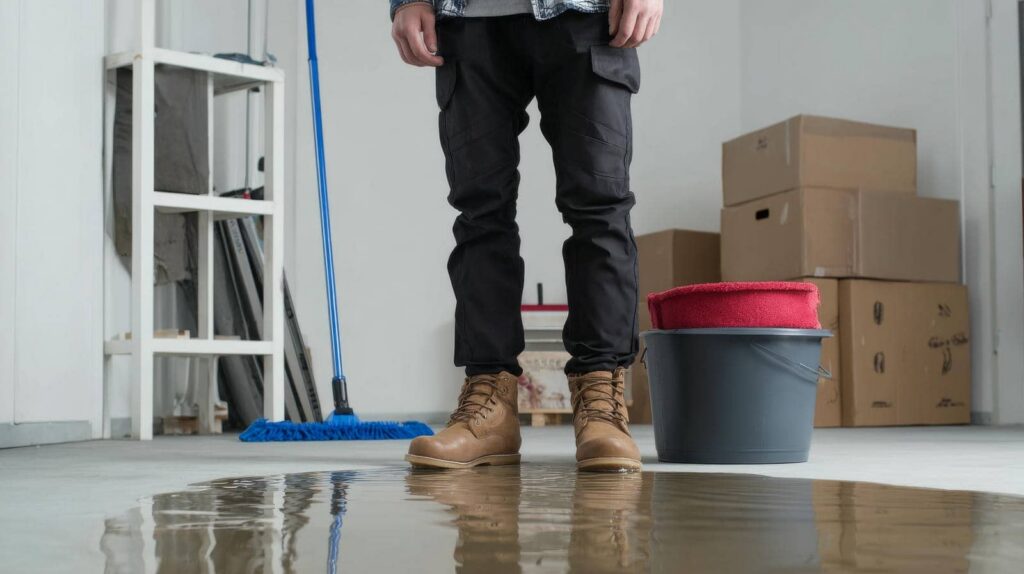
When your home floods, you need same day water removal to limit structural damage and stop moisture from spreading into walls, flooring, and insulation. You can reduce mold risk, speed drying, and improve the chances of saving more materials if you act fast. But not every wet area is obvious, and the steps you take before help arrives can change the outcome in ways you may not expect.
Key Takeaways
- Same-day water removal limits structural damage, mold growth, and moisture migration into walls, floors, and insulation.
- Shut off electricity, gas, and the main water supply if safe before technicians arrive.
- Professional crews extract standing water quickly, then inspect hidden moisture with meters and thermal imaging.
- Drying equipment like air movers, dehumidifiers, and pumps speeds recovery and protects indoor air quality.
- Call immediately for rising water, sagging ceilings, soft floors, sewage contamination, or wet electrical outlets.
Why Does Same Day Water Removal Matter?
Same day water removal matters because the longer water sits in your home, the more damage it can cause to floors, walls, and framing.
You lower moisture migration fast, which helps protect subfloors, insulation, and drywall from swelling and weakening.
Same day water removal for flooded homes also cuts the window for mold growth, since damp materials can support spores within 24 to 48 hours.
When you act quickly, you keep repairs smaller, drying times shorter, and indoor air safer for your household.
That speed gives you more control and helps your home feel like yours again sooner.
A trained team can extract standing water, assess hidden moisture, and start drying right away, so you’re not left waiting while damage spreads.
What to Do Before Help Arrives
Before help arrives, shut off electricity, gas, and water at the main supply if you can do so safely.
Move valuables, electronics, and important documents to higher ground to limit further damage.
These steps can reduce risk and help protect your home while you wait for same day water removal.
Shut Off Utilities
If it’s safe to do so, shut off the home’s electricity, gas, and main water supply right away to limit further damage and reduce safety risks.
Use the main breaker, then switch off individual circuits if you need to enter affected areas. If you smell gas, leave the home and contact the gas utility from outside.
Never touch wet electrical panels, cords, or outlets. Closing the main water valve stops additional inflow and helps your team work more efficiently when they arrive.
Keep a clear path to shutoff points so responders can access them fast. These steps protect you, your household, and your property while you wait for same day water removal.
Acting quickly helps your home feel more secure and keeps your recovery moving forward together.
Move Valuables High
Move valuables, electronics, documents, and small furniture to higher shelves or an upper floor as soon as you can.
Keep your movements quick and controlled, and avoid lifting anything that feels unstable or soaked.
Place items on dry surfaces, not against damp walls, so you reduce wicking and secondary damage.
If you can, gather family keepsakes, prescription records, chargers, and ID in one protected bin.
Use sealed bags or plastic containers for small items that can’t get wet.
Don’t stack heavy objects where they could fall.
You’re protecting what matters most and making recovery easier for your household.
Once the high-priority items are safe, step back and wait for same day water removal.
Fast action helps your home, your belongings, and your community recover together.
How Emergency Water Removal Works
Emergency water removal starts with a fast assessment of the flooded area, followed by extracting standing water with pumps and vacuums to stop further damage.
You’ll usually see technicians map affected rooms, check water depth, and isolate hazards so the work stays controlled. They remove water from carpets, subfloors, and hidden corners, which helps limit swelling, staining, and bacterial growth.
You stay informed while the team works, so you know what’s happening and what comes next.
Once the visible water’s gone, they inspect moisture migration in walls, trim, and flooring to confirm the cleanup is complete.
Acting quickly gives your home a better chance to recover, and it helps you feel supported by a crew that knows how to respond when your space is at risk.
What Equipment Dries Flooded Homes
You’ll typically see air movers, fans, dehumidifiers, and extractors used to dry a flooded home fast.
Air movers push moisture off surfaces, while dehumidifiers pull water vapor out of the air.
Extractors remove standing water first, so the drying equipment can work more efficiently.
Air Movers And Fans
Air movers and high-speed fans push moisture off floors, walls, and baseboards so drying starts fast after flooding. You’ll see them placed to create steady airflow across wet surfaces, breaking up trapped vapor and speeding evaporation.
Technicians aim each unit to reach corners, trim, and under cabinets, where water lingers longest. You’re not just getting airflow; you’re getting controlled drying that helps protect finishes, framing, and flooring from lingering dampness.
Proper placement matters, so crews adjust angles and spacing as surfaces begin to dry. The equipment runs continuously, and you can expect a louder work zone while the moisture leaves your home. That’s normal.
With the right setup, your space joins the drying process quickly, and you move one step closer to recovery.
Dehumidifiers And Extractors
Once air movers have started surface drying, dehumidifiers take over by pulling moisture out of the air and lowering indoor humidity.
You’ll usually see refrigerant or desiccant units placed in sealed rooms so they can keep working efficiently.
Extractors remove standing water from carpets, pads, and hard surfaces before it evaporates back into the space.
Together, this equipment speeds evaporation control, protects framing and finishes, and helps stop mold from taking hold.
You can expect technicians to monitor temperature, humidity, and moisture content, then adjust equipment as conditions change.
That hands-on process keeps your home on track for same-day water removal and helps you feel confident that your space is being restored by a team that knows what it’s doing, alongside you.
How Pros Find Hidden Water
Pros use moisture meters, thermal imaging, and targeted inspections to locate water that’s trapped behind walls, under flooring, and in cavities you can’t see. You’re not guessing; you’re getting a map of what needs attention.
We check baseboards, seams, cabinets, and junction strips, then compare readings across each room. That lets us trace where water traveled and where it stopped.
- Pinpoint damp zones with calibrated tools
- Confirm hidden pockets without opening everything
- Guide you toward the right drying plan
You stay informed because every reading has a purpose. When we find concealed moisture early, you can move forward with confidence, knowing your home’s affected areas are identified clearly and handled by a team that’s on your side.
Why Fast Extraction Prevents Mold
When water sits in your home, mold can start developing fast in damp materials, so immediate extraction is critical. You limit spore growth by removing standing water before surfaces stay wet long enough to support colonies.
Fast extraction also lowers humidity, which helps keep mold from spreading through air currents and settling in nearby rooms. Your team can then begin drying while materials still have a chance to recover, reducing the time microbes need to multiply.
This quick response protects your indoor air quality and helps you stay ahead of costly remediation. Acting the same day gives you a stronger chance to restore a safer, healthier space for everyone in your home.
You’re not rushing; you’re controlling the environment before mold gains a foothold.
Which Flooded Surfaces Can Be Saved?
Not every flooded surface has to be replaced, and a fast inspection can show you what can still be saved. You can often keep hard, nonporous materials if you dry them quickly and check for warping, staining, or loose joints.
In many homes, you’ll protect your space by acting early and choosing targeted cleanup.
- Ceramic tile and sealed stone usually recover well.
- Solid wood may survive if it didn’t stay soaked long.
- Metal trim, doors, and fixtures often dry without damage.
Porous items absorb water faster, so they need closer evaluation. If a surface keeps its shape, finishes, and attachment points, you may restore it instead of removing it.
That saves time, reduces waste, and helps you get back to normal with confidence.
How to Handle Sewage Cleanup Safely
Sewage cleanup needs careful handling because contaminated water can spread bacteria, foul odors, and hidden damage fast.
You should isolate the area, shut off HVAC airflow, and keep kids and pets away.
Wear gloves, boots, eye protection, and an N95 or better mask before you touch anything.
Remove porous materials like carpet, pad, and insulation that can’t be sanitized.
Clean hard surfaces with detergent first, then disinfect with a product labeled for sewage contamination.
Rinse, dry, and ventilate the space thoroughly to limit microbial growth.
Bag waste securely and wash your hands and gear after every task.
If you stay methodical, you protect your home and support everyone in it.
When the work feels overwhelming, you’re not alone; safe cleanup starts with steady, informed steps.
When to Call for Emergency Water Removal
How fast should you act after a flood? Immediately, especially when water keeps spreading or you can’t stop the source.
You should call for emergency water removal when ceilings sag, flooring feels soft, or electrical outlets are wet. Same day service helps protect your home’s structure and limits mold growth. You’re not overreacting—you’re making the right call for your space and the people in it.
- Standing water is still rising
- Water entered walls, insulation, or HVAC
- The flood involves sewage, chemicals, or storm runoff
If you smell mustiness, see discoloration, or notice warped materials, contact a response team right away.
Fast action gives your home the best chance to dry safely and recover fully.
Frequently Asked Questions
How Much Does Same Day Water Removal Cost?
You’ll usually pay $500-$2,500, depending on water depth, room size, and extraction speed. You can lower costs by calling quickly; same-day service often limits damage, drying time, and mold growth.
Will My Insurance Cover Emergency Water Removal?
Usually, yes—your policy may cover emergency water removal if a sudden, covered loss caused the damage. You’ll want to document everything, contact your insurer fast, and keep receipts; your claim can’t bloom without proof.
How Long Does the Drying Process Usually Take?
You’ll usually dry out in 2 to 5 days, but heavy saturation can take longer. You’ll speed things up with prompt extraction, airflow, and dehumidifiers, and you’ll lower mold risk by acting fast.
Can Furniture Be Saved After Flooding?
Yes, you can often save furniture after flooding—for example, your solid wood dining table may recover if you dry it fast. You’ll need to clean, disinfect, and inspect cushions or joints for hidden damage.
Do I Need to Leave My Home During Water Removal?
Usually, you don’t have to leave, but you may need to if crews shut off utilities, use strong drying equipment, or find contamination. You’ll stay safer when you follow the technician’s guidance closely.
Conclusion
When you act fast with same-day water removal, you give your flooded home the best chance to recover. You stop water from soaking deeper into floors, walls, and insulation, and you lower the risk of mold taking hold. Professionals can extract, dry, and inspect hidden areas before damage spreads. Think of quick response as hitting the brakes before a small leak becomes a much bigger repair. Call for help as soon as flooding starts.