Many people in the U.S. face a water damage emergency each day, and a burst pipe can spread fast. You need to shut off the main supply and cut power to wet areas, then extract standing water before it reaches subfloors and wall cavities. Quick action limits mold, preserves materials, and strengthens your claim. The next steps can determine whether you’re facing cleanup or a major repair.
Key Takeaways
- Shut off the main water valve and power to affected circuits immediately to stop flooding and reduce shock risk.
- Remove standing water fast with high-capacity extraction equipment to limit material damage and reduce mold risk.
- Move furniture and electronics away from wet areas, then document damage with photos for insurance claims.
- Dry hidden moisture in walls and flooring using air movers and dehumidifiers, while monitoring humidity and moisture levels.
- Call a water damage professional quickly if drywall, insulation, or cabinetry are wet, because hidden saturation can persist.
What to Do After a Burst Pipe
First, shut off the water supply immediately to stop additional flooding, then cut power to any affected areas if it’s safe to do so.
Next, identify the burst location and contain visible water with towels, mops, or a wet vacuum if you have one. Move furniture, electronics, and stored items away from the wet zone, and protect nearby surfaces with plastic or aluminum foil.
Document the damage with photos before you begin cleanup, and notify your insurer if your policy requires prompt reporting.
Then contact a qualified restoration team for emergency water extraction after burst pipe damage. You’re not handling this alone; trained technicians can assess the area, remove standing water, and guide your next steps with clear, practical support.
Why Fast Water Removal Matters
Fast water removal matters because standing water quickly migrates into subfloors, wall cavities, insulation, and cabinetry, where it can cause swelling, delamination, corrosion, and structural weakening.
You limit that progression when you extract moisture fast, because each hour increases absorption and material distortion. You also reduce the risk of trapped humidity that supports microbial growth and leaves lingering odors.
When you act promptly, you help your space stay stable, repairable, and safer for everyone who shares it. Fast removal also improves drying efficiency, so equipment works on less saturated materials and reaches hidden moisture sooner.
In a coordinated response, you’re protecting finishes, framing, and indoor air quality while keeping your home on a faster path back to normal.
Shut Off Water and Power Safely
You should locate the main water valve immediately and close it to stop additional flow from the burst pipe.
Next, cut power at the breaker panel to reduce the risk of electrical shock and equipment damage.
If you can’t confirm which circuits are affected, keep clear of standing water until the system is de-energized.
Locate Main Water Valve
Locate the main water valve immediately and shut it off to stop additional flooding from the burst pipe. You’ll usually find it where the service line enters the building, near the water meter, in a basement, utility room, crawlspace, or exterior meter box.
Turn the valve clockwise until it stops, and confirm the flow has ceased at faucets or fixtures. If you share the property, make sure everyone in your household knows the valve’s location so you can act fast together during an emergency.
Use a flashlight if needed, and keep the area clear for safe access. If the valve feels stuck, don’t force it; call a qualified plumber.
Once the water is isolated, you can focus on extraction, drying, and stabilizing the affected space.
Cut Power At Breaker
After shutting off the main water valve, cut power to any affected circuits at the breaker panel to reduce shock and fire risk.
You should switch off breakers for rooms with standing water, wet outlets, or submerged appliances, and verify that lights and equipment stay off.
If water’s reached the service panel, don’t touch it; call a licensed electrician or your utility provider right away.
You protect your home and your crew by treating every wet surface as energized until proven otherwise.
Use a flashlight, not a switch, when you move through the area.
Once the panel is isolated, document which circuits you отключed?
Remove Standing Water Fast
You need to remove standing water immediately to limit capillary spread and reduce saturation of floors, walls, and subfloors.
Use high-capacity extraction equipment and work in a systematic pattern so you can clear water fast and verify complete removal.
Quick action helps prevent warping, swelling, delamination, and other material damage.
Rapid Water Removal
Swift water removal is critical after a burst pipe because standing water spreads quickly, seeps into materials, and increases the risk of structural damage.
You need to deploy extraction equipment immediately, using wet vacuums, submersible pumps, or truck-mounted units to remove water from floors, low points, and hidden pockets.
Work methodically, starting at the deepest areas and moving outward so you don’t push water into adjacent spaces. You’ll improve control by opening pathways for flow and keeping extraction lines clear.
Monitor moisture levels as you work, and keep the process continuous until visible water is gone.
When you act fast and stay coordinated, you protect your space, support recovery, and help your team move forward with confidence.
Prevent Material Damage
Removing standing water fast limits how long moisture remains in contact with floors, drywall, trim, and contents, which reduces swelling, warping, staining, and delamination.
You also lower the chance that water wicks into baseboards, subflooring, and cabinet toe kicks, where damage can spread unseen.
Use extraction equipment to reach seams, corners, and low spots, then check porous materials for retained moisture.
If you act quickly, you protect finishes and preserve structural integrity before materials start to deform.
In a well-coordinated response, you and your team can stabilize the space, document losses, and keep salvageable items in the safe zone.
Fast removal doesn’t just dry the area; it keeps your property in a recoverable state and supports a cleaner, more controlled restoration process.
Protect Floors, Walls, and Furniture
Rapid water extraction helps shield floors, walls, and furniture from deeper damage after a burst pipe. You should remove standing water quickly so it won’t wick into hardwood, laminate, drywall, or upholstery.
Place protective barriers under furniture legs, lift items off wet flooring, and move lightweight pieces to a dry zone. For fixed cabinets and baseboards, you can use controlled extraction around edges to limit swelling and staining.
Keep traffic low, because grit and moisture can scratch finishes and weaken seams. When you act fast, you help preserve the structure and appearance of your space, and you keep your home feeling stable and cared for.
Your team should document affected areas before moving items, so you stay organized and work efficiently.
Dry Out Hidden Moisture
Once standing water is removed, you should dry hidden moisture in wall cavities, under flooring, and inside cabinetry before it spreads or lingers.
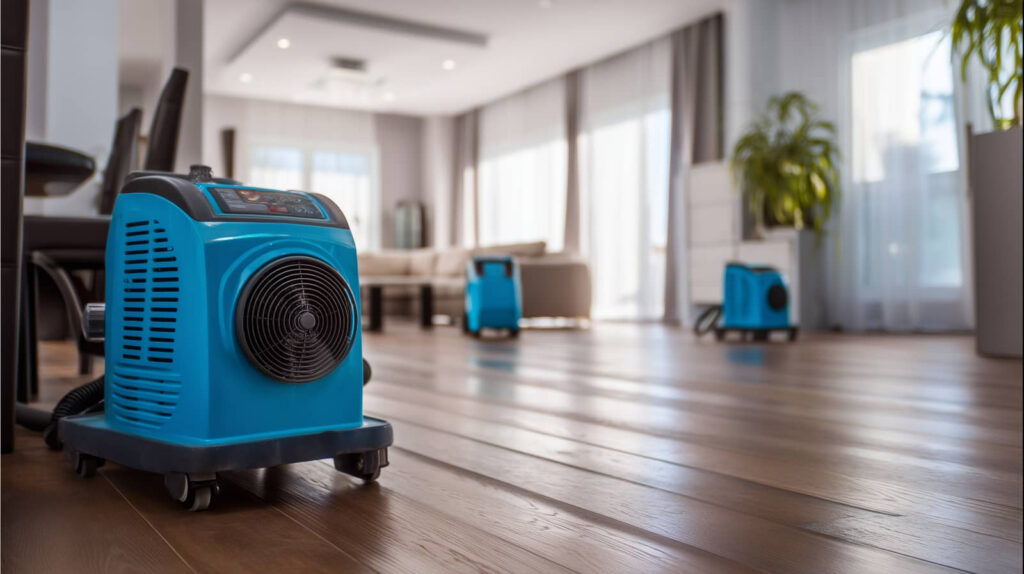
Open baseboards, remove kick plates, and create access points where air can move through enclosed spaces. Position high-velocity air movers to push dry air across damp materials, and run dehumidifiers to pull vapor from the room.
You should monitor temperature and humidity so drying stays on track and materials don’t stay wet longer than necessary. If you’ve got moisture trapped behind finishes, use targeted equipment to reach it directly.
Check contents and built-ins as part of the same drying zone. When you work methodically, you protect the structure and keep your recovery team aligned around the same clear goal.
Check for Mold and Odors
Inspect for mold growth and lingering odors as soon as the structure and materials are dry enough to evaluate safely. You should check baseboards, drywall seams, subfloors, insulation, and hidden cavities where moisture can persist.
Look for discoloration, fuzzy growth, staining, and a musty scent, which often indicate microbial activity. If you find these signs, isolate the area and improve ventilation while you arrange professional remediation.
Use moisture meters and your nose together, because odor can reveal contamination before visible growth appears. Don’t ignore HVAC registers, closets, and under-cabinet spaces, since air movement can spread spores.
Document Damage for Your Claim
After you’ve checked for visible mold, odors, and other hidden moisture issues, record the damage before repairs begin.
Use your phone or camera to capture wide shots and close-ups of affected floors, walls, trim, and belongings. Include date stamps, room names, and a brief note on what you see, so your file stays clear and credible.
- Photograph each area before moving items.
- Save receipts for extraction, drying, and temporary supplies.
- Keep a simple log of actions, times, and observations.
These records help you present a consistent claim and show the full impact of the burst pipe.
When you stay organized, you protect your interests and join others who handle water damage with confidence.
When to Call a Water Damage Company
If water is still spreading, soaking structural materials, or threatening electrical systems, you should call a water damage company right away.
You need professional extraction when moisture has reached drywall, insulation, subflooring, or cabinetry, because hidden saturation can continue after visible water is gone.
A trained team brings industrial pumps, air movers, dehumidifiers, and moisture meters to map damage and remove water quickly.
You’ll also get controlled containment that helps reduce contamination and secondary deterioration.
Call immediately if you smell mildew, notice sagging materials, or can’t verify that wet areas are dry.
Fast response protects your home, supports your claim, and helps you feel confident that experienced technicians are handling the restoration with precision and care.
Prevent the Next Pipe Burst
Once the water is extracted, you should reduce the risk of another burst by addressing the conditions that caused the failure.
Inspect exposed piping for corrosion, stress points, and poor insulation, then replace damaged sections before they fail again. Keep your home’s temperature stable, especially near exterior walls and crawl spaces, because sudden freezes can split lines. If your pressure is high, install or service a regulator so the system stays within safe limits.
- Test pipe pressure and correct excess force.
- Insulate vulnerable runs and seal cold air leaks.
- Schedule a licensed plumber to assess aging materials.
When you act now, you protect your property and help your household stay prepared, informed, and confident.
Frequently Asked Questions
How Long Does Water Extraction Usually Take?
Usually, you’ll need 1 to 3 hours for extraction, depending on water volume, access, and equipment. You can help speed it up by clearing the area and shutting off the source quickly.
Can Burst Pipe Water Damage Plumbing Warranties?
Yes—burst pipe water damage can void warranties if you don’t document cause and response. I’ve seen a missed 24-hour report turn coverage gray, like a cracked lens; you should review terms, prove maintenance, and notify fast.
Is Tap Water From a Burst Pipe Safe to Drink?
No, you shouldn’t drink tap water from a burst pipe. You may face contamination from rust, soil, or sewage. Boil only if authorities advise, and use bottled water until testing confirms safety.
Will Insurance Cover Emergency Water Extraction Costs?
Usually, yes—insurance often covers emergency water extraction if your policy includes sudden, accidental water damage. You’ll need to document the loss, act fast, and file promptly; think of it as stopping damage before it snowballs.
What Equipment Is Used for Professional Water Extraction?
You’ll typically use truck-mounted extractors, portable wet vacs, weighted squeegees, submersible pumps, air movers, and dehumidifiers. These tools pull standing water fast, dry materials thoroughly, and help you prevent lingering moisture and secondary damage.
Summary
You act fast, you cut the water, and you secure the power. You extract standing water quickly, you protect floors and walls, and you move furniture before damage spreads. You inspect for mold, you note odors, and you document every loss for your claim. When the damage is extensive, you call a water damage company. Then you prevent the next burst, because swift action now protects your home, your health, and your peace of mind.