Many of businesses never reopen after major water damage, so you can’t afford delays when standing water appears. Emergency Water Extraction helps remove water quickly before moisture spreads into subfloors, wall cavities, and insulation. If you notice pooling, saturation, or warped materials, the damage is already progressing. The next steps can determine whether you preserve the structure or end up facing a much larger restoration problem.
Key Takeaways
- Water extraction quickly removes standing water after leaks, burst pipes, or floods using pumps, vacuums, and moisture meters.
- Fast extraction limits structural damage, prevents material deterioration, and reduces mold growth risk.
- Signs you need extraction include standing water, damp drywall, wet carpet padding, musty odors, and rising humidity.
- After extraction, immediate drying with air movers and dehumidifiers is essential to remove hidden moisture.
- Professional water extraction improves cleanup, monitoring, and insurance documentation for more effective recovery.
What Is Water Extraction?
Water extraction is the rapid removal of standing water from a property after a leak, burst pipe, or flood. You use water extraction to clear pooled water from floors, carpets, crawl spaces, and other affected areas before it spreads further.
Technicians deploy pumps, vacuums, and moisture meters to target visible water and hidden saturation. You stay in control when you act fast and coordinate with a team that knows the process. This step helps you stabilize the space, limit disruption, and prepare for drying and repairs.
Water extraction isn’t just cleanup; it’s a focused response that restores order. When you need help, you’re part of a crew that moves with purpose and protects your property.
Why Fast Water Extraction Matters
Fast water extraction limits saturation in building materials, reducing the risk of structural damage.
You need to remove standing water quickly because prolonged moisture accelerates mold growth.
Acting fast helps protect your property and cuts repair costs.
Preventing Structural Damage
When standing water remains after a leak or flood, it can quickly weaken framing, warp flooring, and spread damage through your structure. You need fast extraction to keep materials stable and your space safe.
Water seeps into subfloors, base plates, and wall cavities, increasing load stress and reducing structural integrity. Act now to protect your home and the people who count on it.
- Remove pooled water before it migrates into hidden assemblies.
- Dry structural components to limit swelling and delamination.
- Inspect joists, drywall, and trim for early movement.
The sooner you respond, the less repair work you’ll face. Quick action helps you stay in control, protect your property, and keep your place strong for everyone who belongs there.
Reducing Mold Growth
Moisture left behind after a leak or flood creates an ideal environment for mold, so you need immediate water extraction to limit growth.
When you act fast, you reduce airborne spores, protect porous materials, and stop colonies from taking hold in drywall, carpet, and insulation.
Every hour counts because humidity and trapped water speed up contamination. You can’t wait for surfaces to “dry out” on their own; hidden moisture keeps feeding growth behind walls and under flooring.
By extracting water quickly, you help your home stay safe, cleaner, and more resilient. That means fewer odors, less remediation, and lower health risks for your household.
Move now, work with your team, and keep mold from claiming your space.
Signs You Need Water Extraction Now
If water sits on your floors or seeps into walls after a leak or flood, you need water extraction right away. You’re dealing with an urgent moisture load that can spread fast, so act now to protect your home and your crew.
Watch for these signs:
- Standing water that won’t drain
- Damp drywall, baseboards, or carpet padding
- Musty odor or rising humidity
If you notice any of these, don’t wait for the damage to settle. Wet materials can swell, stain, and weaken quickly, and hidden moisture can keep moving through your property.
You belong in a dry, stable space, and fast response helps you get there. Call for extraction as soon as the water keeps returning, the surface feels soaked, or the room starts smelling off.
What Happens During Water Extraction
During water extraction, a technician removes standing water fast using pumps, wet vacuums, and moisture meters to stop further spread.
You’ll see them map affected zones, check hidden saturation, and target floors, walls, and baseboards with precision. They keep equipment running until readings drop, then move room by room to keep your space stable and safe.
This quick, controlled process helps you protect what matters and stay connected to a crew that knows the pressure you’re under. Each pass cuts moisture, lowers risk, and supports the next step in recovery.
You need fast action here, because delay lets water move deeper into materials and raises the chance of bigger damage.
Water Extraction After Leaks and Floods
After a leak or flood, you need water extraction started right away to limit how far the water spreads. You act fast, and you keep damage from escalating.
Standing water can move through rooms, beneath finishes, and into hidden voids, so every minute matters. When you call for extraction, you join a team that knows how to respond with precision and urgency.
- Shut off the source if it’s safe.
- Remove excess water with high-capacity equipment.
- Monitor moisture so you know when the area is stable.
You need clear communication, quick coordination, and dependable action. Fast extraction helps you regain control, reduce disruption, and protect your space.
How Pros Protect Your Floors and Walls
Pros seal off affected areas fast to keep water from wicking into floors and drywall. You get critical protection when crews map the wet zone, set barriers, and isolate traffic paths.
They lift baseboards if needed, cut damp carpet from pads, and place floor guards over hardwood, tile, or laminate to limit staining and swelling. On walls, they check for saturation, remove trapped moisture at the edges, and shield finishes from impact during extraction.
You stay in the loop as the team labels materials, tracks damage, and works methodically to preserve what can be saved. This fast, disciplined setup helps your space stay controlled, limits spread, and keeps your restoration moving with the right crew at your side.
Drying After Water Extraction
Once the standing water is removed, drying needs to start right away to stop hidden moisture from spreading into framing, subfloors, and insulation.
You need to move fast, because damp materials can keep feeding damage long after the surface looks dry.
Professional drying uses controlled airflow, dehumidification, and moisture checks to pull water from deep layers.
You’re not just drying a room; you’re helping your property rejoin a safe, stable condition.
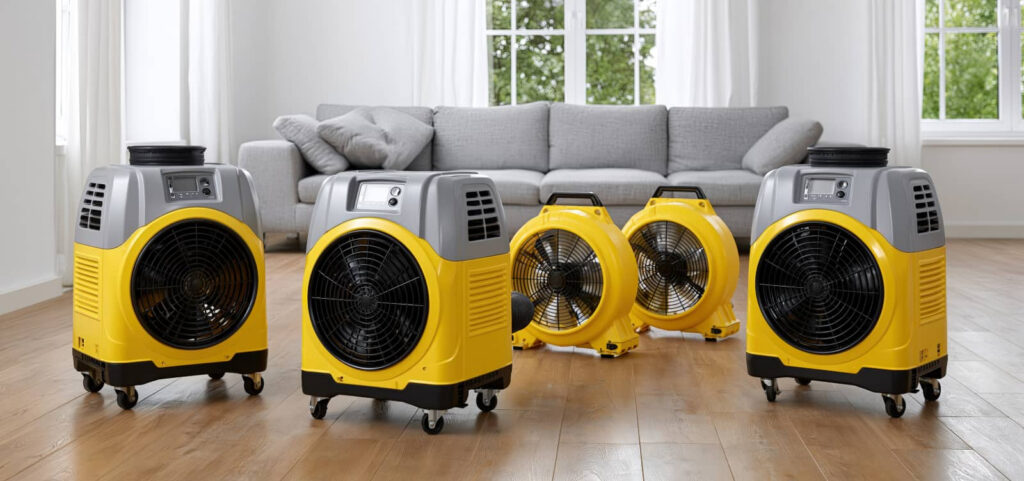
- Set up high-velocity air movers to drive evaporation.
- Use dehumidifiers to capture moisture from the air.
- Monitor readings in walls, floors, and cavities.
When you stay on top of drying, you protect structure, reduce risk, and keep your space ready for recovery.
Common Mistakes to Avoid
When water extraction starts, you need to avoid delays, incomplete removal, and poor containment, because each one lets moisture spread deeper into the structure.
Don’t keep walking through wet areas and tracking water into clean rooms. Don’t skip baseboards, wall cavities, and underlayment, where hidden saturation lingers.
Don’t use fans alone and assume the job’s done; air movement without extraction leaves trapped moisture behind. Don’t seal damp materials too early, or you’ll lock in odor, swelling, and microbial growth.
Don’t ignore readings from moisture meters, since surface dryness can hide wet framing.
Stay methodical, stay coordinated, and work like your property matters, because your team’s precision protects the whole space.
When to Call a Water Extraction Service
Call a water extraction service as soon as you see standing water, repeated leaks, or moisture spreading beyond the source.
You need rapid response because water migrates into subfloors, wall cavities, and insulation within minutes. If you smell musty air, notice warped flooring, or see staining, act now—your team will help you protect what matters and keep your space safe.
- Floodwater enters any room
- A pipe bursts or supply line fails
- Drying hasn’t started within 24 hours
Don’t wait for visible damage to worsen.
Call when humidity stays high, surfaces stay damp, or cleanup tools can’t keep up. Fast extraction lowers mold risk, limits structural loss, and gets your property back under control with less disruption.
Frequently Asked Questions
How Long Does Water Extraction Usually Take?
Usually, you’ll need 1–3 hours for water extraction, depending on damage size, access, and equipment. Act fast, and you’ll protect your space, reduce repairs, and stay with the crew through recovery.
Does Homeowners Insurance Cover Water Extraction Costs?
Yes, your homeowners policy often covers water extraction if a sudden, accidental event caused the damage. You’ll need to review exclusions, document losses, and call your insurer fast to protect coverage and speed claims.
Can I Stay in My Home During the Process?
You can sometimes stay, but only if the affected areas are isolated, power stays safe, and technicians clear hazards. You’ll need to relocate if contamination, structural damage, or equipment noise makes the home unsafe.
What Equipment Do Professionals Use for Extraction?
You’ll see a fleet of extractors: truck-mounted vacuums, portable pumps, wet vacs, and weighted wands, like a rescue crew draining a sinking ship. They pull water fast, protect your home, and help you stay included in recovery.
How Can I Prevent Future Water Damage?
You can prevent future water damage by inspecting plumbing, sealing leaks, cleaning gutters, grading soil away from foundations, and maintaining sump pumps. Act fast on moisture, and you’ll protect your home and community.
Conclusion
When water hits your property, you need to act fast. You’ve seen how extraction stops damage, protects floors and walls, and reduces mold risk. Don’t wait for seepage to spread or repairs to snowball. Call a water extraction service as soon as you spot standing water, damp materials, or musty odors. Quick response keeps small problems from becoming major losses, and in restoration, time’s truly money.