
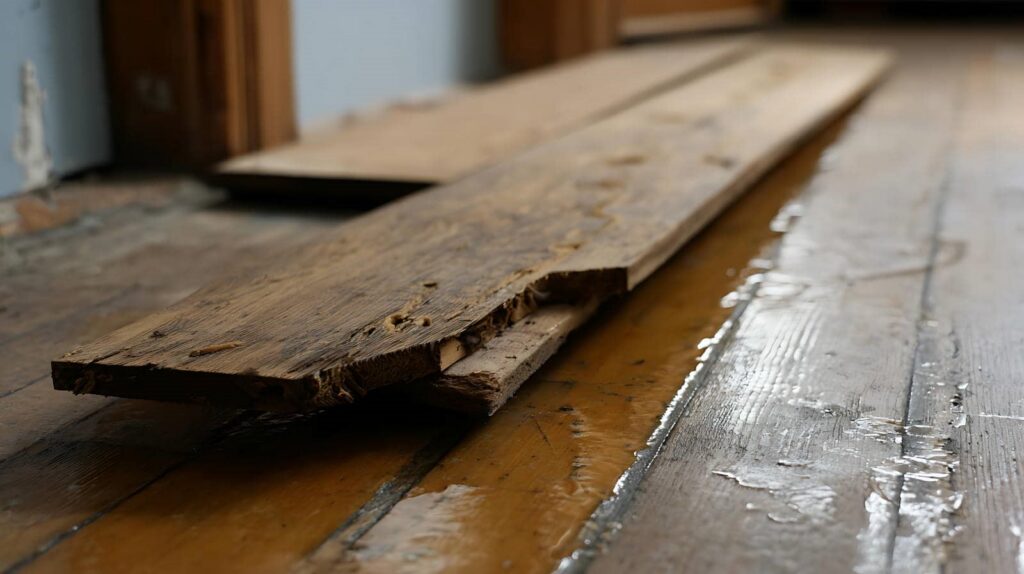
When emergency water damage hits your commercial building, you need to act fast or risk bigger losses, longer downtime, and safety issues. You’ll need to stop the source, assess the spread, and isolate affected areas before moisture moves deeper into walls, floors, and equipment. The first decisions you make can determine how much you save, how quickly you recover, and what problems surface next.
Key Takeaways
- Shut off the water source, isolate the area, and alert facility staff immediately to limit damage and hazards.
- Remove standing water, saturated materials, and damaged contents quickly using proper extraction and containment methods.
- Inspect hidden spaces with moisture meters and thermal imaging to find trapped moisture behind walls, floors, and HVAC returns.
- Deploy dehumidifiers and air movers, then monitor drying until moisture levels return to normal.
- Document damage, communicate updates, and verify safety before reopening affected areas in stages.
What to Do First After Commercial Water Damage?
First, you should shut off the water source if it’s safe to do so, then isolate the affected area to limit spread and damage.
Next, you should notify your facility team and document visible conditions with photos for records.
In emergency water damage in commercial buildings, you’ll need to protect electronics, inventory, and critical documents by moving them to a dry, secure zone.
You should also alert building occupants and restrict access to reduce slip hazards and cross-contamination.
If standing water remains, you can begin extracting it with appropriate equipment while wearing PPE.
Acting quickly helps your team stay coordinated, preserve assets, and keep recovery on track.
Clear communication and fast action will help you protect your space and support everyone who relies on it.
Stop The Source And Protect The Building
You should shut off the water source immediately to stop further intrusion and limit structural impact.
Then you need to secure the affected areas by restricting access and isolating exposed equipment, inventory, and electrical components.
These actions help stabilize the site and reduce the risk of additional damage while you plan the next response steps.
Shut Off Water Source
Immediately shut off the water source to stop further intrusion and limit damage to the building.
You should locate the nearest supply valve, main shutoff, or dedicated control for the affected zone, then turn it fully closed.
If the source is tied to plumbing, HVAC, or fire suppression equipment, follow site procedures and contact qualified personnel right away.
Verify that water flow has stopped by checking fixtures, meters, and visible leak points.
Keep your team informed so everyone responds with one plan and avoids reopening the line.
If you can’t isolate the source safely, escalate to building management or emergency services.
Fast action helps protect operations, reduces structural exposure, and keeps your crew aligned during a high-pressure event.
Secure Affected Areas
Once you’ve stopped the water source, secure the affected area to protect people, equipment, and building systems. You should restrict access immediately with barriers, warning signs, and lockouts where needed.
If water has reached electrical panels, server rooms, or mechanical spaces, keep everyone clear until qualified personnel verify safety. Move employees away from slip hazards and isolate damaged furniture, inventory, and documents to prevent further loss.
You’ll also want to protect intact assets by covering them with plastic sheeting and elevating items off wet floors. Coordinate with building security, facilities staff, and your restoration team so everyone follows the same access plan.
Clear communication helps your team stay aligned, reduce risk, and keep operations under control while you prepare for extraction, drying, and repairs.
Assess Damage Across The Building
A building-wide assessment helps identify the full extent of water intrusion before repairs begin.
You should inspect every floor, corridor, mechanical room, and tenant space for visible staining, swelling, warping, and microbial growth. Check ceilings, walls, baseboards, insulation, flooring, and cabinetry, because moisture often migrates beyond the original leak point.
Document affected areas with photos, notes, and room-by-room status logs so your team can coordinate quickly and stay aligned. Use moisture meters and thermal imaging to verify hidden saturation in materials and assemblies.
Compare findings across zones to prioritize critical operations, occupied spaces, and shared systems. This disciplined survey gives your crew a shared picture of the damage, reduces missed issues, and supports faster, safer recovery throughout the building.
Extract Water Fast To Reduce Downtime
With the damage mapped, you can move straight to water extraction to limit operational disruption. Deploy truck-mounted or portable extractors first, then use weighted wands on broad, open areas to pull standing water quickly.
In tighter spaces, use corner tools and sub-surface attachments to reach pooled water without delay. You’ll cut slip risk, protect occupied zones, and help your team stay on schedule.
Coordinate extraction by zone, starting with the highest-traffic and most mission-critical areas. Keep discharge routes clear and verify power safety before each pass.
As you remove water, monitor moisture readings so you can confirm progress and adjust equipment placement. Fast extraction doesn’t just speed recovery; it helps your building’s crew, vendors, and tenants stay aligned through the response.
Dry Walls, Floors, And Equipment
You should dry walls with targeted airflow and dehumidification to reduce trapped moisture and prevent secondary damage.
Remove floor moisture with extraction, air movers, and surface drying checks to keep materials from warping or degrading.
Recover equipment by isolating powered units, drying components quickly, and verifying safe operation before you return them to service.
Wall Drying Methods
Effective wall drying methods help stop moisture from spreading after commercial water damage, protecting drywall, flooring systems, and adjacent equipment.
You should inspect wall cavities, baseboards, and trim, then remove wet insulation and open access points where needed.
Position low-grain refrigerant dehumidifiers and directed air movers to create steady airflow across affected wall surfaces. You’ll get better results when you monitor moisture with a meter and adjust equipment until readings stabilize.
If you have metal studs, check for condensation and dry those channels fully. Protect wiring, outlets, and fixtures while you work, and coordinate with facility teams so you can maintain safe access.
When you dry walls promptly, you support faster recovery and help your team restore the space with confidence.
Floor Moisture Removal
After standing water is extracted, remove surface moisture from concrete, tile, carpet backing, and subfloors to limit wicking and secondary damage.
You should use air movers to sweep moisture off low surfaces and drive evaporation across the entire affected area. Position dehumidifiers to capture released vapor and maintain stable drying conditions.
Check seams, edges, and penetrations first, because hidden moisture often lingers there. If carpet remains in place, lift corners and expose the backing so air can reach trapped dampness.
Monitor moisture levels with a calibrated meter, and keep drying until readings match unaffected areas.
Equipment Recovery Steps
Start equipment recovery by isolating wet assets, documenting damage, and moving portable items to a clean, dry staging area.
You should then assign each item a status so your team can work together with clear priorities.
Dry walls and floors with controlled airflow, dehumidifiers, and moisture checks until readings meet target levels. Protect electrical equipment from re-energizing until you verify safety.
- Label affected assets.
- Clean surfaces and remove residue.
- Dry components with monitored air movement.
- Test, repair, and return equipment.
You’ll reduce corrosion, mold growth, and downtime when you keep records and follow a consistent recovery sequence.
Coordinate with maintenance, IT, and safety staff so everyone stays aligned and your facility returns to service faster.
Prevent Mold After Commercial Water Damage
Moisture control is critical when you’re dealing with commercial water damage, because mold can begin developing quickly in damp materials and hidden cavities.
You should identify wet zones immediately, then remove standing water, saturated drywall, insulation, and ceiling tiles. Use containment to limit spread, and run dehumidifiers and air movers to drive humidity down.
Inspect behind walls, under flooring, and inside HVAC returns, where trapped moisture often lingers. Clean hard surfaces with approved antimicrobial products, and discard porous materials that can’t be fully dried.
Monitor moisture levels until they return to normal. When you act as a team and follow a disciplined drying plan, you reduce health risks, protect building assets, and keep your facility prepared for the next step.
Restore Operations And Reopen Sooner
Once the affected areas are dry and sanitized, you can shift from cleanup to operational recovery by verifying safety, documenting losses, and clearing spaces for reoccupancy.
You’ll restore service faster when you coordinate with facility staff, vendors, and insurers as one team.
- Inspect electrical, HVAC, and fire systems before you energize equipment.
- Inventory damaged assets, file photos, and track replacement costs.
- Reinstall critical furnishings, data gear, and inventory in priority zones.
- Test utilities, network access, and workflow paths before staff return.
You should reopen in stages, starting with low-risk areas and essential functions. That approach limits disruption, supports compliance, and builds confidence across your team.
Keep occupants informed with clear updates, and confirm that dry conditions hold before full occupancy.
Frequently Asked Questions
How Much Does Commercial Water Damage Cleanup Usually Cost?
You’ll usually pay $3 to $10 per square foot, but severity, materials, and drying needs can push costs higher. You should get a rapid inspection, since faster action often lowers total cleanup expenses.
Will Insurance Cover Emergency Water Damage Restoration?
Usually, yes—if your policy covers sudden, accidental loss. One claims adjuster once said, “your policy is a net, not a guarantee.” You’ll need prompt reporting, photos, mitigation receipts, and policy review to confirm coverage.
How Long Does Commercial Drying Typically Take?
You’ll usually dry commercial spaces in 3-5 days, but saturation, materials, and airflow change that. You’ll speed things up with dehumidifiers, movers, and monitoring, helping your team stay connected and operational.
Can Business Operations Continue During Restoration?
Yes, you can often keep operating if you isolate affected zones, control moisture, and coordinate phased restoration. You’ll need safety checks, temporary barriers, and flexible scheduling so your team stays productive and protected.
When Should Specialized Electronics Be Professionally Inspected?
You should have specialized electronics inspected immediately after any water exposure; a single day can raise corrosion risk. Like a flood check on a plane’s avionics, you’ll protect your team, data, and uptime.
Summary
When emergency water damage hits your commercial building, you need to act fast, stay organized, and keep communication clear. By stopping the source, evaluating the full impact, extracting water, and drying affected materials, you limit disruption and protect your assets. If you prevent mold and restore conditions methodically, you can reopen sooner and reduce losses. In recovery, time is money, and every minute you save helps your business get back on its feet.