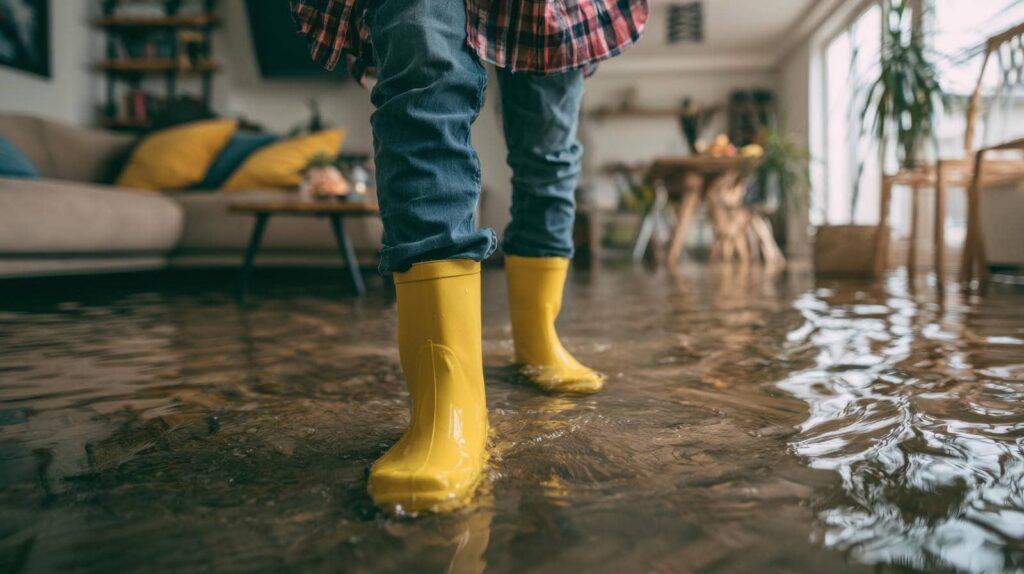
When water starts pooling in your home or business, you need a fast, methodical response to limit damage and control moisture before it spreads. You’ll want to know what professional water removal services actually cover, how crews extract standing water, and why drying every affected surface matters. The first few hours can determine whether you’re dealing with a simple cleanup or a far costlier restoration.
Key Takeaways
- Water removal services quickly extract standing water from homes and businesses to limit structural damage and contamination.
- Professionals use pumps, vacuums, truck-mounted extractors, air movers, and dehumidifiers for thorough water removal and drying.
- Immediate response is critical because moisture can spread, damage materials, and trigger mold growth within days.
- Technicians inspect affected areas, map hidden moisture, sanitize surfaces, and monitor drying progress to protect indoor air quality.
- Delayed water removal increases repair costs, safety risks, and the chance of hidden damage in walls, flooring, and framing.
What Water Removal Services Cover
Water removal services typically cover one critical task: extracting standing water quickly to limit structural and material damage.
You can expect technicians to assess the affected area, set containment, and use pumps, vacuums, and truck-mounted extractors to remove water from floors, carpets, crawl spaces, and basements.
They’ll also begin targeted drying with air movers and dehumidifiers to reduce moisture in framing, drywall, and subfloors.
In many cases, water removal services include moisture mapping, sanitizing exposed surfaces, and monitoring drying progress so you know the job’s moving in the right direction.
When you work with a qualified team, you’re not handling this alone—you’re protecting your property with a methodical process built to restore safe, usable conditions fast for your home or business.
Signs You Need Water Removal Fast
If you see standing water, a sudden spike in humidity, or damp spots spreading across floors, walls, or ceilings, you need water removal fast.
You may also notice musty odors, warped trim, bubbling paint, or soft drywall that gives when you press it.
Dark stains around baseboards, soggy carpet padding, and pools near appliances signal active intrusion, not cosmetic wear.
If your space feels warmer, heavier, or clammy, moisture is building behind surfaces.
In homes and businesses, delay lets water migrate into framing, insulation, and subfloors, increasing repair scope and mold risk.
Trust your team’s judgment: when visible moisture keeps expanding, call for immediate extraction so you can protect your property and restore safe conditions.
What to Do Before the Crew Arrives
Before the crew arrives, shut off the source of water if you can do so safely, and move people, pets, and valuables out of the affected area.
Next, cut power to wet rooms at the breaker if you can reach it without stepping in water. Avoid electrical panels, outlets, and cords if moisture is present.
Take quick photos of affected rooms for your records, then clear walkways so technicians can access the site fast.
If you belong to a building team, alert the supervisor or property manager right away.
Keep the area closed off and limit foot traffic. You’re helping the crew work efficiently when they arrive, and that preparation can reduce cleanup time, protect belongings, and support a smoother restoration process for everyone involved.
Water Removal For Homes And Businesses
Homes and businesses need fast water removal to limit structural damage, mold growth, and loss of contents. You protect your property when you act quickly, because standing water can weaken flooring, saturate drywall, and spread contaminants through occupied areas.
In a home, you may need to safeguard bedrooms, kitchens, and finished basements; in a business, you also need to reduce downtime, protect inventory, and keep staff and customers safe. You should contact a trusted water removal team as soon as you notice pooling, seepage, or rising moisture.
A prompt response helps you stay in control and feel confident during a stressful event. With the right service, you restore order faster and give your space the best chance for a safe recovery.
How Professionals Remove Standing Water
Professionals remove standing water with high-capacity extraction equipment, such as wet vacuums and truck-mounted pumps, to clear affected areas fast.
They then use air movers and dehumidifiers to reduce moisture in walls, floors, and hidden cavities. This process helps you limit structural damage and lower the risk of mold growth.
Water Extraction Methods
Standing water gets removed with specialized extraction equipment that pulls moisture out quickly and limits further damage.
You’ll usually see truck-mounted vacuums, portable extractors, and weighted wands used in targeted passes across floors, carpets, and structural cavities. Technicians start by mapping the water level, then choose the tool that matches the surface and depth.
They work edge to center, so they don’t spread contamination or force water deeper into materials. When needed, they open access points to reach trapped water under padding or within low spots.
This method helps you regain control fast and keeps your space safer for your family or team. You’re not dealing with guesswork; you’re getting a measured process that removes water efficiently and prepares the property for the next recovery step.
Drying And Dehumidification
Once bulk water’s been extracted, drying and dehumidification take over to pull hidden moisture out of materials before it can cause warping, mold growth, or structural deterioration.
You’ll see technicians place air movers to create rapid surface evaporation, then position refrigerant or desiccant dehumidifiers to capture that vapor.
They’ll monitor moisture in drywall, framing, flooring, and insulation with meters, adjusting equipment until readings return to safe levels.
This matters because trapped humidity can linger behind walls and under subfloors even when surfaces look dry.
You’re not just restoring comfort; you’re protecting your building’s structure and indoor air quality.
With a disciplined drying plan, you stay in control, reduce secondary damage, and get back to a healthier space faster, together.
Drying Out Floors, Walls, And Carpets
After the water’s out, you need to dry floors, walls, and carpets quickly to limit warping, swelling, mold growth, and hidden structural damage.
You should lift carpets, pull back padding, and expose subfloors so air can reach every layer. Use high-velocity fans to move air across surfaces, and place dehumidifiers nearby to remove moisture from the room.
For walls, remove baseboards and check insulation, since wet cavities trap dampness.
Hardwood floors need careful airflow and stable temperatures to avoid cupping or cracking. If you’re in a business or home, you want the same result: materials that dry evenly and stay sound.
Check moisture levels with a meter, and keep drying until readings match unaffected areas.
Why Waiting Makes Water Damage Worse
The longer you wait after water intrusion, the more damage it can cause to your property.
Moisture keeps moving through drywall, subfloors, insulation, and framing, so the affected area grows even when the visible water seems gone. Within hours, materials swell, warp, and lose strength.
Within days, microbial growth can spread, adding odors and health concerns. Electrical systems, finishes, and stored items can also deteriorate faster as humidity stays elevated.
You need prompt water removal to limit structural decay and secondary loss. Acting quickly helps you protect the space you share, preserve value, and get back to normal with less disruption.
The sooner you respond, the more control you keep over costs, cleanup, and recovery.
Choosing the Right Water Removal Service
Choosing the right water removal service starts with fast response, proven drying methods, and technicians who can assess both visible water and hidden moisture.
You should look for trained crews who use extraction pumps, air movers, dehumidifiers, and moisture meters to document conditions and track drying.
Ask whether they provide a clear scope, communicate each step, and work with your insurer when needed. A solid team protects your property, explains risks in plain language, and helps you feel confident through the process.
You’ll want a company that treats your home or business like part of its own community, with respect for your space and timeline.
Choose one with strong local reviews, proper licensing, and experience handling materials like drywall, flooring, and insulation.
When To Call For Emergency Water Removal
When water starts spreading beyond a small, contained area, you should call for emergency water removal right away.
If you see soaked drywall, pooling around baseboards, or water creeping under flooring, act fast. You also need immediate help when flooding follows a burst pipe, appliance failure, storm surge, or sewer backup.
Delays let moisture move into framing, insulation, and electrical systems, raising repair costs and safety risks. A professional crew can extract water, meter hidden moisture, and start drying before mold takes hold.
If you’re protecting your home or business, trust your team to respond quickly and work with you. When the damage is active, every minute matters, and timely service helps you stay in control.
Frequently Asked Questions
How Much Do Water Removal Services Typically Cost?
You’ll typically pay $500 to $3,000, depending on water depth, affected area, and drying needs. You can expect emergency calls, equipment rental, and cleanup to raise costs, so act quickly to limit damage.
Will My Insurance Cover Water Removal and Cleanup?
Usually, yes—if you’ve got sudden, accidental water damage. Your policy may cover extraction, drying, and cleanup, but not flooding or neglect. Check your deductible, document everything, and call your insurer right away.
How Long Does the Water Removal Process Usually Take?
You’ll usually see water removal take a few hours to a day, depending on volume, access, and drying needs. You can speed things up by calling immediately, removing obstacles, and keeping affected areas clear.
Can Water Removal Services Handle Sewage Backups?
Yes, you can; trained crews remove sewage backups, disinfect affected areas, and restore safe conditions. Think of them as your property’s emergency shield. You’ll get practical, fast help that protects your space and community.
Are Water Removal Technicians Available on Weekends?
Yes, you can usually reach water removal technicians on weekends, especially for emergencies. You’ll get faster response times because crews often rotate shifts, and they’ll assess damage, extract water, and start drying right away.
Final Thoughts
When water damage hits, you need to act fast. Professional water removal services help you protect your home or business by extracting standing water, drying materials, and reducing the risk of structural damage and mold. If you spot pooling water, damp surfaces, or musty odors, don’t wait. A quick response can save you time, money, and stress. Think of it like stopping a leak in a ship before it sinks.